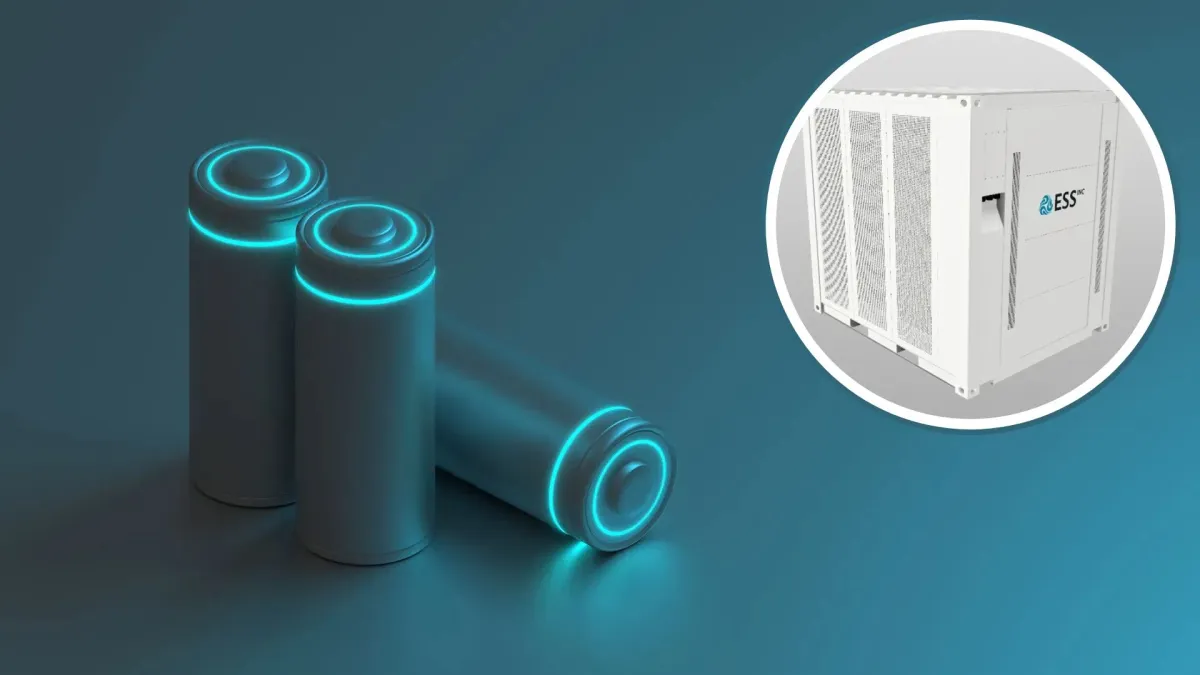
Remember when data centers just needed to keep the lights on? Now, with AI gobbling up power faster than a teenager with a family-sized bag of chips, things are a little different. Enter ESS, a US energy storage company, which just launched a new battery system called Bridge. It's modular, it's beefy, and here's the kicker: it runs on sodium-ion, not lithium.
Basically, it's a giant battery built for utilities, data centers, and anyone else who needs serious juice without the lithium drama. And by drama, we mean the scramble for critical minerals and the occasional thermal runaway (read: fire risk) that lithium-ion batteries can bring. ESS apparently saw over a billion dollars in early customer interest for these sodium-ion babies, which tells you everything about the demand for alternatives.
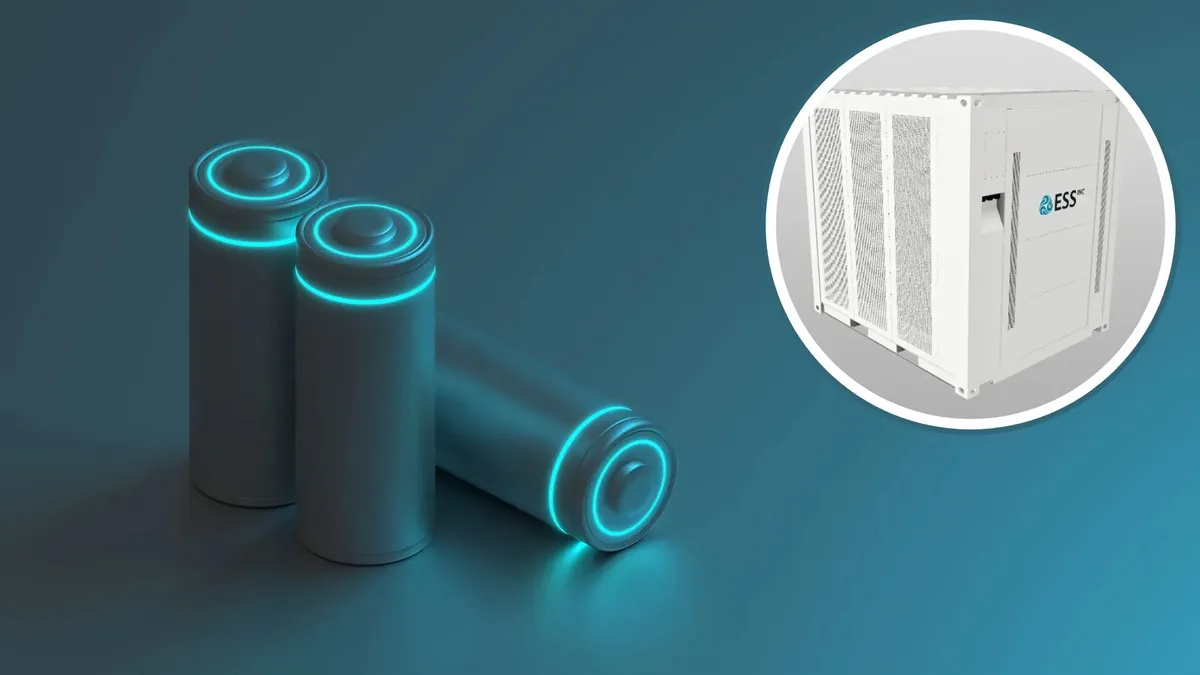
The Salt-Powered Solution
The Bridge system is a 1.2 MWh AC battery packed into a 10-foot container. Think of it as a power plant in a box. You can link a few of them together to hit 4.8 MWh in the same footprint as a standard 20-foot container. More power, same space. Because apparently, even batteries are feeling the squeeze.
We're a new kind of news feed.
Regular news is designed to drain you. We're a non-profit built to restore you. Every story we publish is scored for impact, progress, and hope.
Start Your News DetoxIt's also designed for the kind of plug-and-play simplicity that makes IT managers weep tears of joy. A heavy-duty forklift and some simple air cooling are all you need. No complex liquid cooling systems here, which means less to break and less to fuss over. And unlike its lithium cousins, this sodium-ion system is engineered to not spontaneously combust, which is always a plus when you're talking about powering critical infrastructure.
It's built to last 20 years, enduring temperatures from a frosty -40°F to a sizzling 122°F. Drew Buckley, CEO of ESS, noted that AI workloads are fundamentally changing what data centers need from energy storage. He believes sodium-ion is simply better equipped to handle these new demands than older tech. Which, if you think about it, is both impressive and slightly terrifying when you consider the sheer scale of AI's hunger.
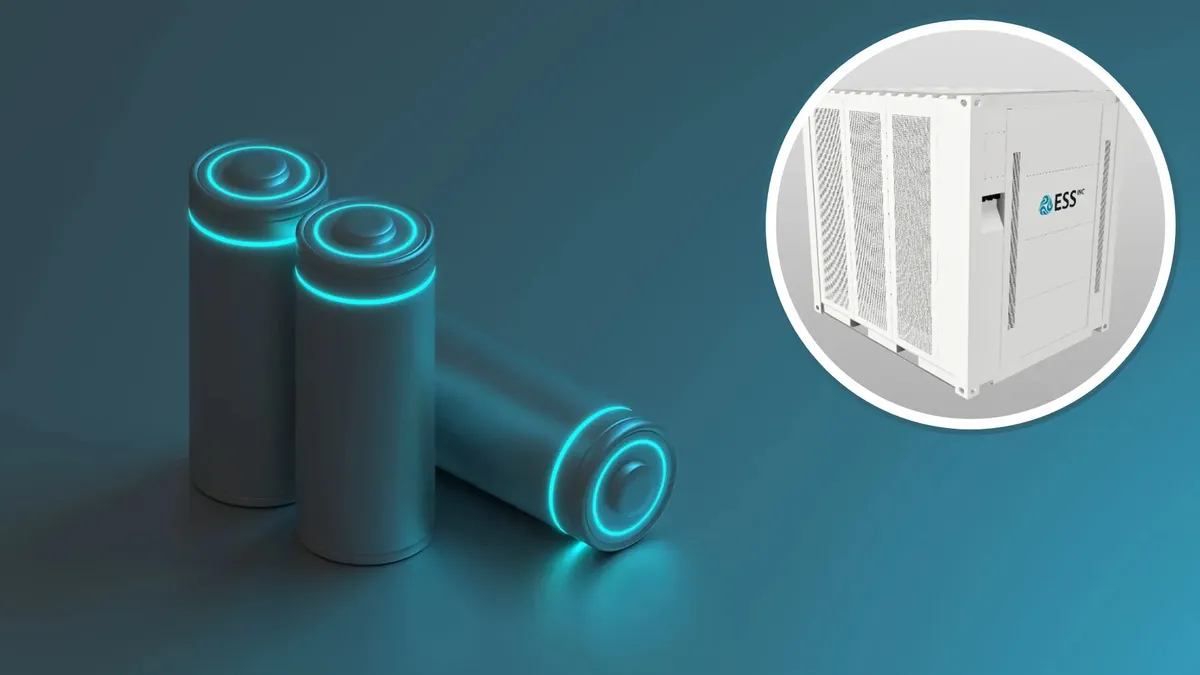
ESS is leaning hard into the fact that these batteries use common, widely available materials. No more global treasure hunts for obscure minerals. This move not only helps build a domestic supply chain for energy storage but also means customers aren't beholden to foreign entities for their battery fix. Because who doesn't love a bit of energy independence wrapped in a fire-resistant package that runs on, well, salt?
It's a pretty elegant solution to a very modern problem. And if that doesn't make you want to tell someone, we don't know what will.