
A new model of Bruce McLaren’s first road car, the M6GT from 1969, has been built by specialists. This cream-white two-seat coupe is only the fourth M6GT ever made. Its first public showing is a highlight at the Goodwood Festival of Speed in the UK.
The original M6GT was a supercar ahead of its time. It had a lightweight fiberglass and aluminum body and a tuned Chevy 5.7-liter V8 engine. It could go from 0 to 60 mph in just 4.2 seconds, making it the fastest accelerating road car of its era.
Rebuilding a Legacy
Reconstructing the M6GT using original molds and tools is more than just a marketing effort for McLaren. It holds deep emotional, historical, and technical meaning for the car world.
We're a new kind of news feed.
Regular news is designed to drain you. We're a non-profit built to restore you. Every story we publish is scored for impact, progress, and hope.
Start Your News DetoxThe M6GT was a passion project for Bruce McLaren. He used it as his daily car. After his tragic death in 1970 during a high-speed test at Goodwood, the M6 project stopped. By building this new, factory-certified fourth car, the modern company is symbolically finishing what its founder started.
For years, the 1992 McLaren F1 was seen as the start of McLaren's road car legacy. Rebuilding the M6GT reminds everyone that McLaren's core ideas began 25 years earlier. It connects Bruce McLaren's successful Can-Am racing program with the luxury supercars the company makes today.
A Meticulous Build
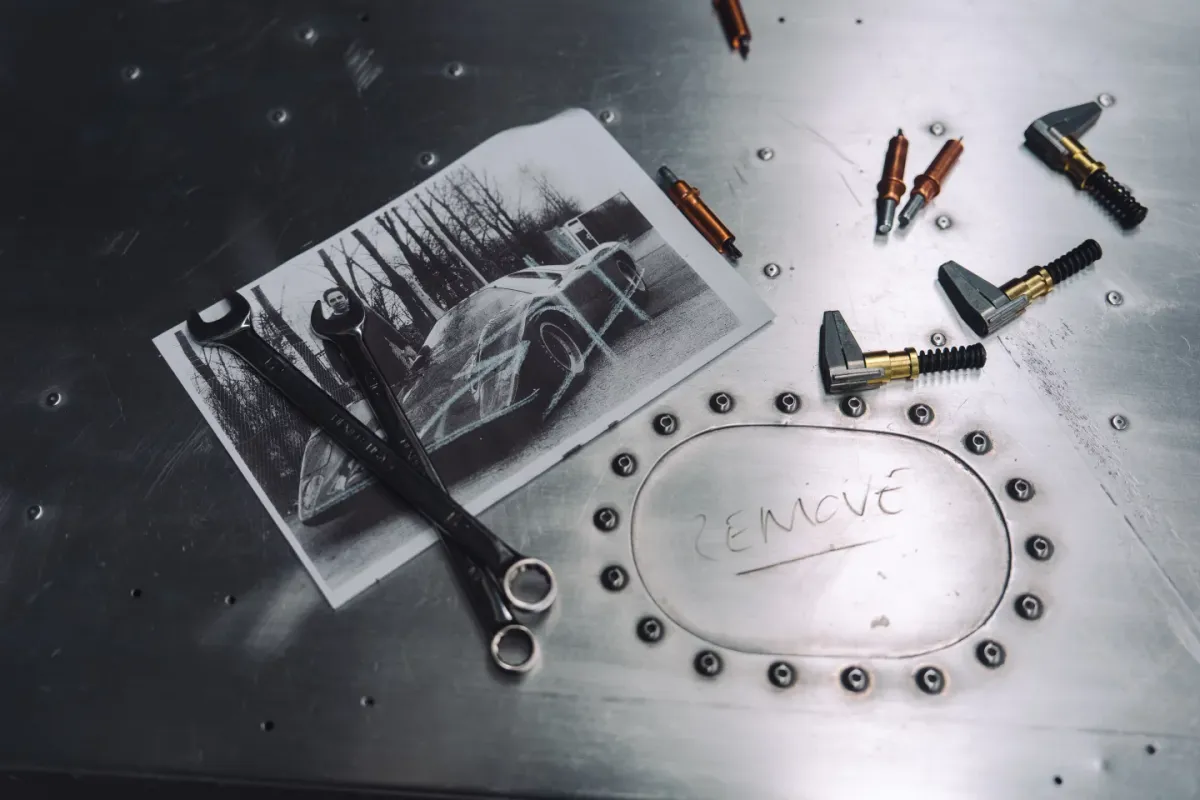
The 3,000-hour build process challenged modern engineers. They had to use old-school methods, like working with original, imperfect 1960s fiberglass body molds and hand-drawn plans. They even hired aerospace craftsmen to manually install period-correct aluminum dome rivets.
Every detail was made to be authentic. The gear knob is hand-turned solid walnut, matching the original. The racing seats are covered in custom period vinyl with green stitched heat-seam details. The unique windshield shape was recreated by a specialist supplier using scans of the original.
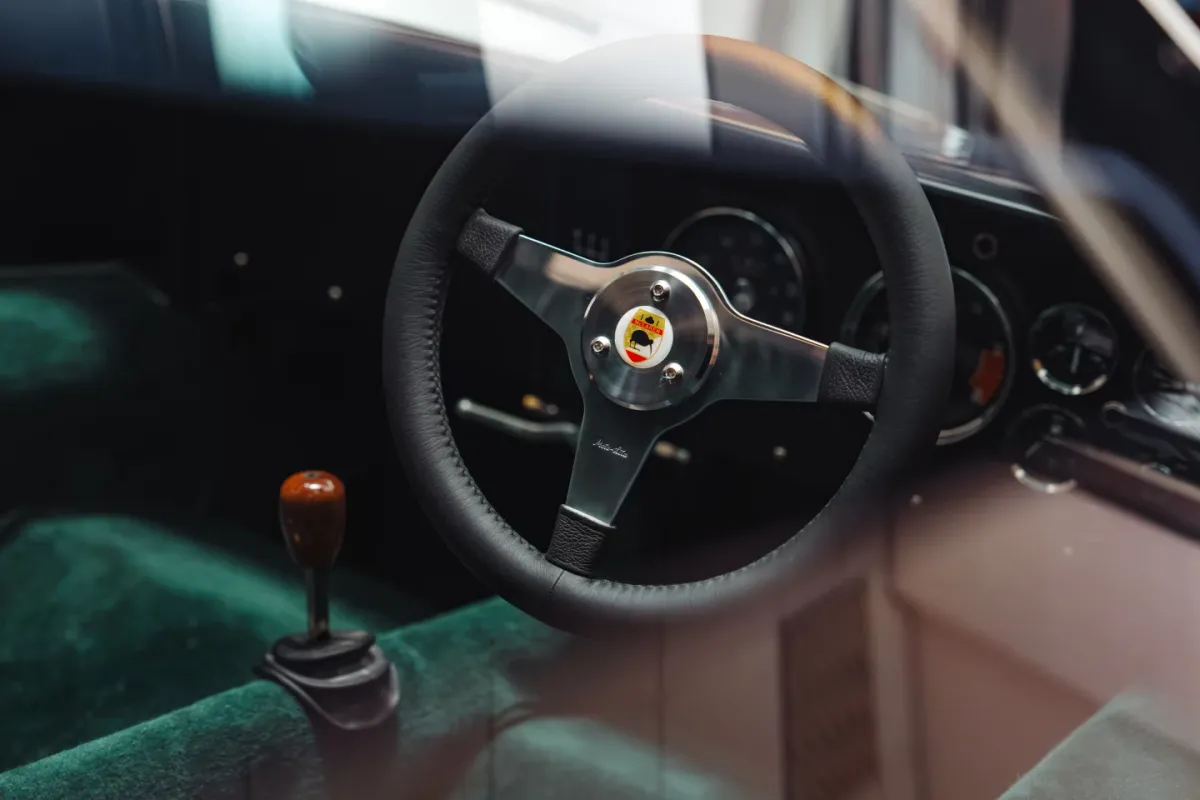
Jon Simms, a McLaren Director, called the process a "spiritual education." It taught the team how to innovate within the strict, lightweight limits of the 1960s.
The car's technical specifications are classic McLaren. It has a naturally aspirated, mid-mounted Chevrolet Small-Block V8 engine. Legendary race engine tuner Al Bartz modified the 5.7-liter unit to produce 370 bhp and a top speed of 165 mph.
The car features a race-derived aluminum frame riveted to steel bulkheads, with fiberglass body panels. It uses double wishbone suspension with coil-over dampers and an anti-roll bar at the front. The rear has twin trailing arms with double wishbones. Braking is handled by 12-inch Girling ventilated discs on all wheels.
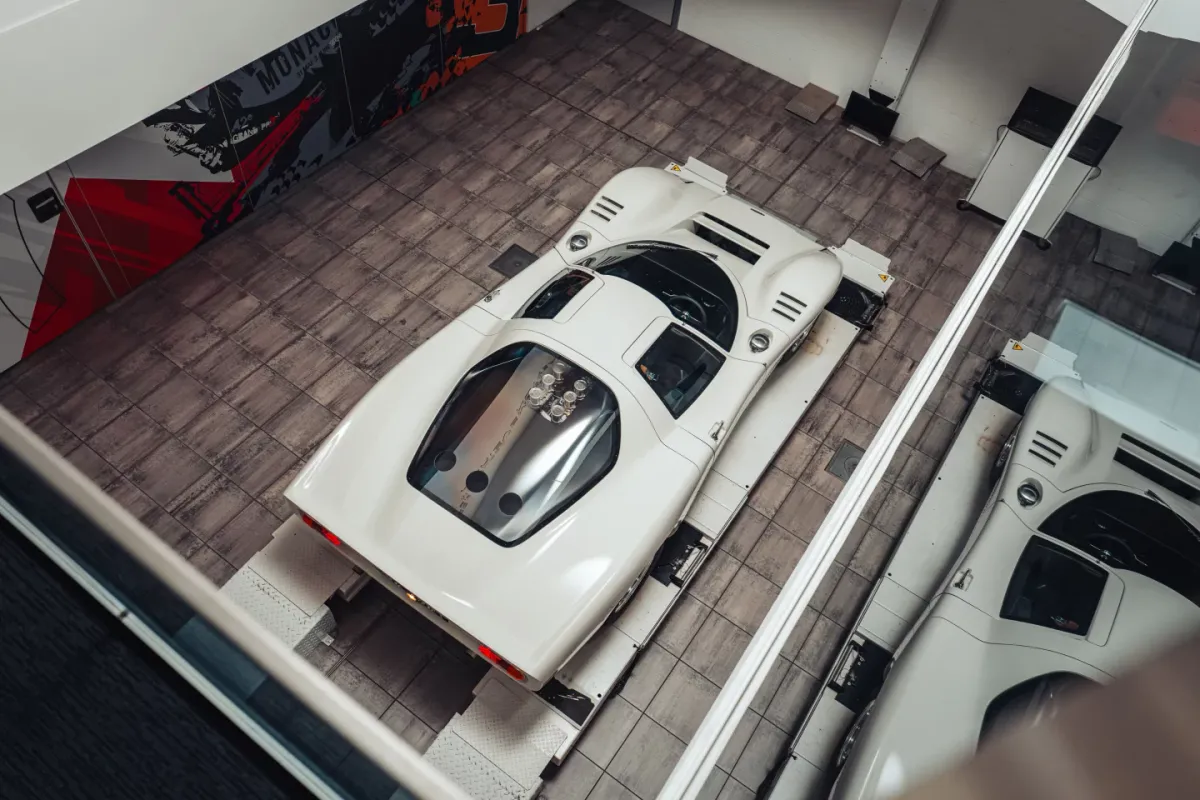
The M6GT was similar in size to Porsche or Ferrari models of its time, but much lighter. It weighed only 800 kg (1,764 lb), almost half the weight of a modern McLaren.
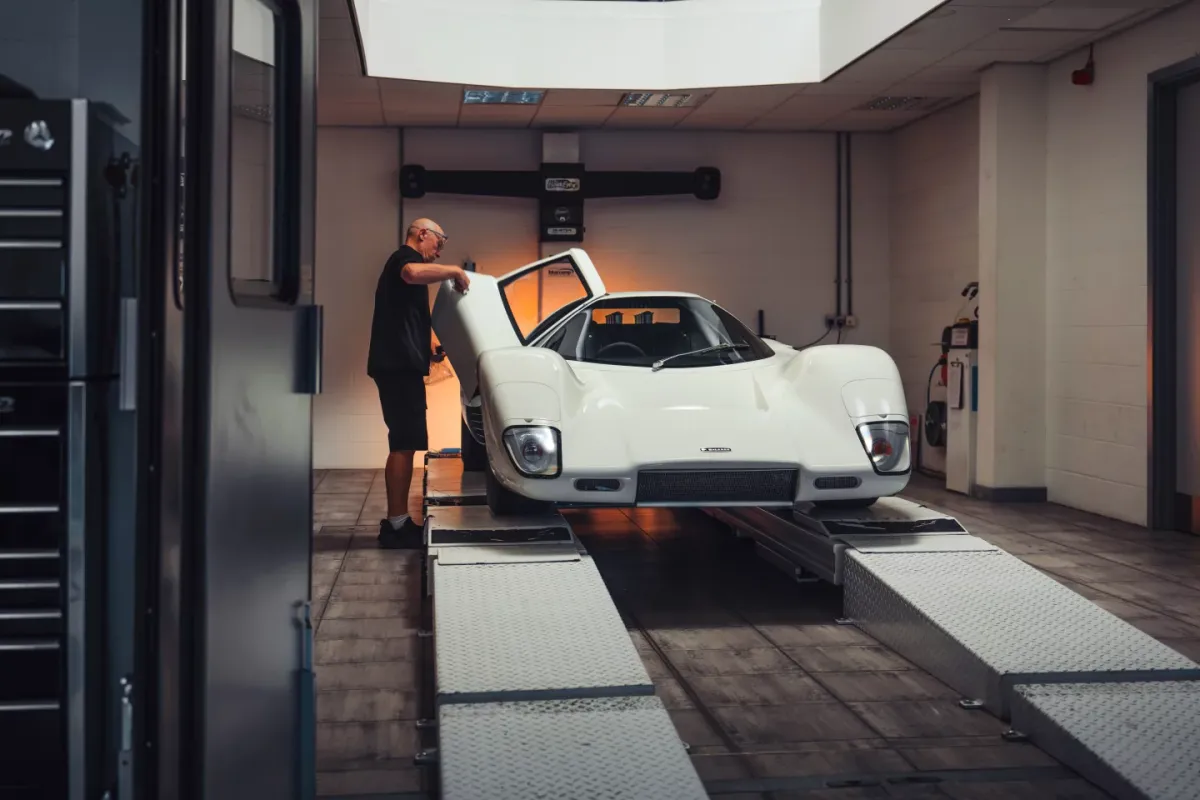
During the build, McLaren brought in original 1960s mechanics and designers who worked with Bruce McLaren. This led to emotional stories, like how a banana was once used to trace the curve of a body panel.
Bruce McLaren's Vision
Bruce McLaren was a legendary New Zealand racing driver, engineer, and designer. He was known as one of motorsport's most brilliant minds, succeeding as both a world-class driver and a visionary car builder.
As a child, he spent two years in bed due to illness. During this time, he became fascinated with how cars worked at his parents' service station. By age 15, he was racing modified Austins. At 22, he became the youngest Formula 1 Grand Prix winner, a record that stood for 40 years. In 1963, at 26, he founded Bruce McLaren Motor Racing. Today, it is a global racing and manufacturing empire worth billions.
Deep Dive & References: McLaren M6GT - McLaren Press, 2024