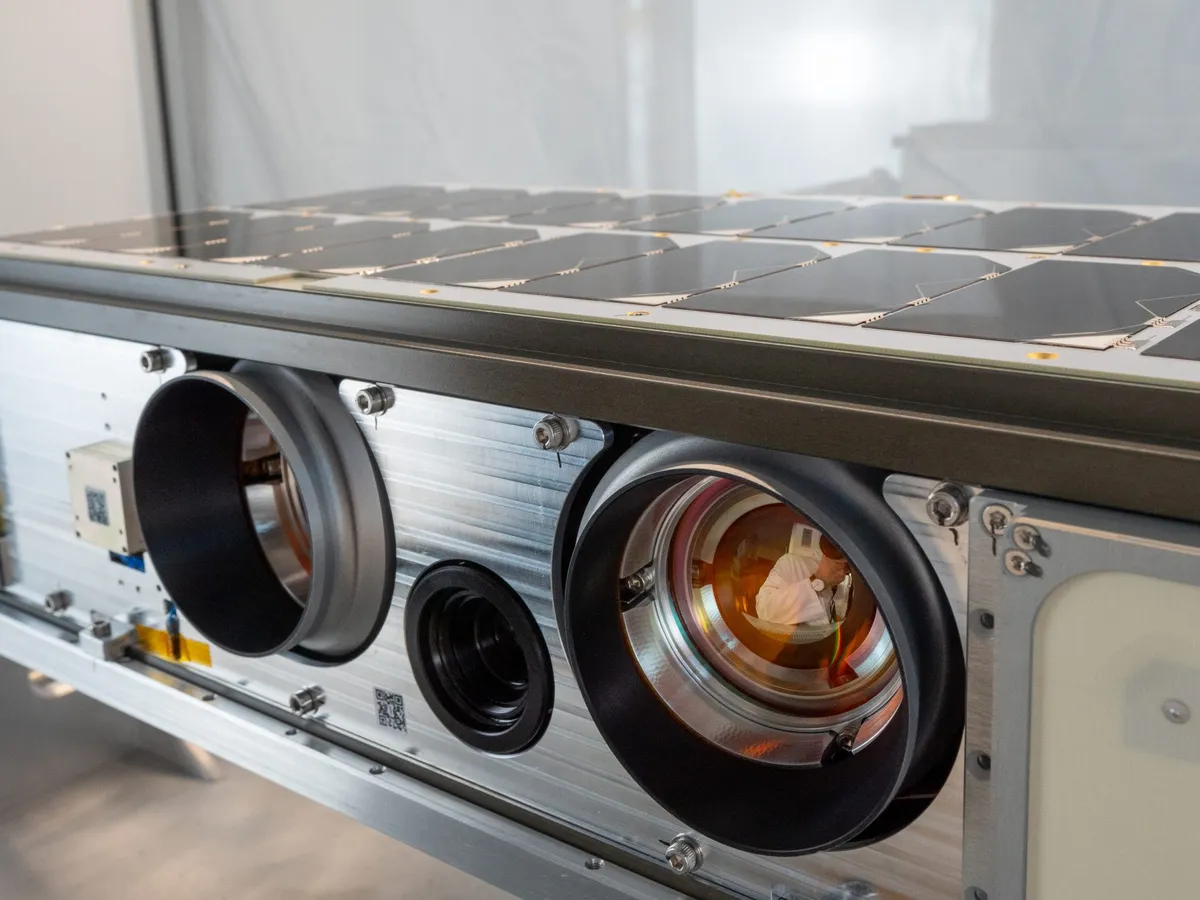
Greece, a country that knows a thing or two about summer wildfires, has just deployed a new weapon in the fight: a swarm of nanosatellites that can spot a blaze the size of a picnic blanket.
Yes, you read that right. These aren't your grandpa's clunky satellites that could only see a fire if it was roughly the size of a cruise ship. These new OroraTech wonders can pinpoint a four-meter-wide fire. Let that satisfyingly small number sink in.
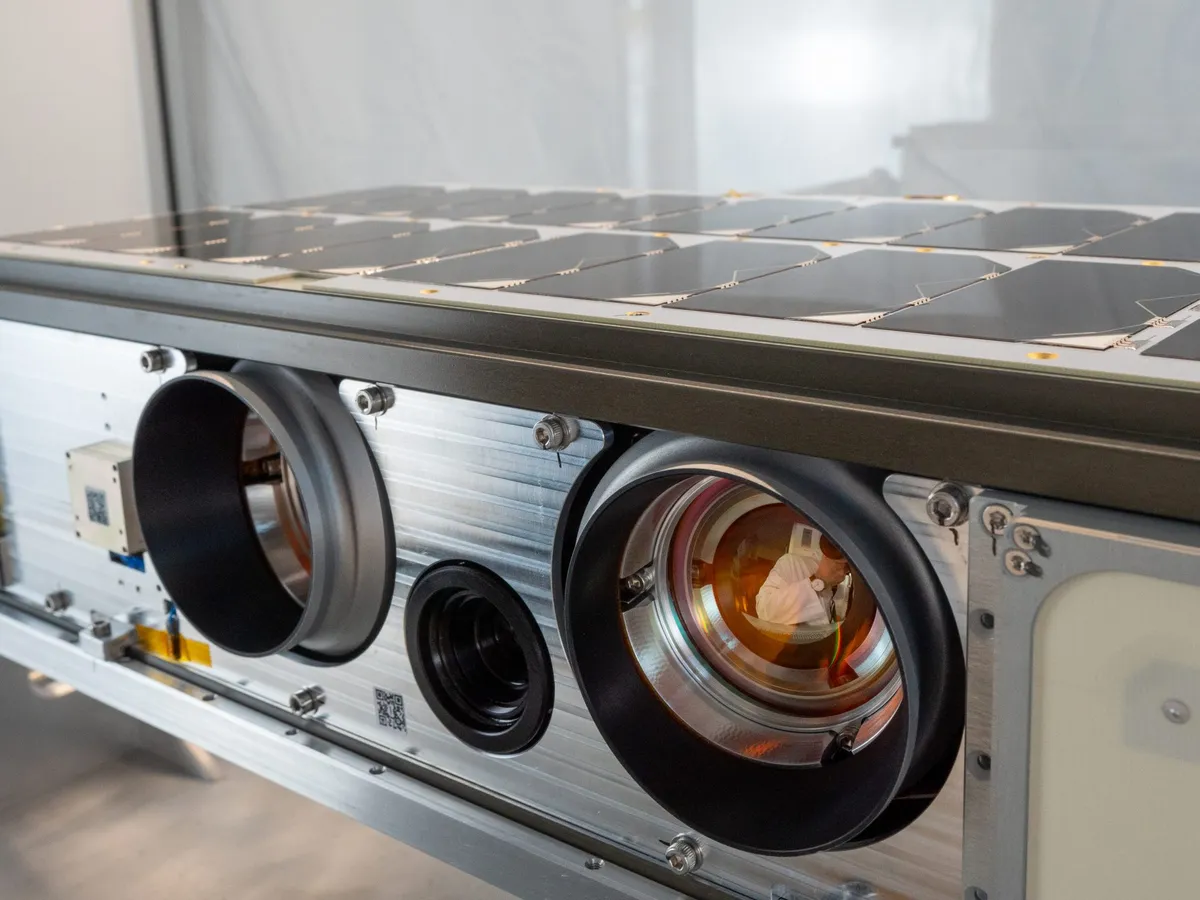
Greece is the first country to get its own dedicated wildfire-spotting constellation. Four of these pint-sized orbiters, each smaller than your average carry-on bag, launched into low Earth orbit in May. Their mission? To provide hourly updates, ensuring there are no sneaky gaps in coverage.
We're a new kind of news feed.
Regular news is designed to drain you. We're a non-profit built to restore you. Every story we publish is scored for impact, progress, and hope.
Start Your News DetoxHow Tiny Tech Saves Forests
Here’s how it works: each satellite snaps thermal images from space. These aren't just pretty pictures; they're packed with data that gets beamed down to an AI. This artificial intelligence then meticulously sifts through the thermal signatures, looking at patches as small as four by four meters.
And here’s the clever bit: the AI doesn't just see heat. It discerns between a genuine inferno and, say, a sun-baked rock or a particularly enthusiastic solar panel. Ioannis Lantouris, CEO of OroraTech, explains that once the AI confirms it's a real fire, all the crucial details — location, size, intensity — are sent directly to emergency teams.

But wait, there's more. Fire commanders can also use a tablet to predict where a fire might spread. They can even simulate how moving fire crews around might change the outcome. Because apparently, that's where we are now: playing SimCity with actual wildfires.
Fire Brigade Commander Zisoula Dasiou highlighted the hourly updates as a game-changer, especially for those remote, hard-to-reach areas. In a city, someone usually calls 911 when they see smoke. But deep in a national park or an isolated valley, a small spark can rage for hours before anyone even knows it's there. These satellites aim to catch those early, before they become front-page news.
Greece has endured some truly brutal wildfire seasons lately, making this new system incredibly timely. Dimitris Papastergiou, Greece’s Minister of Digital Governance, notes that these thermal-camera-equipped satellites will be invaluable during critical times. So, as summer heats up, Greece is looking to the heavens for a little help, courtesy of the European Union, which funded this orbital firefighting brigade.