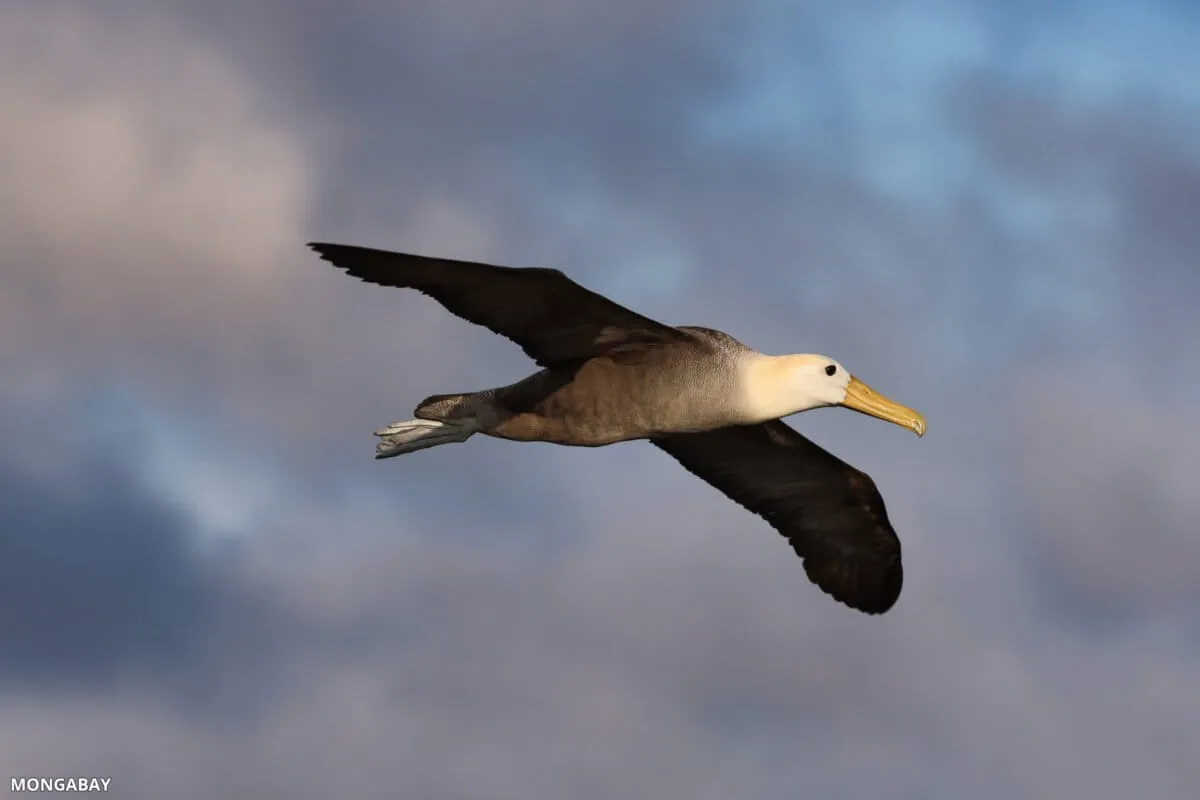
Migratory species face a unique challenge: they don't care about your borders. One day they're nesting in your national park, the next they're feasting in someone else's fishing grounds. This global game of ecological hot potato means inconsistent protection and, often, dwindling numbers. And when it comes to the ultimate border-crossers, seabirds are basically writing the textbook on how not to survive.
Nearly half of all migratory species are in decline, and our ocean-faring feathered friends are taking a particularly hard hit. They breed on remote islands, hunt in distant waters, and cross countless national zones, all while trying to avoid the various threats humanity has cooked up. Protecting them has been, to put it mildly, a logistical nightmare.

But here's a glimmer of hope from an unexpected place: the concept of 'flyways.' On land, these established migration superhighways have helped governments coordinate, focus research, and direct conservation funds, particularly for waterbirds. It turns out, knowing exactly where a species is going makes it a lot easier to protect them.
We're a new kind of news feed.
Regular news is designed to drain you. We're a non-profit built to restore you. Every story we publish is scored for impact, progress, and hope.
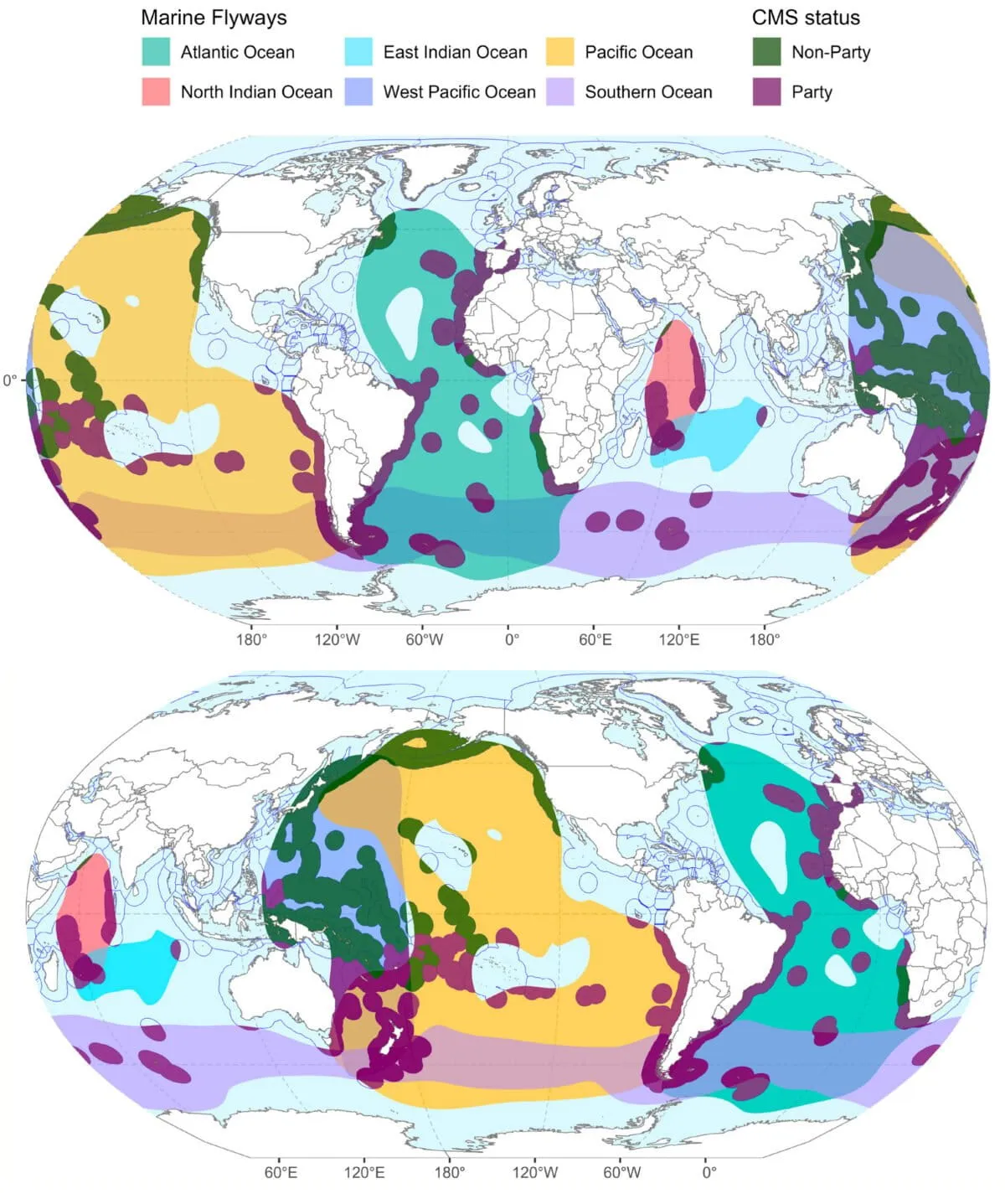
Start Your News DetoxNow, a new paper in the Journal of Applied Ecology suggests we take this terrestrial success story and apply it to the vast, watery expanse of the ocean. Because apparently, seabirds do have preferred routes, we just haven't been able to map them until now.
The secret? A major glow-up in tracking technology. Researchers from BirdLife International and the Royal Society for the Protection of Birds (RSPB) have been diligently following these long-distance ocean travelers, piecing together their epic journeys to finally chart these elusive marine flyways. Which, if you think about it, is both impressive and slightly terrifying for the birds. Their secret travel plans are officially out.