Sarah Jones never expected to be a farmer. She grew up in San Diego. But after moving to the San Luis Valley in south-central Colorado, she knew it was where she belonged. Her husband, Michael, comes from a family of farmers.
Jones Farm Organics is a fifth-generation farm. They primarily grow potatoes. The San Luis Valley is the second-largest potato-growing region in the U.S. In 2017, Sarah and Michael started growing grains to diversify their business. They also wanted to try rotational winter crops they could sell. Wheat varieties like Turkey Red and Red Fife didn't work well for them.
Then, Jones tried rye. Her father-in-law had been planting rye as a cover crop since the 1980s. It turned out rye was the perfect solution.
We're a new kind of news feed.
Regular news is designed to drain you. We're a non-profit built to restore you. Every story we publish is scored for impact, progress, and hope.
Start Your News DetoxRye Saves Water in an Alpine Desert
Rye uses much less water than other winter crops. Alfalfa needs 24 to 26 inches of water per acre. Barley needs 18 to 20 inches. Rye, however, only uses 10 to 12 inches per acre. This saves a lot of water across a typical 120-acre field.
Jones wondered if this could help the entire valley. She asked, "Could we convince farmers to grow more rye and less of these other crops?"
Neighbors were eager to join. In 2023, Jones and co-founder Heather Dutton launched the Rye Resurgence Project. Its goal is to get more farmers to grow rye and save water.
Water is scarce in the San Luis Valley. It's an alpine desert, sitting over 7,500 feet high. It gets only about seven inches of rain each year. This is much less than other parts of Colorado.
The water situation is even worse this year. Dutton, who manages the San Luis Valley Water Conservation District, said the snowpack is at 13% of its average. She noted, "We have to be that much more innovative to find these solutions where we can use even less water but still support our agriculture community."

Traditionally, farmers in the San Luis Valley harvest potatoes in the fall. Many leave the soil bare until spring. Others grow crops like alfalfa, which need a lot of water. Rob Jones, Michael's father, started planting rye to cover the soil in winter. This protected against erosion. But the rye wasn't making money.
In spring 2023, a dust storm hit the valley. Dust storms are common there in spring. This is due to changing temperatures and a stronger jet stream.
When the 2023 dust storm hit, the Joneses were already growing rye. They talked with Dutton about applying for a state grant. This grant would help other farmers try rye. Sarah Jones said, "It was working for us. Rye as a cover crop and a cash crop checked all the boxes for us."
Rebranding Rye and Building Local Food Systems
One challenge was finding buyers for the rye. Jones said they needed to "rehabilitate rye's reputation." She noted that rye does not taste like caraway seed.
Rye is a neutral grain. It works well in many baked goods, from brownies to pizza to bread. It also has less gluten and more fiber than wheat. The Rye Resurgence Project aims to find partners like bakeries, distilleries, and millers to buy and use rye.
Kris Gosar owns Gosar Natural Foods. His mill and sausage factory are near Monte Vista, Colorado. He produces both sausage and stone-ground flour.

Gosar's whole-grain flour supports the local food system. He buys grain from local farmers and mills it. His flour is used across southern Colorado and northern New Mexico.
Gosar explained that large mills often remove nutrients from wheat to make white flour. They also mill at high temperatures, which can destroy nutrients.
Many small towns once had local mills. Now, a few large companies control most milling. Stone-ground mills, which produce whole-grain flour, are rare.

Gosar is a fifth-generation farmer. His parents started the mill so they wouldn't have to drive far to sell grain. In the 1970s, they were among Colorado's first organic grain farms. Now, Gosar buys grain from local farmers, including Jones Farm Organics.
The Rye Resurgence Project also connects farmers to consumers. It encourages bakers and restaurants to use more rye. Tumbleweed Bread, a local San Luis Valley business, has taken on this challenge.
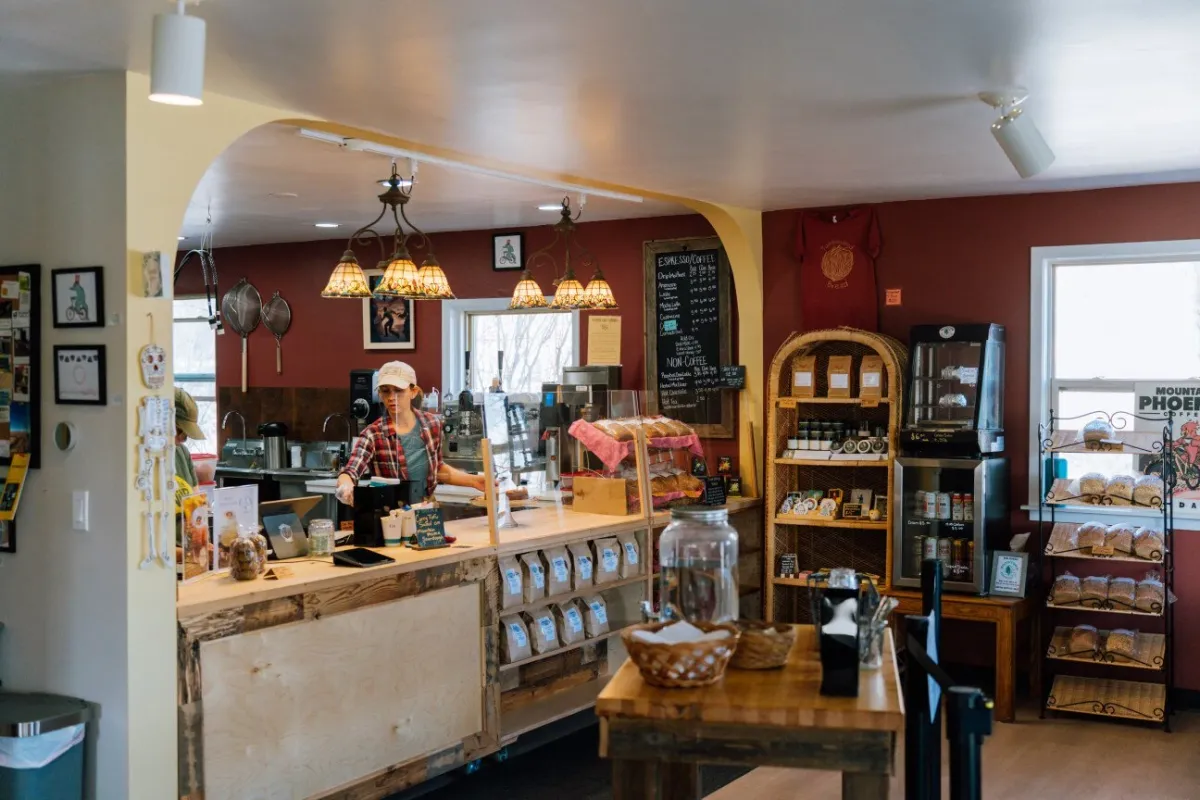
Jessica Larriva, Tumbleweed's owner, grew up in the valley. She learned to bake in Portland, Oregon. She moved back in 2017 and noticed a lack of bakeries. She started selling baked goods from her home. In March 2025, she opened a cafe in Monte Vista.

Tumbleweed Bread is one of over 100 partners of the Rye Resurgence Project. Sarah Jones sees these partners as key to rebranding rye and other whole grains. She wants people to see them as more than just "health food."
Jones compares it to coffee. People buy nice beans and grind them fresh. She asks, "Fifty percent of our calories in the U.S. are from grains. And so why not care more about it?" She emphasizes freshness, nutrition, growing methods, and gut impact.
Larriva cares deeply about her ingredients. She loves that baking with rye helps the local food system. She said, "We use rye in nearly all of our cookies. Rye is really a lovely grain for cookies." Her rye shortbread cookies, made with rye from Jones Farms Organics, are very tasty.

Future Growth and New Solutions
Jessica Larriva, whom Sarah Jones calls a "spokesperson for rye," and all the partners show the project's future. The initial goal was for 10 farms to grow 1,200 acres of rye and sell 300 acres.
Heather Dutton reported that farmers are now growing 3,000 to 5,000 acres of rye each year. The project has helped sell 771,409 pounds of rye. This was at an average of $0.62 per pound, exceeding initial targets. Farmers are joining just by seeing their neighbors succeed. Dutton said, "Exceeding the amount of money that farmers [were planning on] getting, the water savings that we had hoped for, the soil health goals, it feels really good." The next step is finding more businesses to buy the rye.
Dutton and Jones will keep looking for new partners and more farmers. They are also exploring other water-saving crops. They seek crops that need about 12 inches of water per acre, like rye. Quinoa and millet are strong possibilities.
The main challenge for these new grains is branding. Dutton joked, "We just don’t have a cool name like rye resurgence."