Remember when we thought food prices would eventually chill out? Apparently, the memo got lost. A new report from the International Panel of Experts on Sustainable Food Systems (IPES-Food) just dropped, and it's less than appetizing: global food prices are still a whopping 35% higher than pre-pandemic levels. And things might get worse, not better.
The usual suspects are to blame: ongoing conflicts, trade squabbles, aid cuts (because why help when you can hinder?), and energy shocks. All of which conspire to make your grocery bill an exercise in budgeting futility and generally disrupt the entire food supply chain. Because apparently that's where we are now.
Why Your Dinner Plate is a Geopolitical Chessboard
Turns out, relying on a few massive countries and corporations for most of the world's food is, shall we say, a fragile strategy. Shalmali Guttal, an IPES-Food Expert, points out that these long, winding supply chains aren't just vulnerable; they're inherently unfair. When a handful of players control the game, everyone else just pays the price.
We're a new kind of news feed.
Regular news is designed to drain you. We're a non-profit built to restore you. Every story we publish is scored for impact, progress, and hope.
Start Your News DetoxThe good news? Governments don't have to play this game. The report suggests a pivot to "resilient self-reliance." Think local markets, stronger support for farmers, and generally telling the volatile global market, "Thanks, but no thanks." Mamadou Goita, another expert, says the solutions already exist. He points to West Africa's regional food security reserve and success stories from India, Canada, and Norway. All we need, apparently, is the political will. Which, you know, is always the easy part.
From Fiji to India: Local Solutions Take Root
While the big picture is a bit grim, some places are actually doing something about it. Fiji, for example, just launched its National Organic Policy 2026-2030. It's not just about growing organic carrots; it's an "economic resilience strategy, an environmental safeguard, and a public health investment," according to Minister Tomasi Tunabuna. Basically, when fuel and fertilizer prices spike, growing your own organic produce suddenly looks less like a hippie dream and more like solid financial planning. Plus, it’s good for the soil and helps Fiji boost exports like turmeric and ginger. Resilience over dependency — a concept that sounds pretty good right about now.
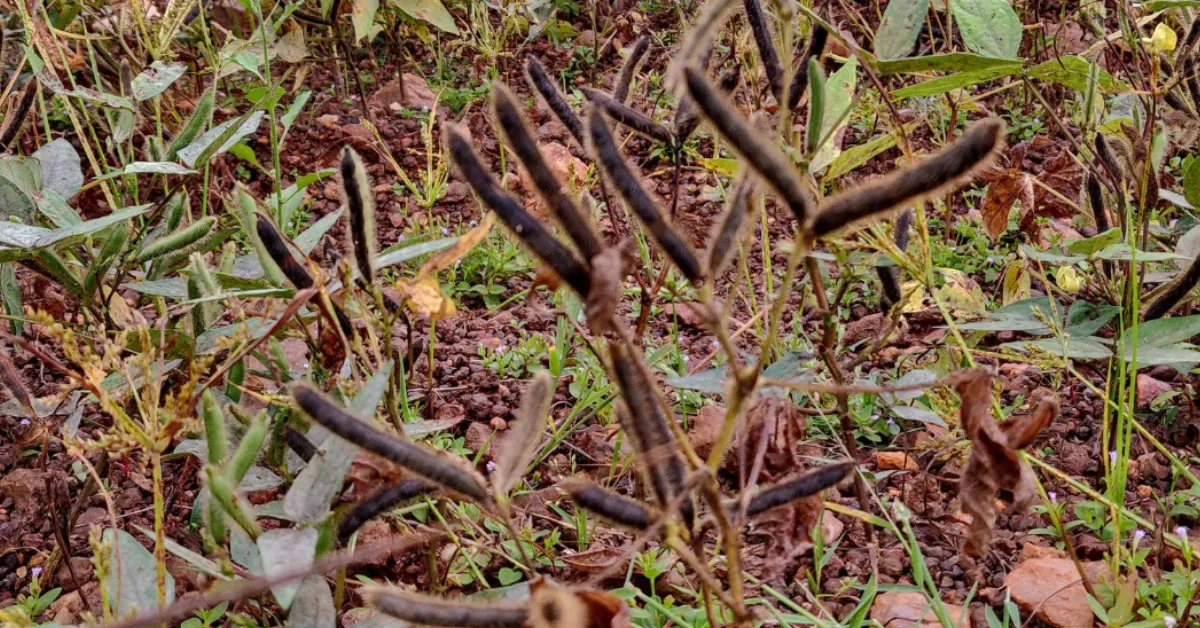
Meanwhile, India has quietly been a rockstar in climate-resilient agriculture. In the last decade alone, the Indian Council of Agricultural Research (ICAR) has released nearly 3,000 crop varieties that can shrug off climate change. Since 2011, their National Innovations on Climate Resilient Agriculture program has been churning out hardy crops and teaching farmers how to use them. They've even set up climate-resilient villages to demonstrate these technologies in over 440 villages across 150 districts. Which is crucial, considering half of India's agricultural districts are highly vulnerable to climate shocks like floods, droughts, and heatwaves. Someone's gotta eat, after all.
USDA Researchers: Move It or Lose It (Again)
In less sunny news, the U.S. Department of Agriculture (USDA) is trying to relocate hundreds of researchers from D.C. to Kansas City again. And again, about three-quarters of them are saying, "Hard pass." An internal survey suggests a repeat of 2019, when 85% of employees from the Economic Research Service (ERS) and National Institute of Food and Agriculture (NIFA) simply quit or retired rather than move. The USDA insists no programs will be affected, but critics worry about a massive "brain drain." Because nothing says "stability" like dismantling decades of institutional knowledge and jeopardizing crucial data that farmers and policymakers rely on. Just brilliant.
School Meals Get a Record Boost
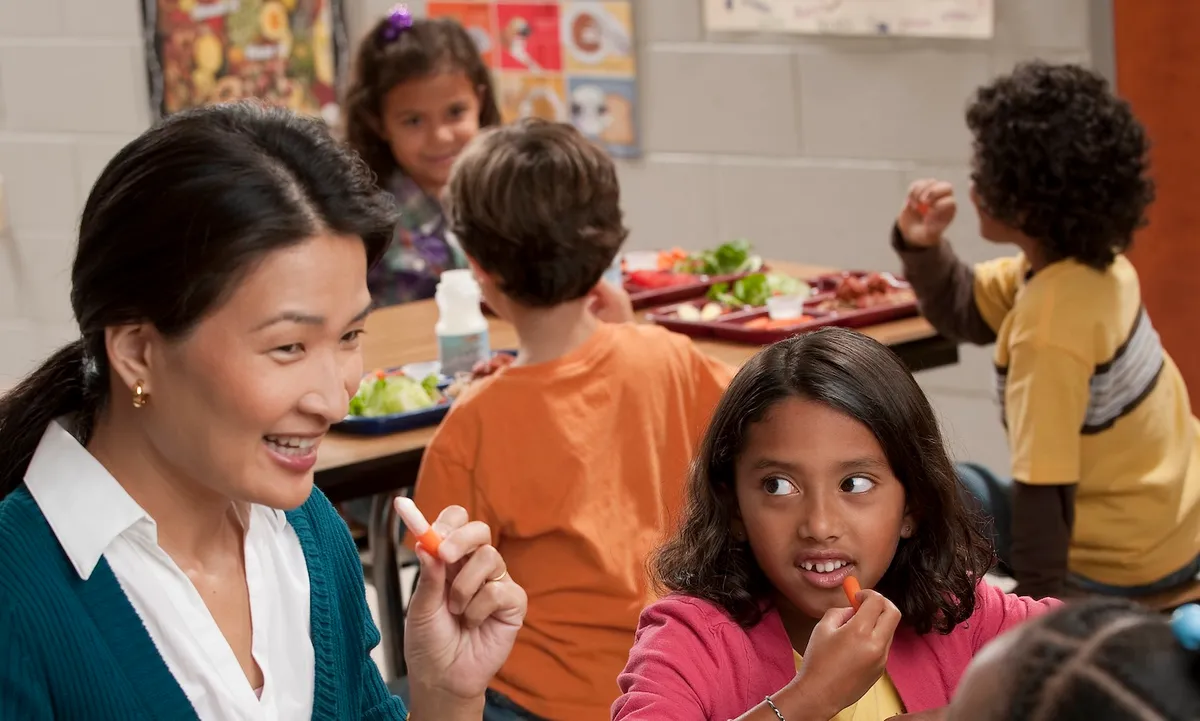
Finally, some genuinely good news that doesn't involve researchers being forced to pack their bags. The World Food Programme (WFP) just announced the largest private sector commitment to school feeding in its history. Thanks to Danish foundations Novo Nordisk Foundation and Grundfos Foundation, hundreds of thousands of children in Uganda, Kenya, and Ethiopia will get nutritious, locally sourced meals. This isn't just about feeding kids; it's about connecting schools with local farmers, building climate resilience, and generally making sure the next generation can, you know, learn and thrive.
WFP Executive Director Cindy McCain rightly calls school meals "one of the best investments a government can make in a nation’s future." Over the next five years, 366,000 children will benefit, and 57,500 smallholder farmers will get stable markets. Plus, this investment will help the School Meals Accelerator reach an additional 100 million children globally by 2030. Because a fed kid is a future-ready kid, and that's a return on investment everyone can get behind.