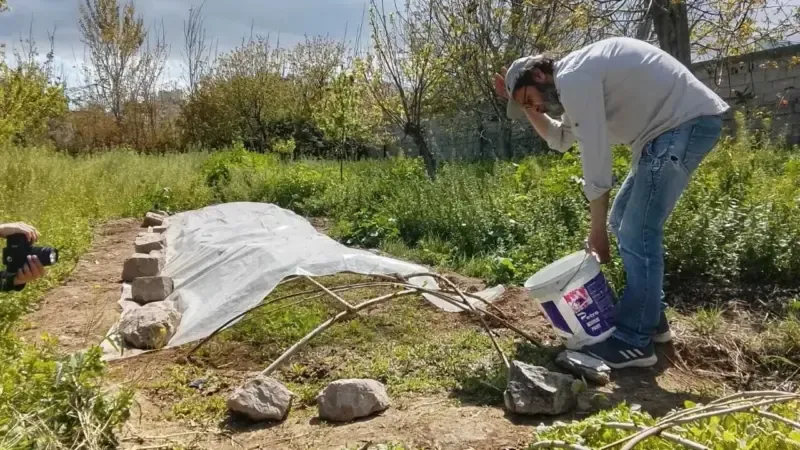
A community garden on the edge of Damascus is helping rebuild Syria's farming heritage. The "Solidarity Fields in Jaramana" project is bringing back local seed production. This effort aims to revive crops that almost disappeared due to economic hardship and farming decline.
From Greece to Syria: A Seed of Hope
The Jaramana initiative is part of a larger project called "Solidarity Fields and Dignity." This project supports farming across Syria. It helps people grow their own food, share harvests, and work together. This is especially important as climate change affects land and farming.
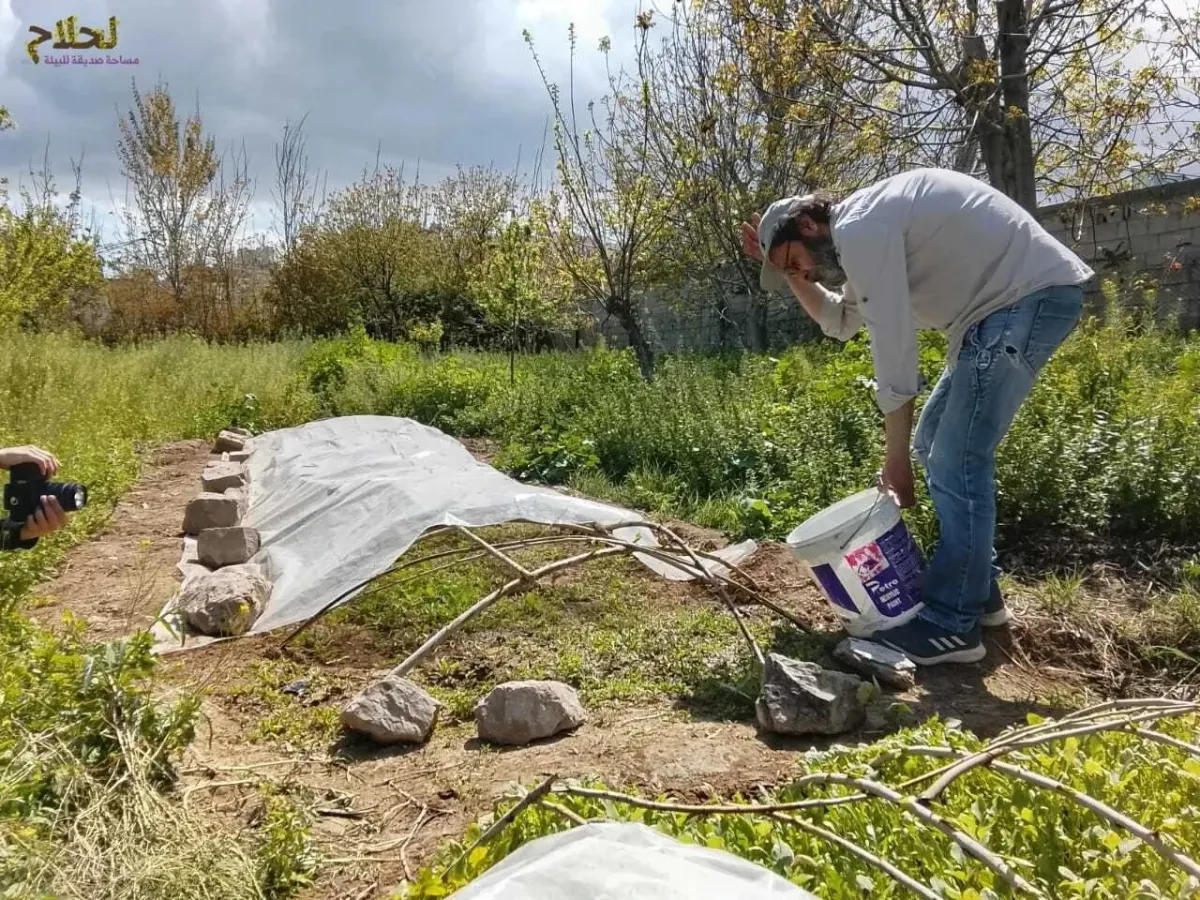
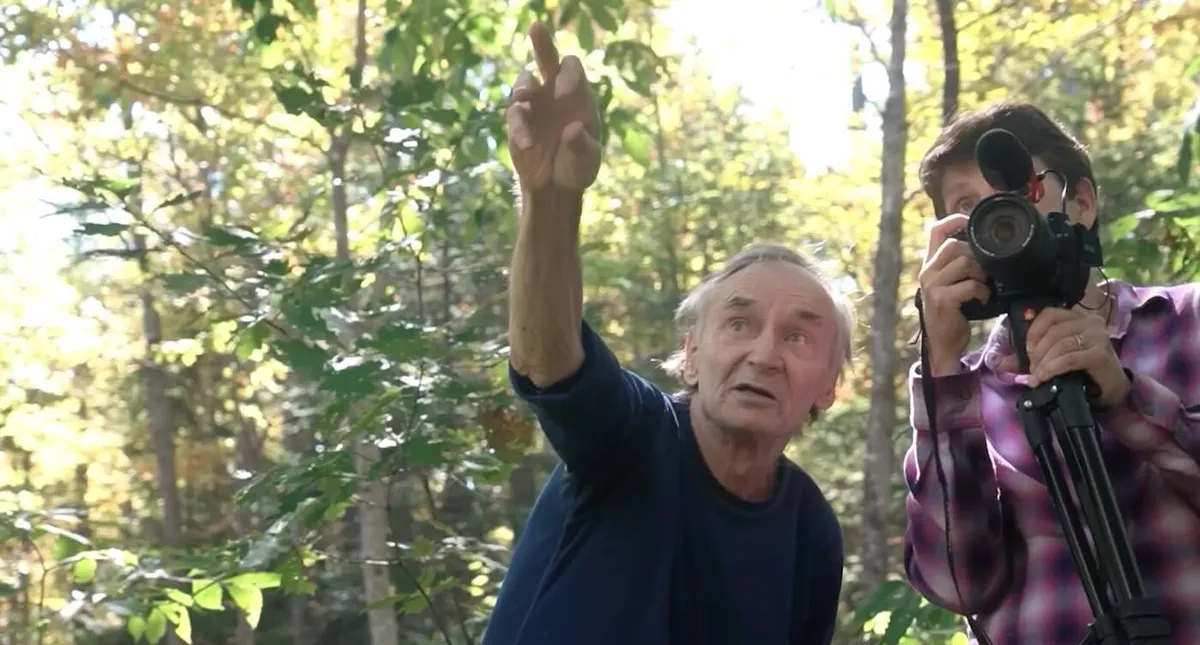
Muhannad Deeb, an artist and coordinator for the Jaramana project, explained its origins. It grew from a partnership between the "Shughl wa Fan" (Work and Art) initiative and "Solidarity Fields and Dignity in Syria." The Syrian project started in 2025, building on a similar project in Greece.
We're a new kind of news feed.
Regular news is designed to drain you. We're a non-profit built to restore you. Every story we publish is scored for impact, progress, and hope.
Start Your News DetoxThe Greek "Solidarity Fields" was founded by Suleiman Dakdouk, a Syrian refugee, and other Syrians. It began small with less than an acre, two cows, and three sheep. It then grew to over 37 acres across displaced communities. The project focused on self-sufficiency, including farming, raising poultry, and making food like dairy products. They even had shops to sell extra produce.
The "Shughl wa Fan" initiative, started in 2008, uses art and culture to raise awareness about preserving living spaces. It also highlights how art can create a better environment. This shared vision led to the "Solidarity Fields in Jaramana."
Deeb noted that after connecting with Suleiman Dakdouk, the Jaramana fields began in March 2026. Farmers, volunteers, and friends were invited to join.
The Power of Local Seeds for Food Security
Local seeds are crucial for farmers. The FAO (Food and Agriculture Organization) states that community seed systems provide 80% to 90% of all seeds used, especially for self-pollinated crops. Having local seeds also reduces the need for food aid.
Local seeds are perfect for their climates and need less input. They have diverse genetics, making them resistant to diseases and adaptable to changing weather. Farmers often produce, share, and trade these seeds directly from their harvests or through local markets.
Deeb explained that the Solidarity Fields project uses various farming experiences. They get seeds mainly from home gardens, where many people grow their own vegetables. Experts can identify native seeds, but the most reliable way is to get them from a mature, locally grown fruit.
The project's first step is planting seeds. They have set aside about 75 acres for growing seedlings. After harvesting, the produce is distributed to ensure the project continues and local seeds remain available.
Seeds are vital for human food. They carry the genetic traits of crops. Over time, better varieties emerge through improvement and adaptation. High-quality seeds are essential for increasing production and facing environmental challenges. The FAO emphasizes that food security depends on farmers having access to good seeds. Without good seeds, there are no good crops. This makes local seed projects very important, especially after wars or disasters.
Rebuilding After Conflict and Drought
The war in Syria drastically reduced the rural population by 50% between 2011 and 2016. This led to huge losses in crops and livestock. Irrigation systems were destroyed, and farming areas were damaged. The cost of farming supplies like seeds and fertilizers also soared. Blockades forced farmers to use imported seeds. When war hits, farming systems are shattered. Farmers might survive but lose their land and generations of seed stocks, lacking resources to rebuild.
Deeb believes this initiative is especially important after years of drought and conflict. He said it "helps increase the number of farmers adopting this approach, thereby expanding the areas cultivated with local seeds." This also lowers production costs by avoiding chemical pesticides and fertilizers.
He thinks the project can create lasting change in farming practices. "Most farmers rely on experience before adopting any method," he noted. "So it's possible for the results of this experiment to influence farmers and the wider community, making it more widespread."
Given the challenges in Syrian agriculture, producing local seeds is a key step. It helps ensure sustainable farming and rebuilds the farmer's connection to the land as a food source, facing both climate and political crises.