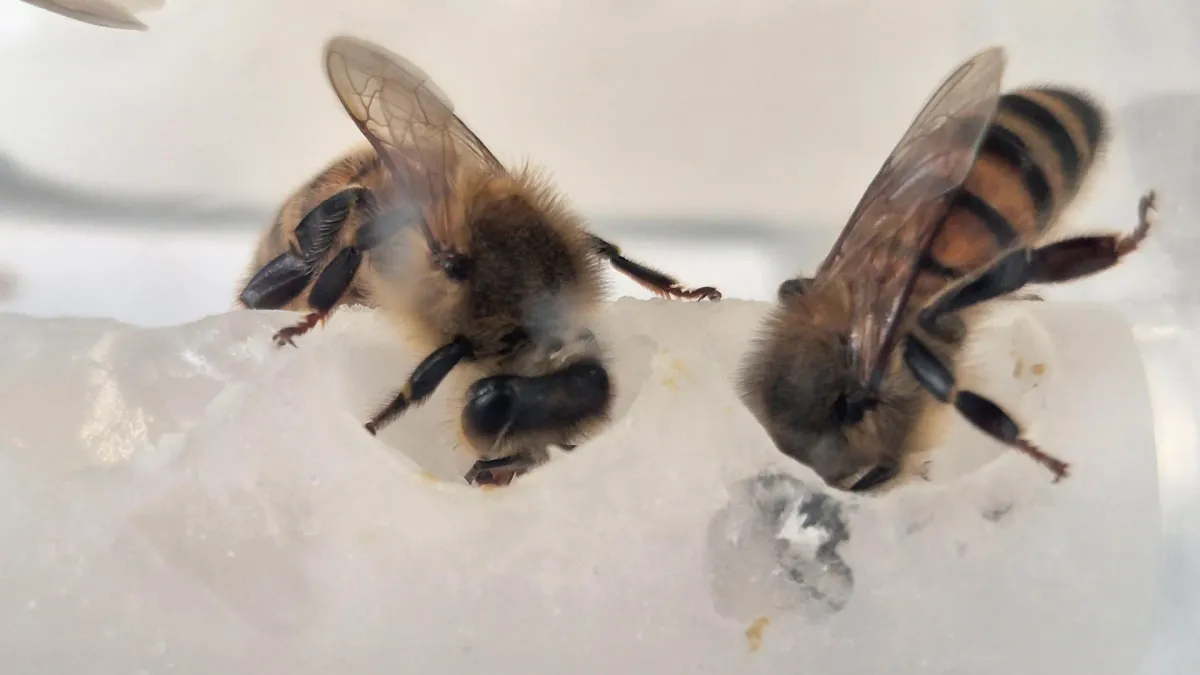
For years, we've been told the humble honey bee is the unsung hero of our fruit bowls. But what if the real MVP has been buzzing under our noses (and occasionally landing on our picnic spreads) this whole time? Researchers at the University of New England just dropped a bombshell: flies are actually fantastic pollinators for berry crops, sometimes even outperforming their striped, fuzzy counterparts.
This isn't just about giving flies a much-needed PR boost. It's about finding new ways to keep our food supply stable, especially as climate change messes with traditional pollinators and farming moves into more enclosed, high-tech systems. Turns out, the solution might be less 'save the bees' and more 'appreciate the… well, that fly.'
The Unsung Heroes of the Berry Patch
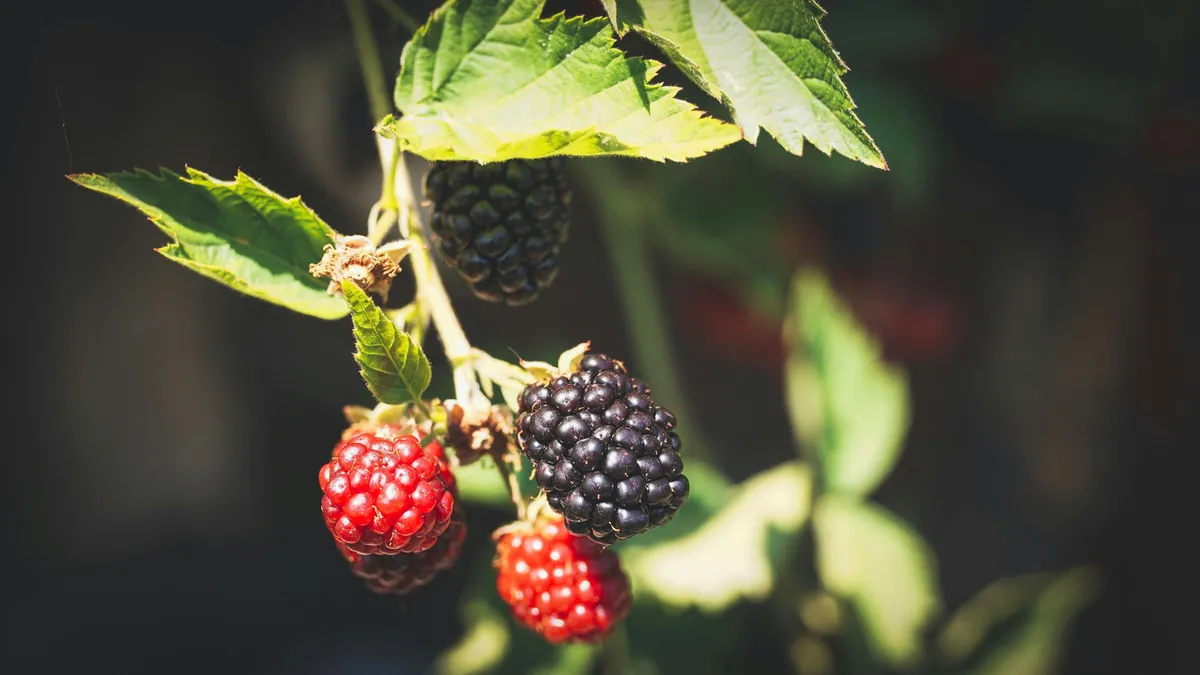
Dr. Abby Davis, the lead scientist, set up field cages (the glamour of science!) to observe two Australian fly species: the brown blow fly and the drone fly. Their mission? To get up close and personal with commercial blackberries and raspberries.
We're a new kind of news feed.
Regular news is designed to drain you. We're a non-profit built to restore you. Every story we publish is scored for impact, progress, and hope.
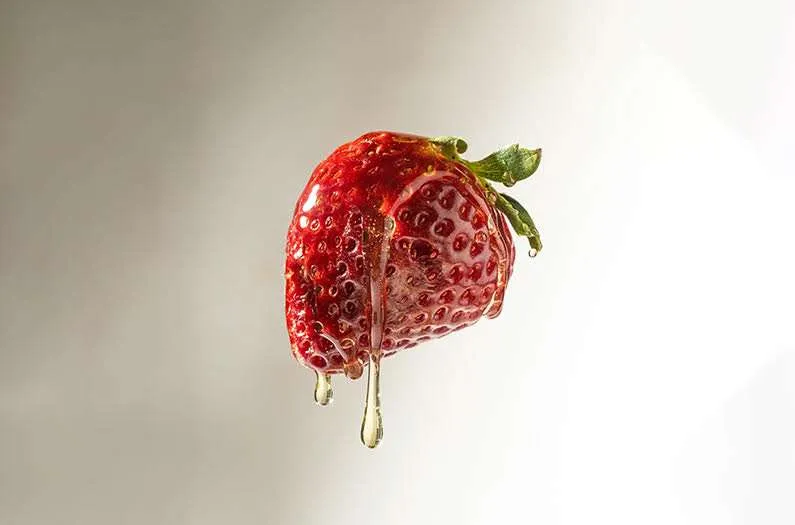
Start Your News DetoxAnd the results? Both fly species successfully pollinated the crops. But the real star of the show was the drone fly, which consistently delivered higher quality fruit, especially for blackberries. The size and quality of these fly-pollinated berries were on par with those pollinated by bees in a natural setting. Take that, conventional wisdom.
Even better, when the research scaled up to larger commercial polytunnels, drone flies stayed active on blackberry flowers, providing excellent pollination and high-quality fruit. Dr. Davis noted that drone flies were particularly effective in cooler weather, precisely when honey bees tend to clock out. This could be a game-changer for colder regions or unpredictable weather patterns, making pollination far more reliable.
As for the brown blow fly? It was a bit less effective on its own, sometimes leading to slightly lower quality fruit. But hey, even a wingman is useful, right? It could still help out other pollinators like honey bees and stingless bees.
Why We Need More Buzz (of All Kinds)
The global agricultural system is constantly under pressure from shifting climates, declining pollinator populations, and a heavy reliance on a single species: the European honey bee. Putting all your pollination eggs in one basket, as it were, makes crops incredibly vulnerable. Diversifying our pollinator portfolio is becoming less of an option and more of a necessity.
Now, flies might not be the first creature you picture flitting delicately between blossoms. But many species, particularly drone flies, have surprisingly hairy bodies perfect for picking up and transferring pollen. They also, rather conveniently, enjoy a good meal of nectar and pollen from flowers. They're basically bees in disguise, but with a less adorable reputation.
"Flies often get a bad reputation because we only notice the ones that bother us," Dr. Davis observed. Which, if you think about it, is both fair and slightly unfair. The ones that land on your lunch are annoying. But the ones quietly ensuring your breakfast berries exist? Those are the unsung heroes. And this study is a solid first step toward giving them the credit (and the commercial gig) they deserve.
Future research will explore how these tiny workhorses perform with other crops and in different farming conditions. Because apparently, the future of sustainable agriculture might just involve a lot more buzzing—and a little less conventional wisdom. And that's something worth sharing.