For half a century, the story was simple: Indigenous Hawaiians hunted the islands' native waterbirds into oblivion. A neat, tidy narrative, if a bit grim. Now, a new study from the University of Hawaiʻi at Mānoa has swooped in, politely but firmly, to say: Nope. Absolutely no evidence of that.
This isn't just a historical footnote. It's a full-on debunking of a myth that has shaped conservation efforts and, let's be honest, probably made a few Indigenous communities feel a little unfairly targeted. The study, published in Ecosphere, points to a much messier, more complex culprit: climate change, invasive species, and land use shifts. Many of these factors were at play long before Polynesians even arrived, or surged after traditional Indigenous land management got disrupted.
In a twist of irony, some of these endangered bird species might have been most abundant right before Europeans showed up, when Native Hawaiian society was meticulously managing wetlands. Because apparently, you can't just blame the locals for everything.
We're a new kind of news feed.
Regular news is designed to drain you. We're a non-profit built to restore you. Every story we publish is scored for impact, progress, and hope.
Start Your News DetoxThe Unflattering Assumption
Kawika Winter, one of the study's co-authors, noted that science has a bit of a default setting: humans = bad for nature. This assumption has, for decades, painted Indigenous people as the primary drivers of extinction, often without a shred of proof. Winter says this particular myth became ingrained in Hawaiʻi, taught as fact in schools.
But the new research doesn't just clear a name; it suggests the opposite. Indigenous land stewardship helped native birds thrive. It’s almost as if people who live in a place for generations might know a thing or two about keeping it healthy. Kristen Harmon, the lead author, points out that science is finally challenging its own long-held biases, realizing that a more holistic view — combining different fields and knowledge systems — paints a much more accurate picture.
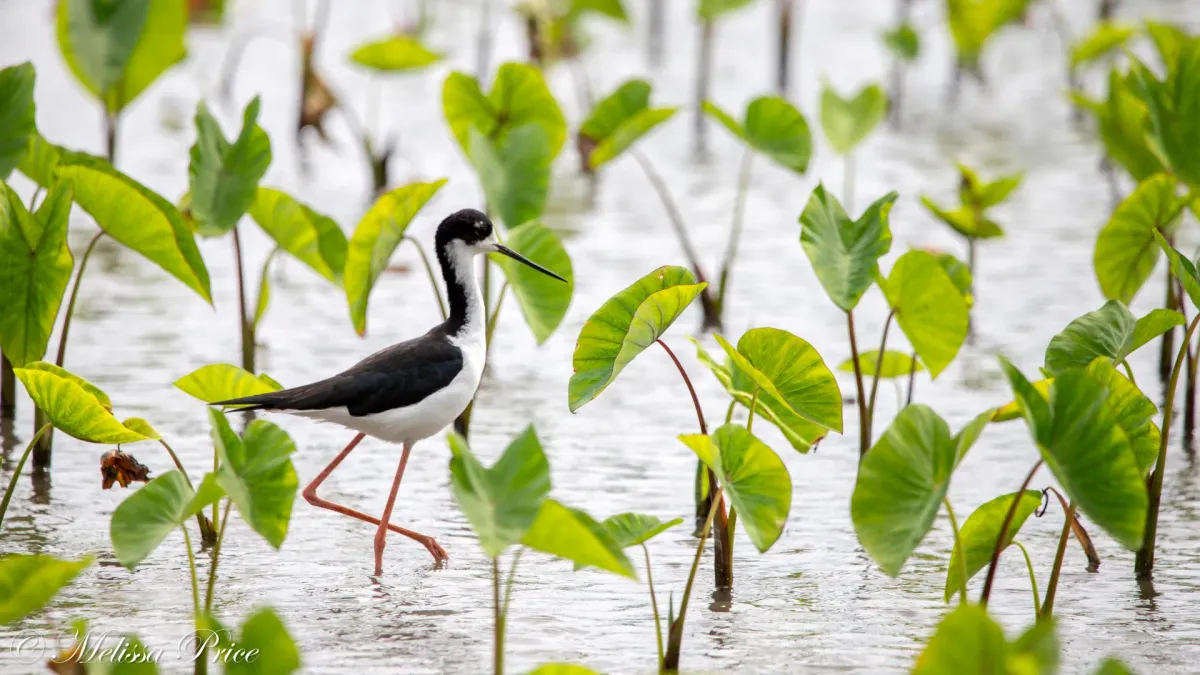
These findings could actually reshape conservation efforts across Hawaiʻi, especially for birds like the ʻalae ʻula (Hawaiian Coot) and ʻaeʻo (Hawaiian Stilt). Researchers are now suggesting that bringing back traditional systems isn't just a nice idea; it might be vital for these species to recover. Melissa Price, an Associate Professor at CTAHR, put it plainly: restoring loʻi (those wetland agro-ecosystems) is key. If Hawaiʻi wants to be the "Recovery Capital of the World" instead of the "Extinction Capital," it needs to reconnect nature and community.
Ulalia Woodside Lee from The Nature Conservancy summed it up perfectly: generations of blame led to distrust and exclusion. This study, she hopes, will finally allow everyone to work together. Because sometimes, the biggest obstacle to saving nature isn't the environment itself, but the stories we tell about it.