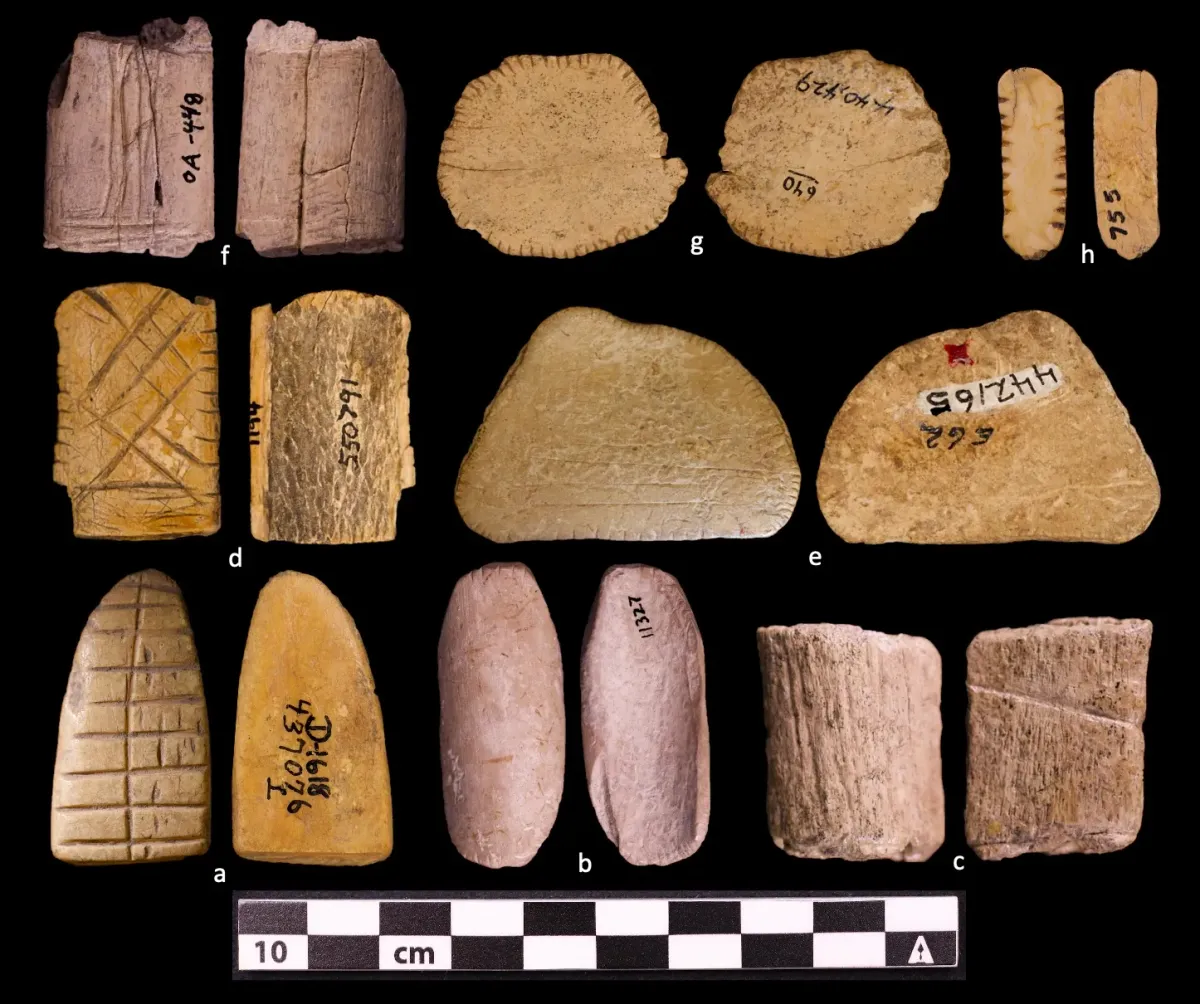
Before you could even think about building a pyramid, hunter-gatherers on the western Great Plains were already grappling with fate, one bone toss at a time. A new study from Colorado State University just pushed back the known history of dice games by a cool 7,000 years.
Turns out, while Mesopotamia and the Indus Valley were supposedly inventing games of chance 5,500 years ago, Native Americans were already seasoned gamblers. Robert J. Madden, a PhD student at CSU, dug into the archaeological record and found evidence that dice were being crafted and played with over 12,000 years ago.
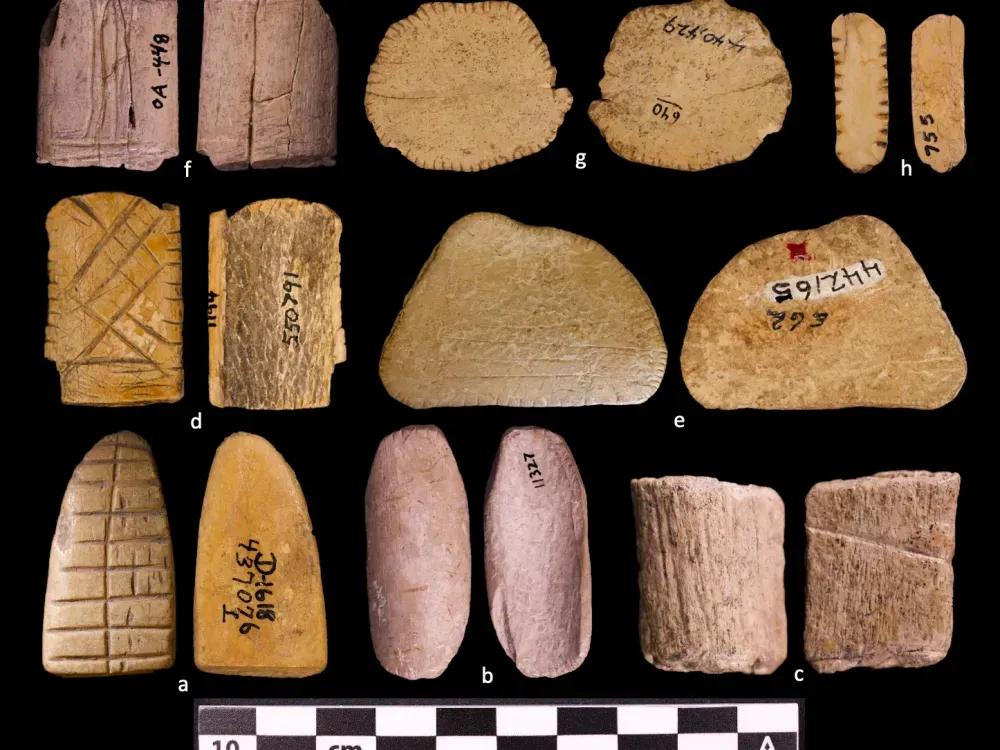
For context, previous research only traced dice use back about 2,000 years in the Americas. Madden, knowing the deep history of Native American dice games, wasn't satisfied. He compiled a list of features found in historical Native American dice, then used it to re-examine older, previously misclassified artifacts.
We're a new kind of news feed.
Regular news is designed to drain you. We're a non-profit built to restore you. Every story we publish is scored for impact, progress, and hope.
Start Your News DetoxThe Original Probability Problem
These weren't your Dungeons & Dragons polyhedrals. The ancient dice were two-sided, often made from bone or wood. Each side had distinct marks or colors. When thrown, they'd land on one side or the other — a simple, elegant binary system for deciding your next move, or perhaps, your dinner plans.
Madden's study pinpointed the oldest examples at sites in Wyoming, Colorado, and New Mexico, dating back an astonishing 12,800 to 12,200 years ago. Let that satisfying number sink in.
It seems humanity's first approach to randomness, and by extension, probability, wasn't a philosophical debate but a casual toss of a decorated bone. Which, if you think about it, is both impressive and slightly terrifying for anyone who's ever lost a bet.