Ghana has finally done it: after 15 years of bureaucratic wrestling and environmental campaigning, the nation has officially declared its first-ever marine protected area (MPA). Vice President Naana Jane Opoku-Agyemang dropped the news on April 14, marking what Benjamin Campion of Ghana's fisheries commission called a "historic moment." Which, if you've been following the global battle for healthier oceans, it absolutely is.
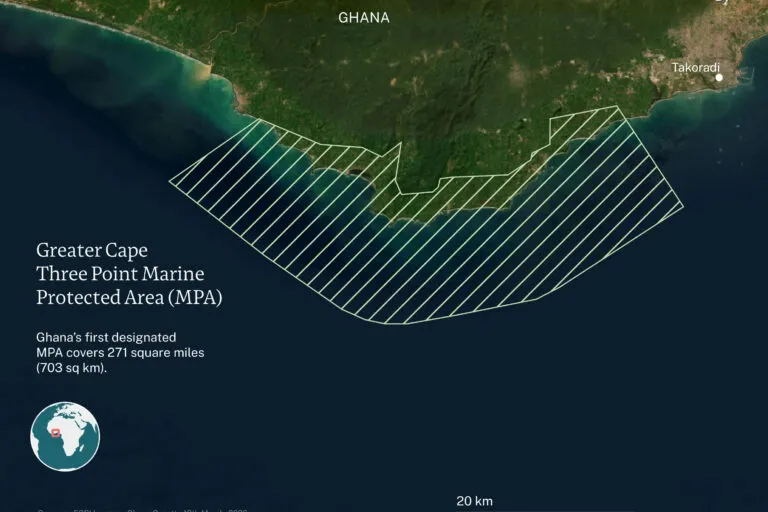
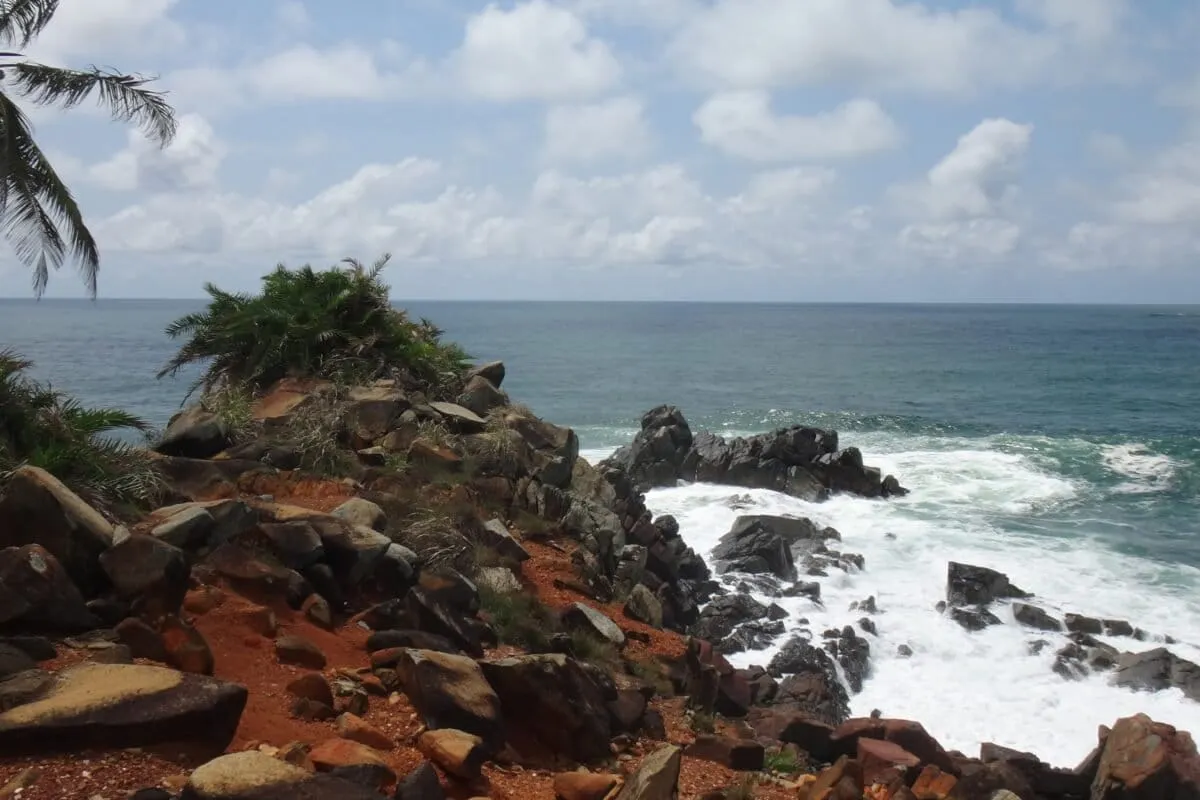
This new protected zone spans a hefty 703 square kilometers (that's 271 square miles for those of us still on imperial) and sits at Ghana's southernmost tip, in the greater Cape Three Points area. Why there? Because it's essentially a five-star nursery for fish. It’s where they go to lay eggs and where their offspring get a fighting chance to grow up before becoming someone's dinner.
The MPA isn't a total no-go zone. It features a core area where fishing is strictly off-limits, surrounded by other zones where activities are permitted, but under a microscope. Think of it as a bouncer for the ocean, making sure everyone plays nice. Campion noted this is just one piece of Ghana's larger strategy to reboot its struggling fishing industry.
We're a new kind of news feed.
Regular news is designed to drain you. We're a non-profit built to restore you. Every story we publish is scored for impact, progress, and hope.
Start Your News DetoxA Lifeline for Fish and Humans Alike
Ghana's small pelagic fishery – the one that pulls in all those surface-dwelling fish like sardinella, anchovy, and mackerel – has been on life support. Years of relentless overfishing by local boats, destructive practices from large trawlers, and the ever-present shadow of climate change have pushed these populations to the brink. This isn't just an ecological problem; it's a food security crisis, as these small fish provide the primary source of animal protein for most Ghanaians.
To combat the decline, Ghana has already implemented seasonal fishing closures and even a three-year ban that kicked off in 2023. This MPA is the latest, and arguably most significant, move to give the ocean a much-needed break. Because sometimes, the best way to catch more fish later is to just let them be, now.