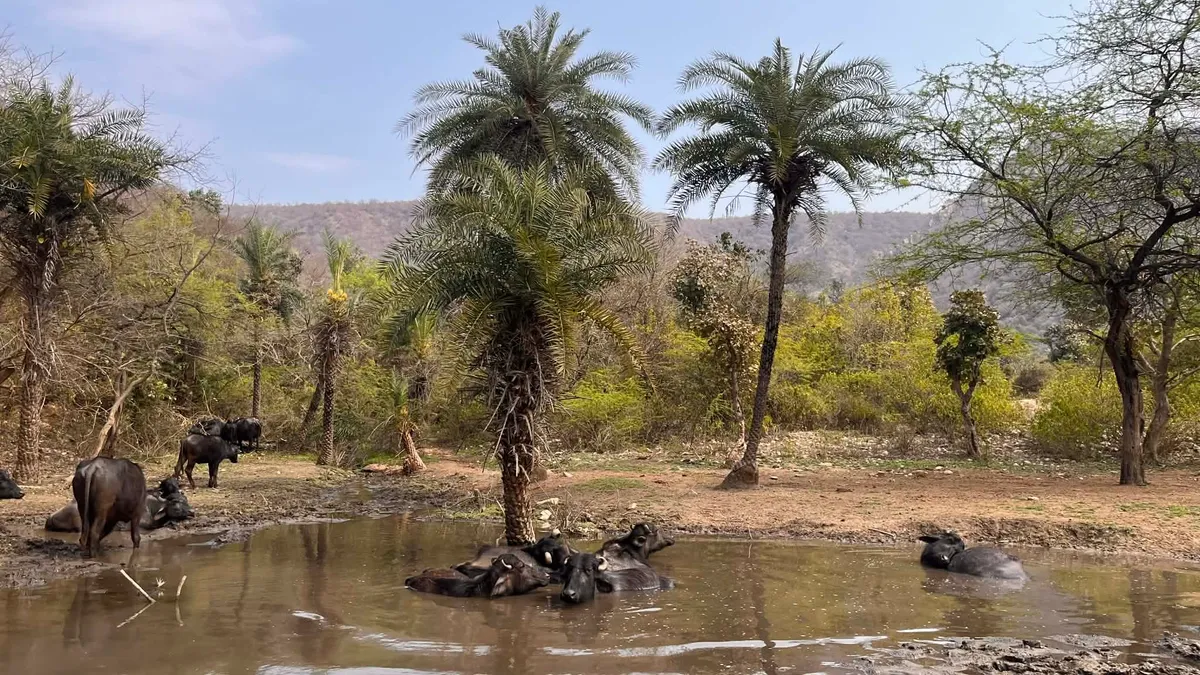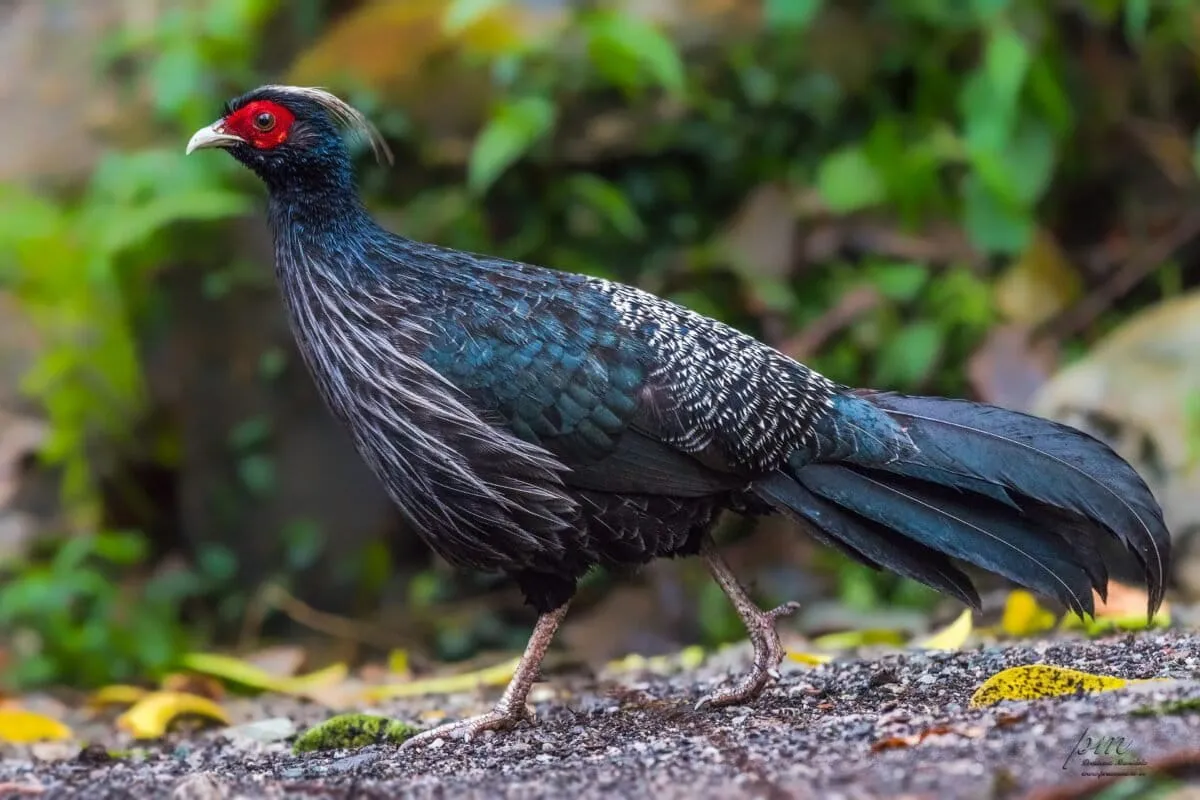
Imagine a barren hillside, mostly scrub and a few lone pines, baking under the Himalayan sun. Now imagine it teeming with over 160 bird species, more than 100 types of butterflies, and enough medicinal plants to fill an apothecary. That's not a nature documentary fantasy; it's the very real, very impressive result of a 30-year project in India's Western Himalayas.
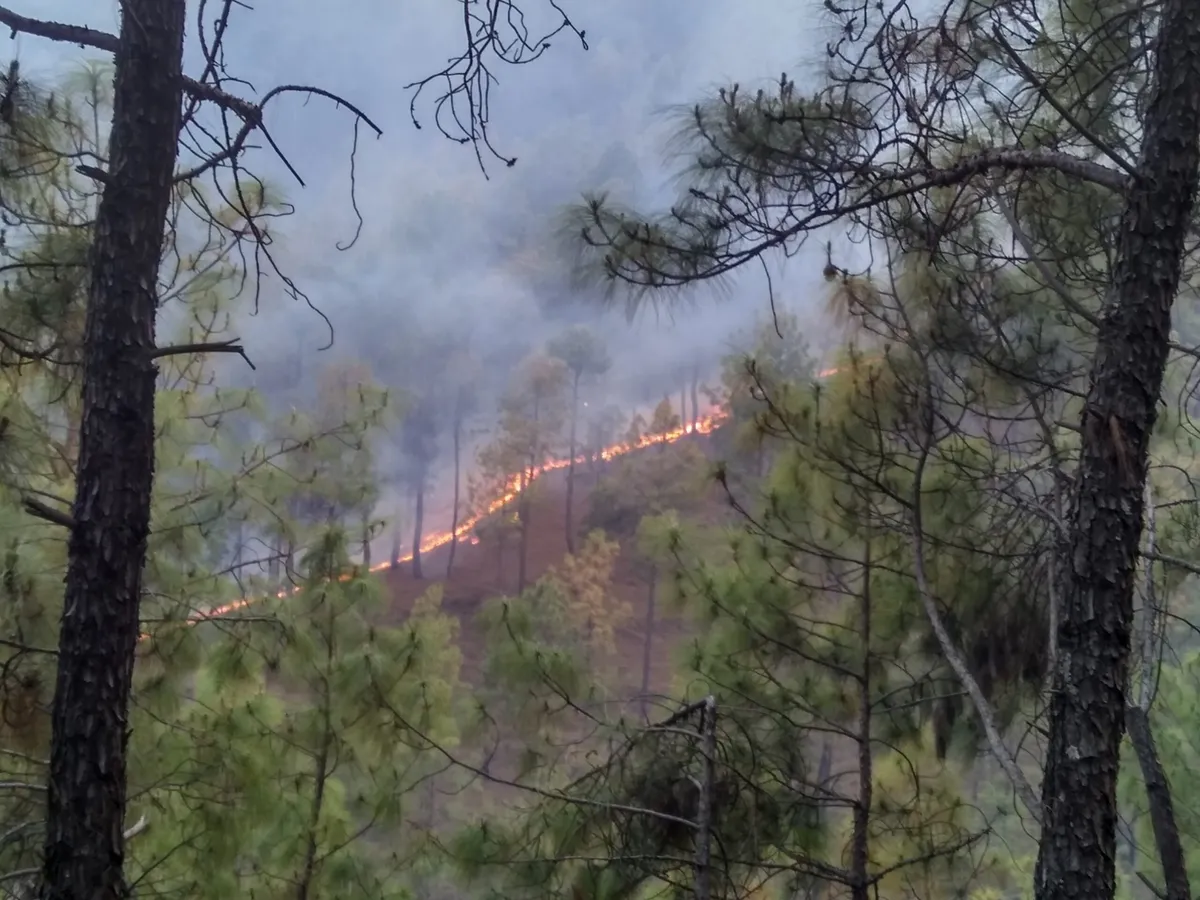
Back in the early 90s, a 71-acre slope in Uttarakhand was, to put it mildly, struggling. Decades of colonial-era logging, which favored a single type of pine for resin and timber, had left the area vulnerable to wildfires and general ecological sadness. It was a monoculture, which is great for a cornfield, less so for a thriving ecosystem.

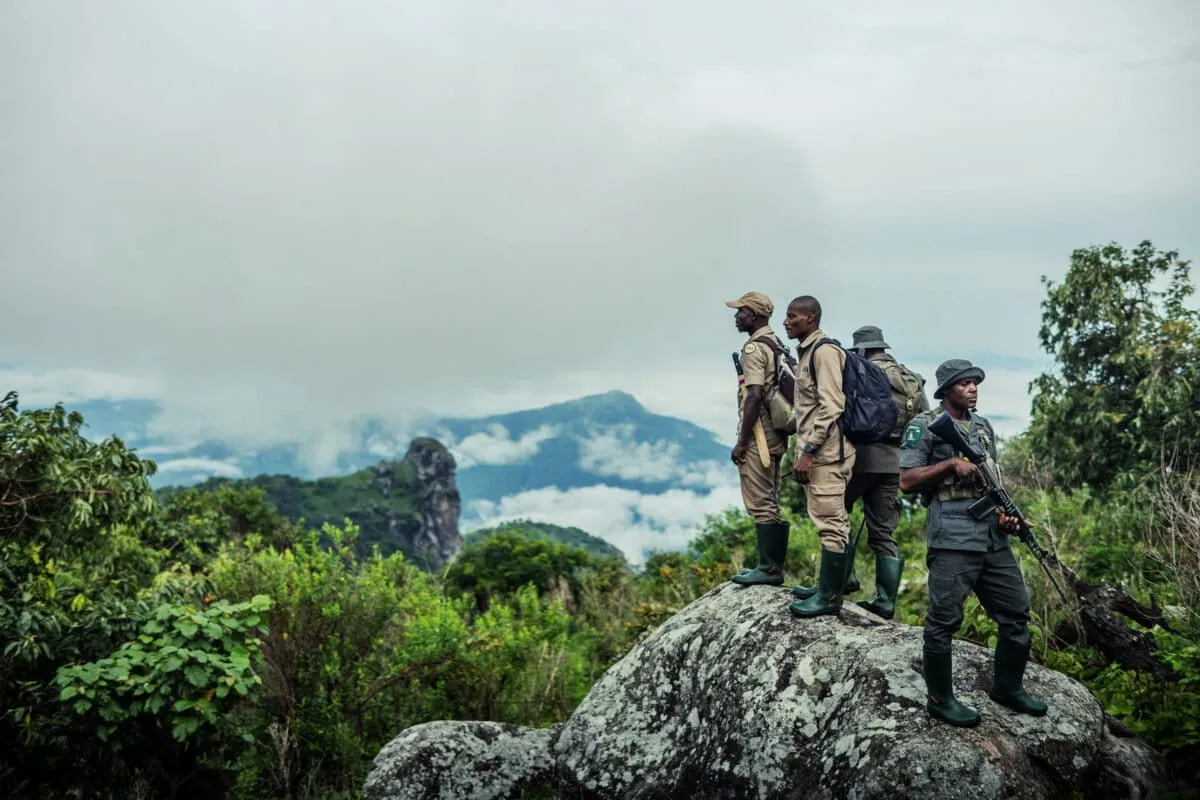
Then, in 1992, researchers from the G.B. Pant National Institute of Himalayan Environment teamed up with local villagers. They called their restoration site "Surya-Kunj," or "Sun-Grove," a nod to a nearby temple. Because, apparently, even forests need good branding.
We're a new kind of news feed.
Regular news is designed to drain you. We're a non-profit built to restore you. Every story we publish is scored for impact, progress, and hope.
Start Your News DetoxFast forward three decades, and the transformation is so complete it almost feels like a different planet. Surya-Kunj now provides food for local livestock, a natural pharmacy for traditional medicines, and a sustainable income source for the people who nurtured it back to health. It's a living, breathing testament to what happens when communities roll up their sleeves and decide to bring nature back from the brink.
Indra D. Bhatt, a co-author of the study and the director of the institute, points to Surya-Kunj as a blueprint for larger restoration efforts across the Himalayas. Which, if you think about it, is both impressive and slightly terrifying — imagine what else we could fix if we just stuck with it for 30 years.