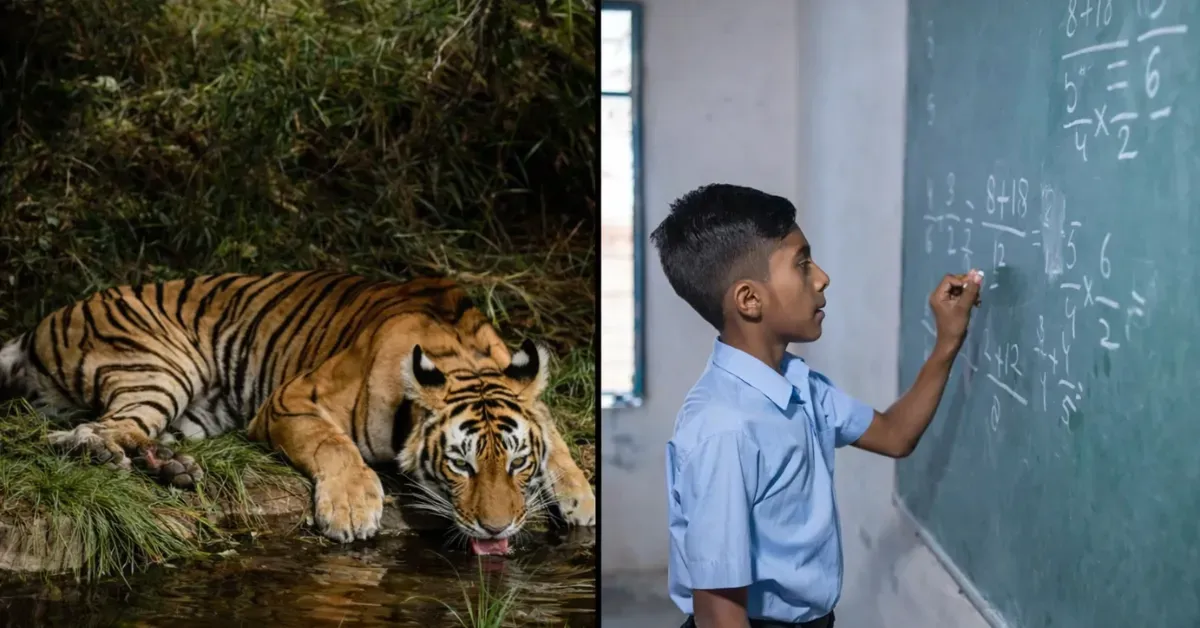
You probably think of a tiger as, well, a tiger. Big, striped, magnificent. Definitely a symbol of wild nature and conservation efforts. But what if that same tiger's presence in a forest could directly influence whether a child in a nearby village gets to go to school?
Conservation scientist Faiyaz Ahmad Khudsar has been connecting these dots, and it turns out the ripple effect of a top predator goes far beyond the jungle.
The Unsung Hero of the Food Chain
Tigers are apex predators. They keep the populations of plant-eaters like deer in check. Without them, deer would go on an all-you-can-eat buffet, stripping forests bare and leaving very little for anyone else. India's impressive comeback to over 3,000 wild tigers isn't just a win for the big cats; it's a win for everything below them.
We're a new kind of news feed.
Regular news is designed to drain you. We're a non-profit built to restore you. Every story we publish is scored for impact, progress, and hope.
Start Your News DetoxWhen tiger populations are healthy, forests flourish. More plants mean soil stays put, erosion takes a holiday, and a whole ecosystem of insects, birds, and small mammals finds a home. Then the monsoons hit, and the magic really happens.
Instead of water just running off, it soaks deep into the ground. This refills underground water sources, meaning village wells don't run dry as quickly, and the soil stays moist even after the rains are long gone. Let that satisfying number sink in: healthy forests mean more water for longer.
From a Full Well to a Full Classroom
This is where the tiger becomes an unlikely benefactor. Better groundwater and healthier soil directly translate to better farming. Crops can weather dry spells, and harvests become more reliable. For communities living on the margins, a bad harvest isn't just a bummer; it can mean crushing debt, forced migration, or hunger. So, that stability? It's life-changing.
Khudsar puts it plainly: "So you are prospering." And prosperity, it turns out, changes everything.
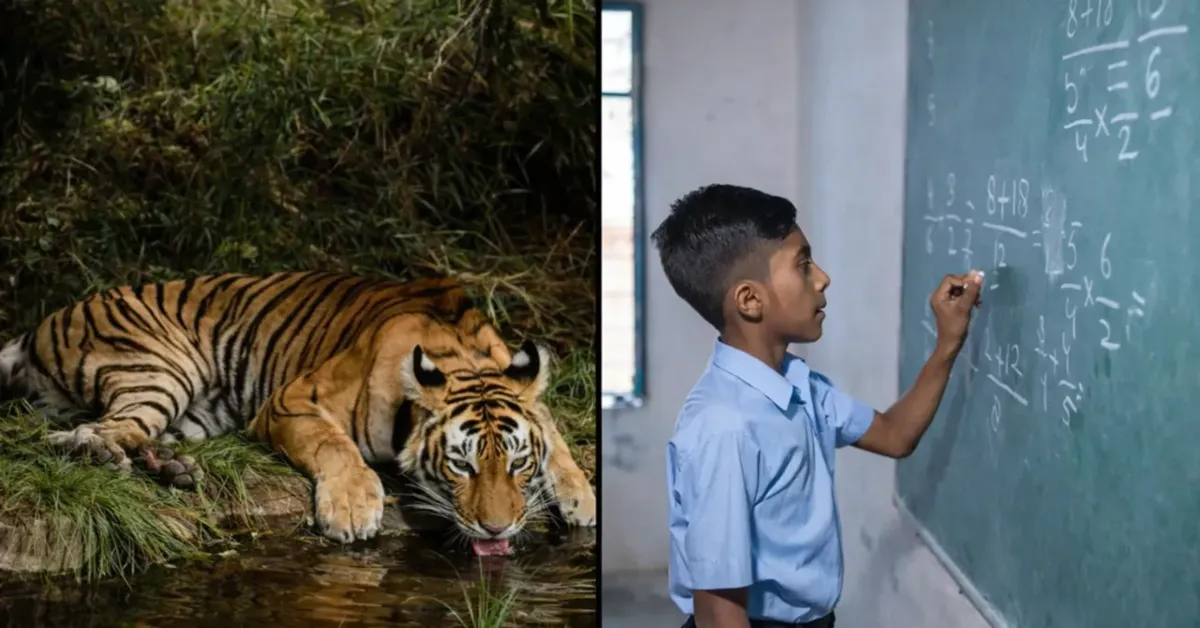
A family that once needed every single hand to graze cattle or work the fields can now make different choices. Education, once a distant dream or an unaffordable luxury, suddenly becomes a tangible possibility. "And when you prosper," Khudsar explains, "instead of sending your kids for cattle grazing and goat grazing, you start sending your kids to schools."
It's a trophic cascade – a fancy term for a ripple effect that starts at the very top of the food chain and works its way down, transforming entire ecosystems and, in this case, human lives. In places like the Sundarbans, where dense forests meet human settlements, these connections are not just theoretical; they are the literal difference between struggle and stability.
This radically reframes conservation. It's not just about protecting animals from people; it's about understanding how protecting animals helps people. As Khudsar wisely notes, "A tiger can help you. Though we are protecting the tiger, we are helping many things." We're all part of the same wild, wonderful, interconnected system. And sometimes, that system delivers a child to school, all thanks to a tiger.