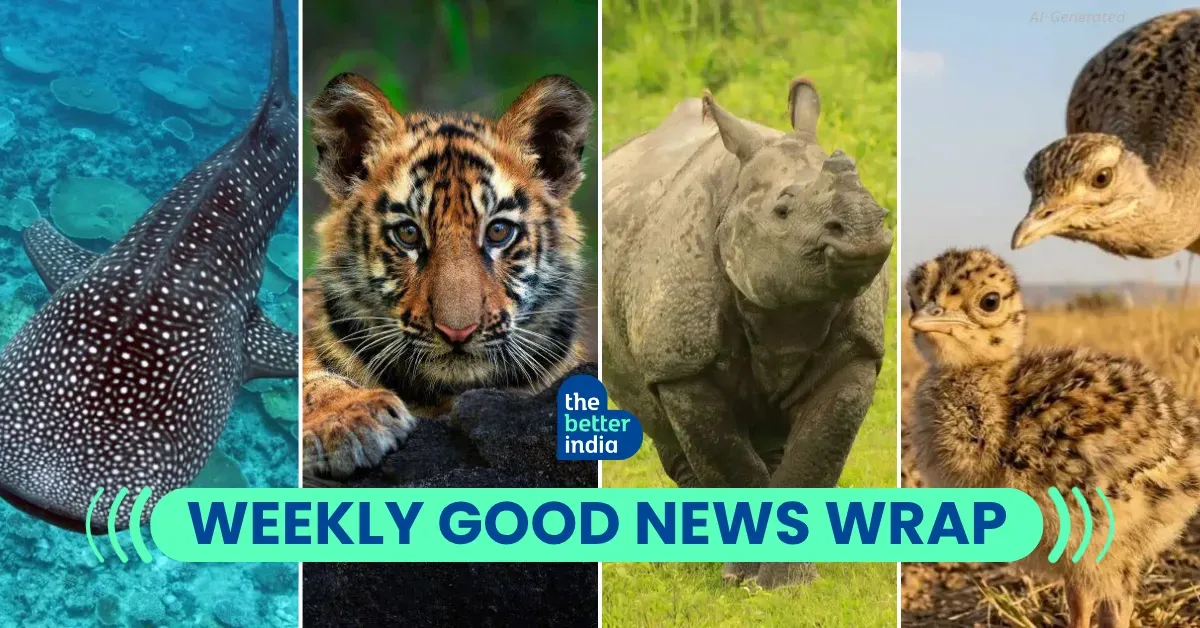
Turns out, you don't need a cape to be a hero. Sometimes, all it takes is a fishing net, a forest uniform, or a very, very careful journey with a fragile egg. Across India, an unlikely coalition of fishermen, forest officers, and scientists are proving that animals can, in fact, return from the brink.
They're not just moving creatures into zoos; they're putting them back into the wild, where they belong. And they're doing it with a mix of gritty determination and, in one instance, a rather epic road trip.
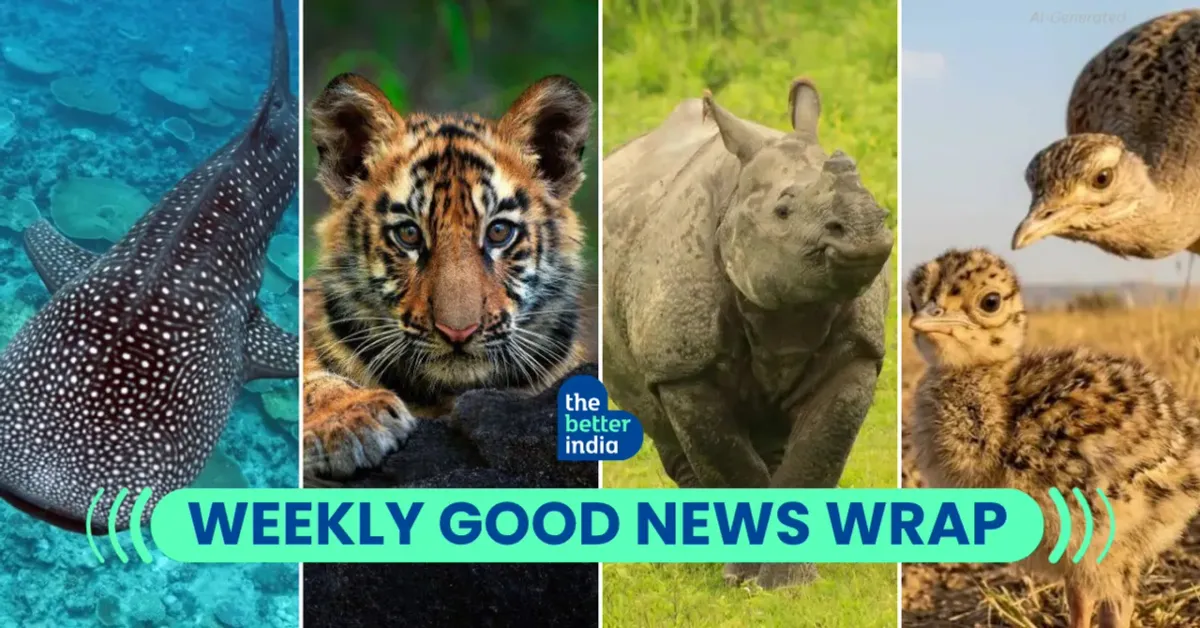
From Harpoon to Hero: Protecting Whale Sharks
Not long ago, the waters off Gujarat’s coast were a hunting ground for whale sharks. These gentle giants, with their distinctive spotted backs, were fair game. Fast forward two decades, and the local fisherfolk in Veraval now call them “Paani mein taare” — stars in the water. Because apparently, that's where we are now: fishermen are protecting sharks.
We're a new kind of news feed.
Regular news is designed to drain you. We're a non-profit built to restore you. Every story we publish is scored for impact, progress, and hope.
Start Your News DetoxThese same communities, who once hunted them, now form vigilant protection groups. They voluntarily report entangled sharks and help researchers tag them. The result? Over 1,029 whale sharks have been saved and released. This shift wasn't magic; it was a blend of a compelling film, a timely ban, and years of painstakingly built trust. Let that satisfying number sink in.
Rhinos Roam Free Again
For years, one-horned rhinos in Dudhwa Tiger Reserve lived a somewhat insulated life within a 27-square-kilometer enclosure. Safe, yes, but not exactly wild. This month, four rhinos, all between 15 and 25 years old, were released into the reserve’s open forests. It’s part of a rewilding effort spearheaded by Dr. H Rajamohan and WWF-India.
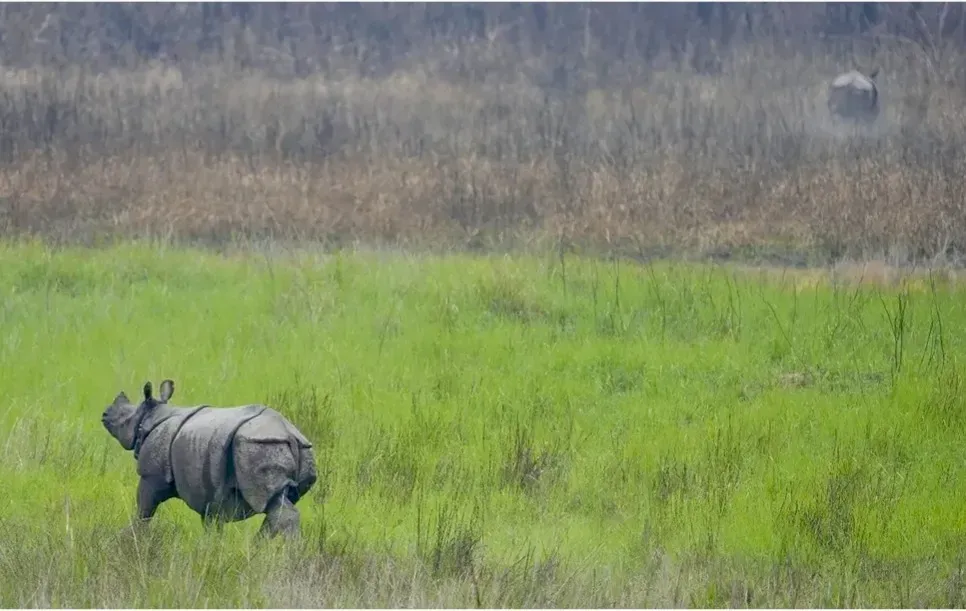
The reserve's free-roaming rhino population now stands at eight and is steadily growing. The Terai grasslands, which these magnificent creatures once helped shape, are finally starting to feel their presence again. Dudhwa isn't just maintaining its rhino population; it's actively rebuilding a legacy.
The Tiger's Triumphant Return
Back in 1973, things looked bleak for India’s tigers. Fewer than 2,000 remained, and many believed it was too late. Enter Project Tiger. Fast forward five decades, and India now boasts over 70% of the world's wild tiger population. Which, if you think about it, is both impressive and slightly terrifying for anyone who wanders off the path.
This comeback wasn't just about tigers. The protected forests became havens for leopards, deer, vital rivers, countless bird species, and entire ecosystems. It was a victory for every scientist, filmmaker, forest officer, and local community member who refused to give up on the wild. A single decision, made half a century ago, breathed life back into India's forests and all who call them home.
A Bustard Chick's Epic Journey
Then there's the Great Indian Bustard. Once widespread, fewer than 150 now exist in the wild. Which makes the story of a particular bustard chick a minor miracle. IFS officer Dheeraj Mittal undertook a 770-kilometer journey, carefully transporting a fertile bustard egg from Rajasthan to Gujarat's Kutch Desert Sanctuary.
He placed it under a wild female for natural incubation, and against the odds, the egg hatched. The chick is now a week old, being discreetly monitored by a forest team giving its mother space. It’s Kutch’s first wild bustard hatch in nearly a decade. Sometimes, the smallest creatures make the biggest headlines.