First, it was for your face. Then, your sore muscles. Now, red light therapy, that glowing beacon of cellular regeneration, has found its next, rather unexpected, fan base: bees.
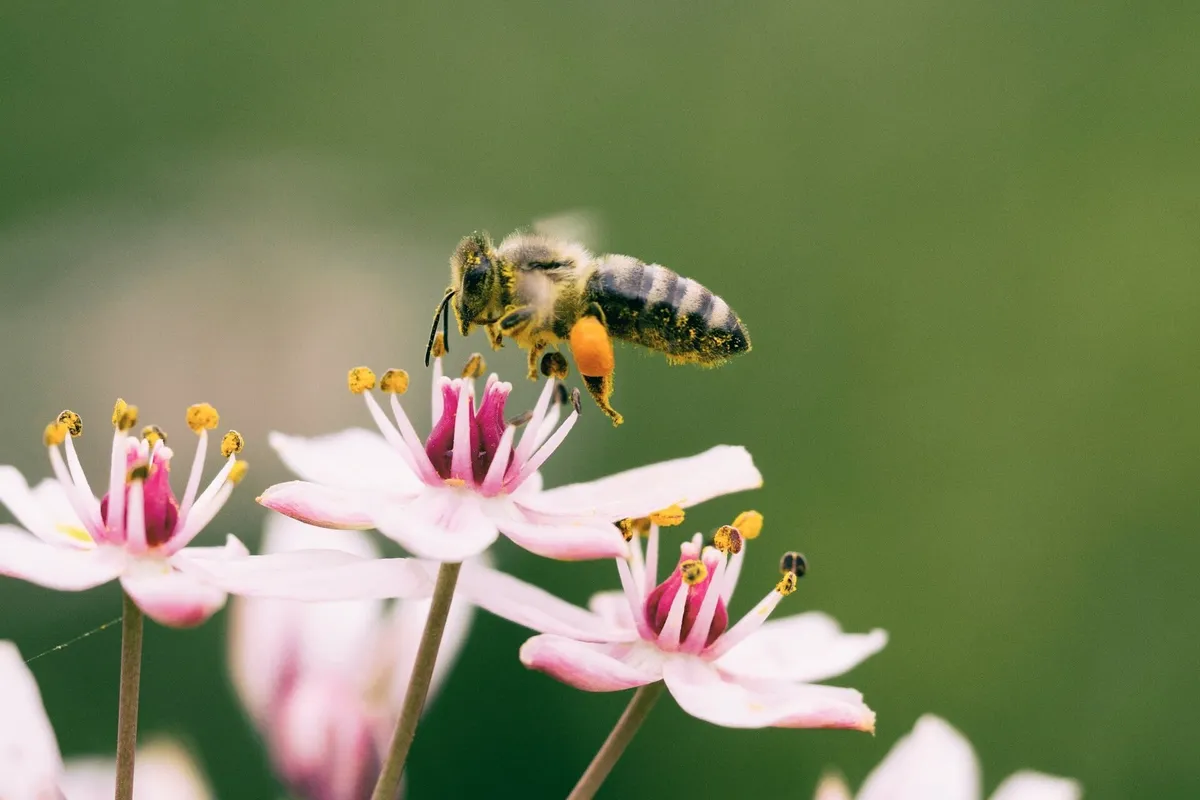
Turns out, what's good for human skin might just be a lifesaver for struggling bee colonies. A company called Beefutures, operating out of France and Norway, reports that studies show bees get a similar mitochondrial boost from red and near-infrared light. The result? Better stress handling, longer lives, and more effective pollination.
Because apparently, even bees need a spa day now and then. And frankly, who can blame them?
We're a new kind of news feed.
Regular news is designed to drain you. We're a non-profit built to restore you. Every story we publish is scored for impact, progress, and hope.
Start Your News DetoxA Tiny Beacon of Hope for Our Tiny Pollinators
Beefutures, in collaboration with University College London (UCL), has even launched the Onibi light, a therapy device designed to fit right inside a beehive. It's like a tiny, glowing disco for insects, but with far more profound implications than just questionable dance moves.
And those implications are sorely needed. The numbers are grim: nearly 60% of US honeybee colonies vanished last winter, with French beekeepers reporting losses up to 50%. As Beefutures CEO Christophe Brod put it with admirable bluntness, "When the bees stop buzzing, our food stops growing. That’s the real story."
UCL trials confirmed the buzz (pun absolutely intended): colonies exposed to pesticides or the indignities of transport bounced back faster with the Onibi light. Professor Glen Jeffery of UCL's neuroscience department noted that treated bees showed improved cellular respiration, sharper eyesight, and robust immune systems. Basically, they're becoming the super-bees we desperately need.
Brod sums it up: healthier bees mean a healthier food system. And with the Onibi Light, beekeepers just might have a new, glowing weapon in the fight to keep our planet fed. Who knew the future of farming would involve tiny, red-lit beehives?