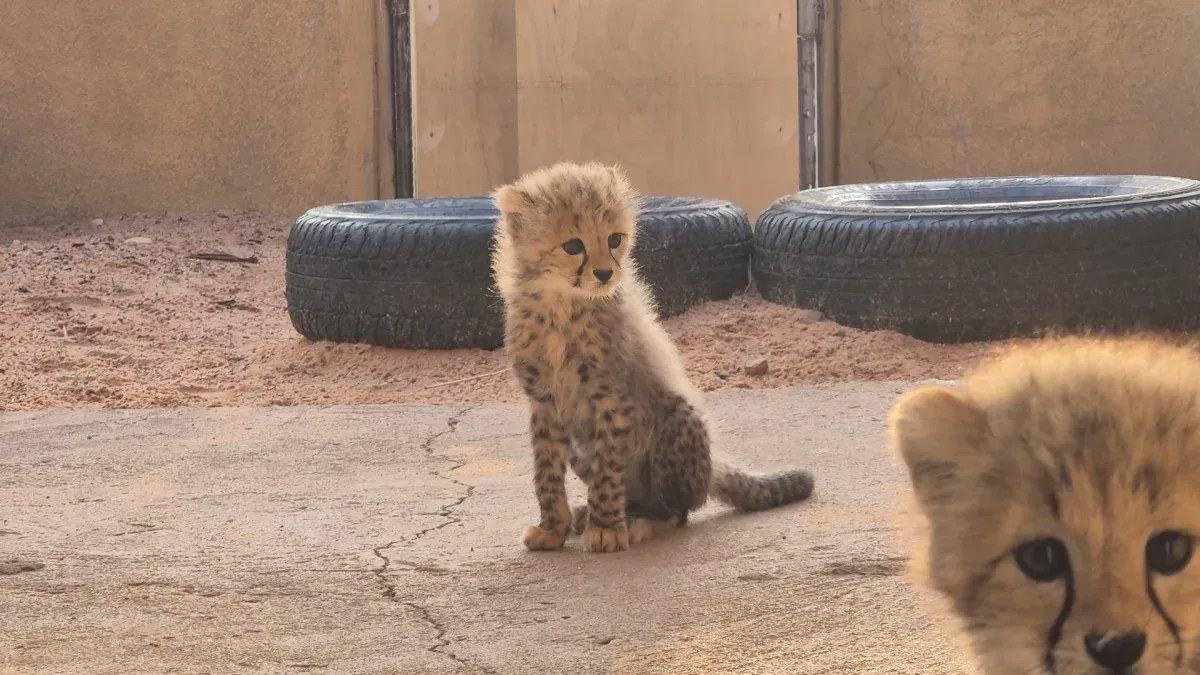
Imagine being a tiny, spotted blur of pure speed, only to find yourself crammed onto a boat, destined for someone's very illegal, very ill-advised living room. That was the near-future for two cheetah cubs in Somaliland, until a rescue operation pulled them back from the brink.
The Cheetah Conservation Fund (CCF) got a tip that traffickers in the capital were about to ship the cubs off into the exotic pet trade. Within hours, a team was dispatched. Because apparently, even illegal wildlife operations have a shipping schedule.
Working with local authorities, the rescue team swooped in. The cubs are now safely at Somaliland’s Cheetah Rescue and Conservation Centre, where vets and wildlife experts will nurse them back to health. This center, opened in 2016 by CCF founder Laurie Marker, is currently home to 125 rescued cheetahs. Let that satisfying number sink in.
We're a new kind of news feed.
Regular news is designed to drain you. We're a non-profit built to restore you. Every story we publish is scored for impact, progress, and hope.
Start Your News DetoxMarker credits the swift action of her team and partners for saving these two. With fewer than 7,000 cheetahs left in the wild, every single one is a major win for the species and the delicate ecosystems they inhabit.
A Pervasive Problem
These two aren't an isolated incident. They join at least 21 other cubs recently rescued, a stark reminder of just how rampant the black market wildlife trade is in the region. The Horn of Africa, particularly Somalia and Somaliland, acts as a major hub for this illicit cheetah cub traffic. It's a grim business.
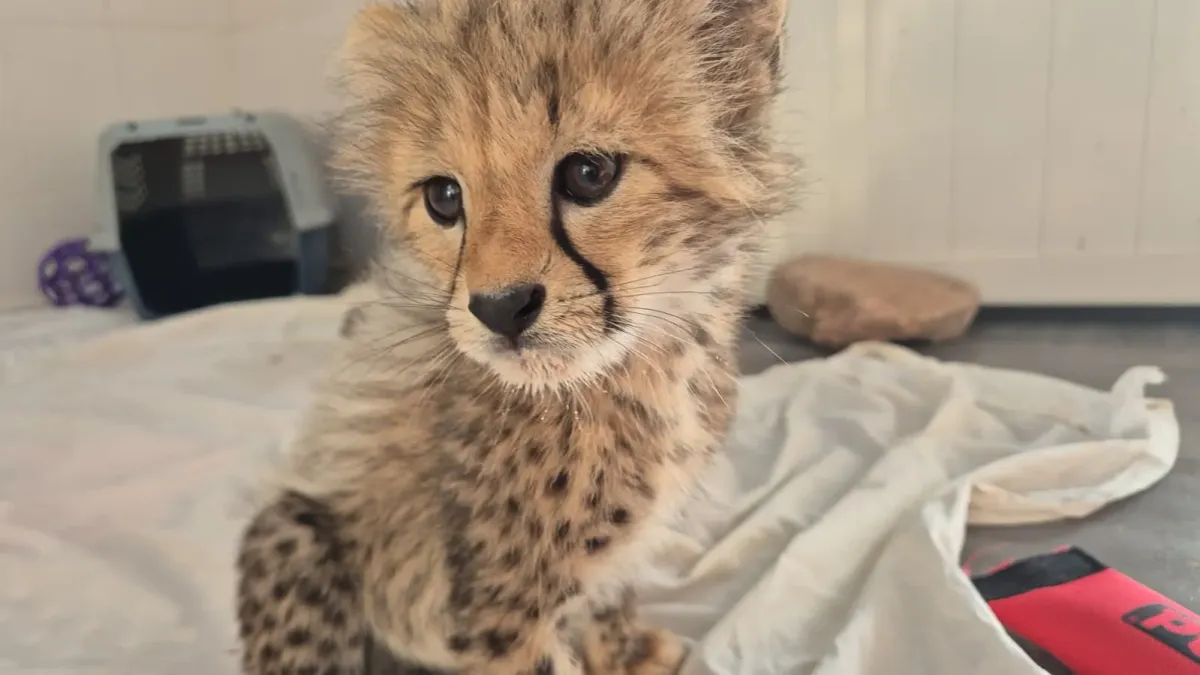
Cubs caught in this trade are often severely dehydrated and malnourished. Experts estimate a horrifying 90% of them die before ever reaching their buyers. Luckily, these two little speed demons are recovering quickly, proving that sometimes, the good guys really do get there just in the nick of time.