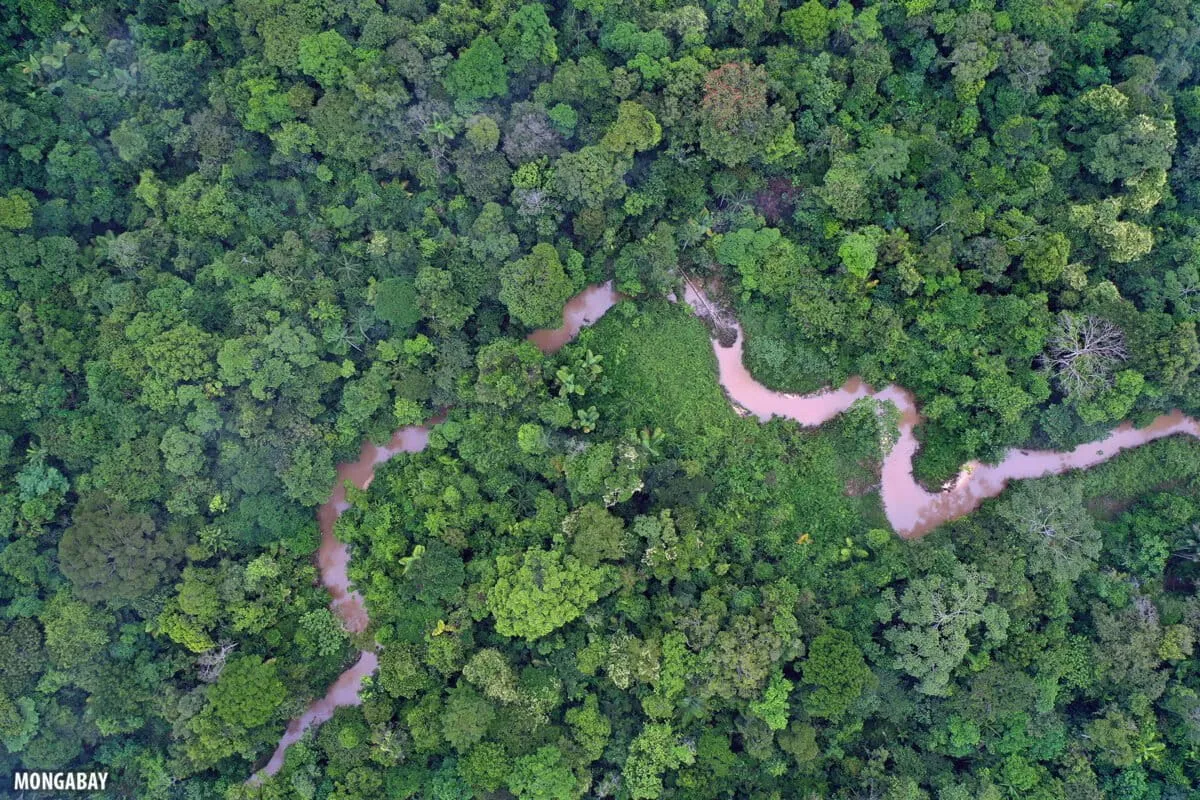
Imagine your family getting forcibly removed from their ancestral land to create a national park. Decades later, you're not just back, you're leading the charge to protect that very forest. That's the story unfolding in the Democratic Republic of Congo, and it's a testament to some serious long-game dedication.
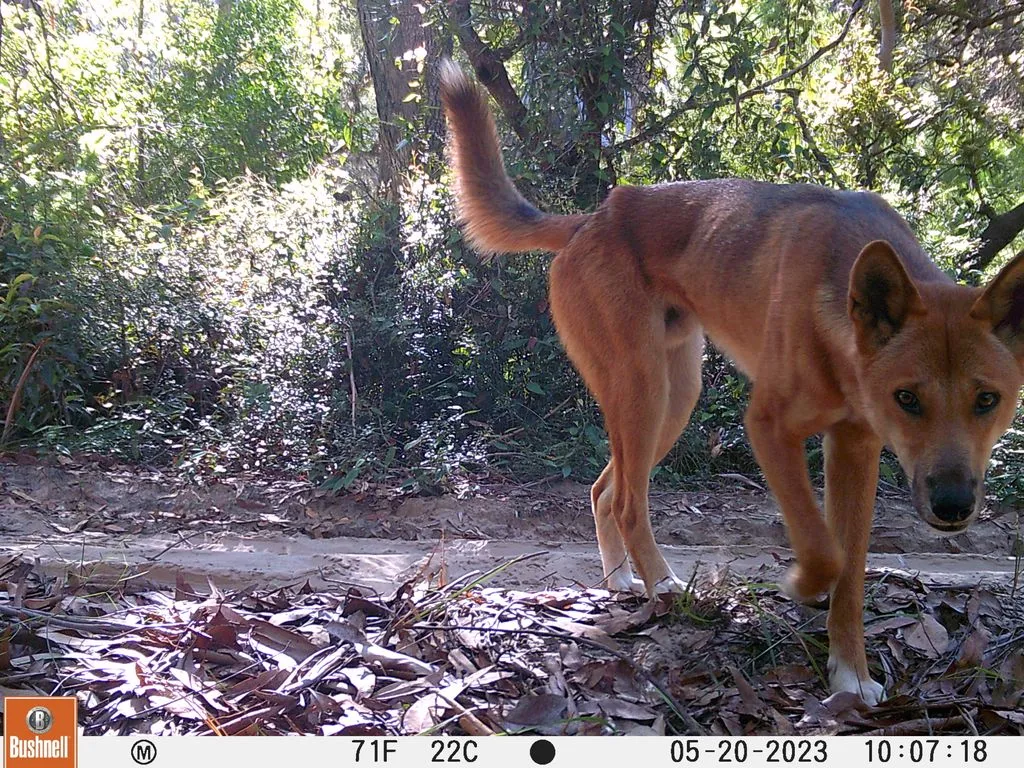
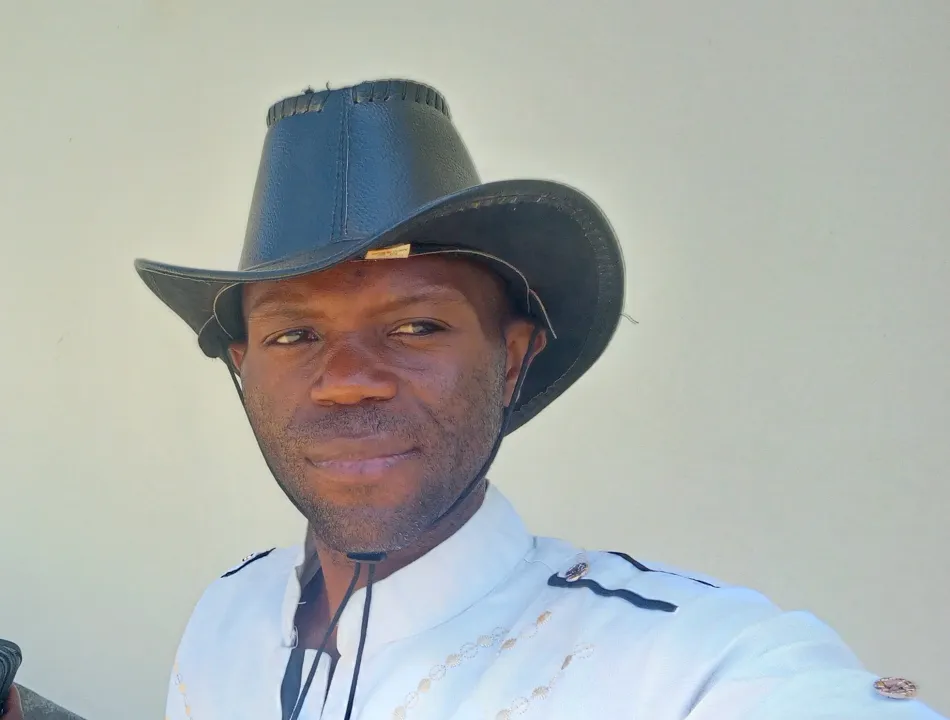
Meet Gangala Yafali Mangusa Jr., a man in his 30s who now heads up forest patrols in North Kivu. His team isn't just taking a leisurely stroll; they're on the lookout for illegal logging, mining, and the kind of hunting that puts protected species (think eastern lowland gorillas and okapi) at risk. It's intense work in a region, Lubero, that's no stranger to conflict, including terrorist attacks. But Mangusa Jr. and his crew — a mix of Indigenous Batwa, Bapiri, and other local communities — are holding the line.
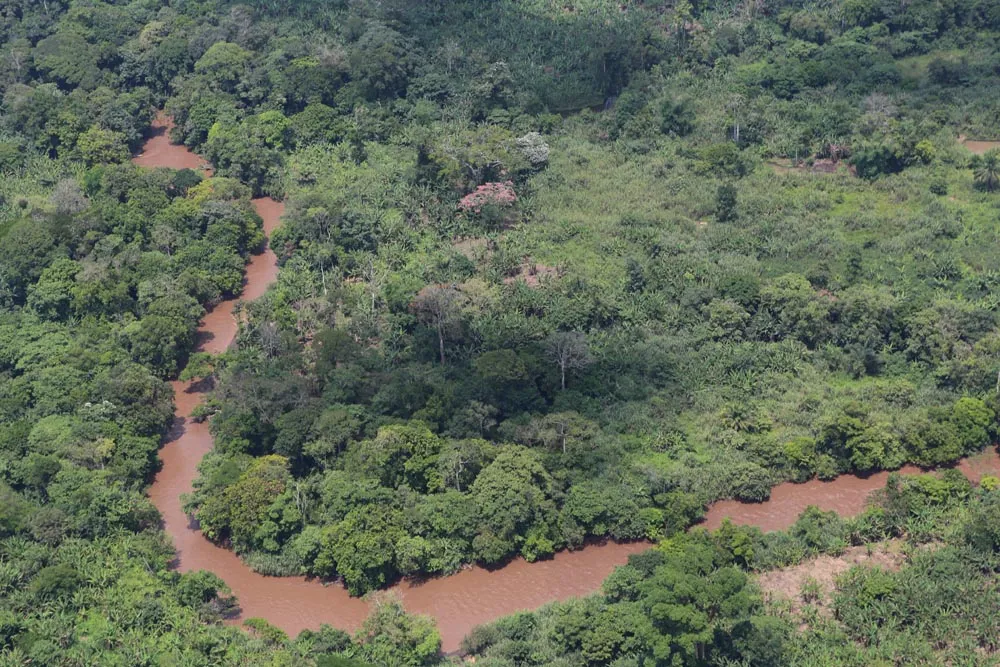
A History of Displacement, A Future of Conservation
Mangusa Jr.'s fierce commitment isn't just about preserving nature; it's deeply personal. His family, like many others, endured conflict and violence after Maiko National Park was established in the 1970s. This massive park, a sanctuary for some of the world's most unique animals, came with a cost: local communities, particularly in the Batike settlement, were pushed out by park rangers enforcing the new boundaries.
We're a new kind of news feed.
Regular news is designed to drain you. We're a non-profit built to restore you. Every story we publish is scored for impact, progress, and hope.
Start Your News DetoxIt's a stark irony: the very families displaced for conservation are now its most effective guardians. They're not just protecting trees; they're ensuring sustainable resource management and helping communities live with nature, not just around it. Because, apparently, the best way to protect a forest is to let the people who know it best actually run the show.