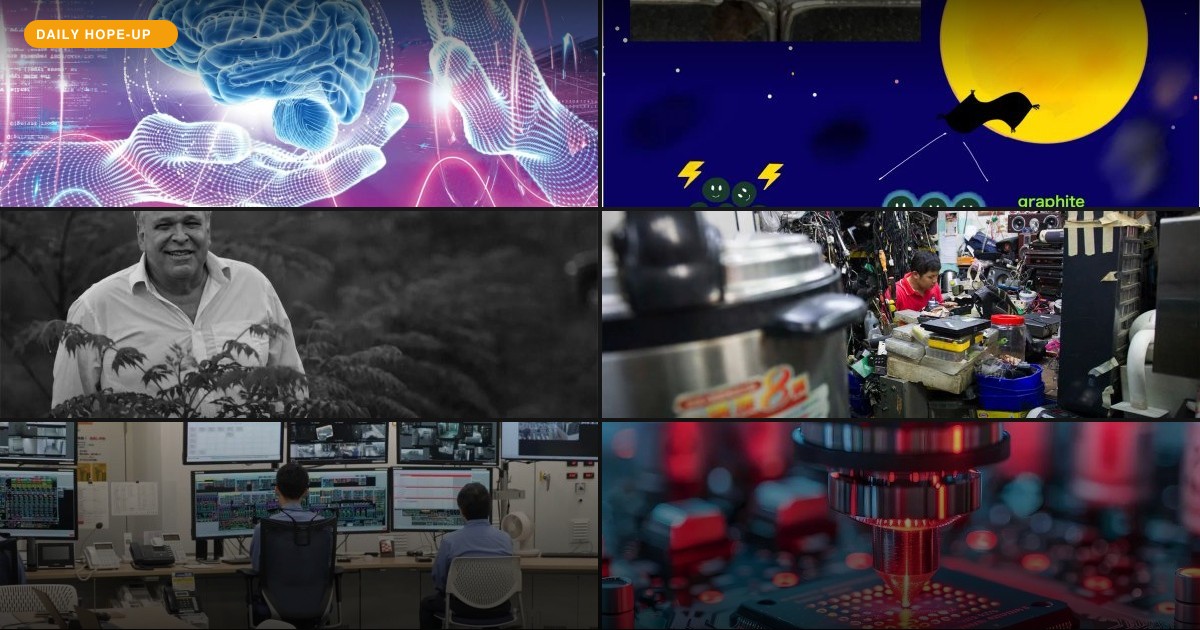
Today, it seems the world decided to show us what happens when ingenuity meets a pressing need, whether that need is a missing sense or an entire forest. From the delicate re-engineering of human perception to the steadfast protection of nature, the common thread running through the day's news is a quiet determination to make things better.
The Brain's New Frontier
Imagine feeling the texture of a loved one's hand again after years of silence. That's precisely what scientists achieved this week, as researchers found a way to give people with spinal cord injuries their sense of touch back. Using precisely targeted electrical stimulation, they're not just creating a sensation; they're restoring a fundamental human experience. This isn't theoretical future-gazing; it's happening now.
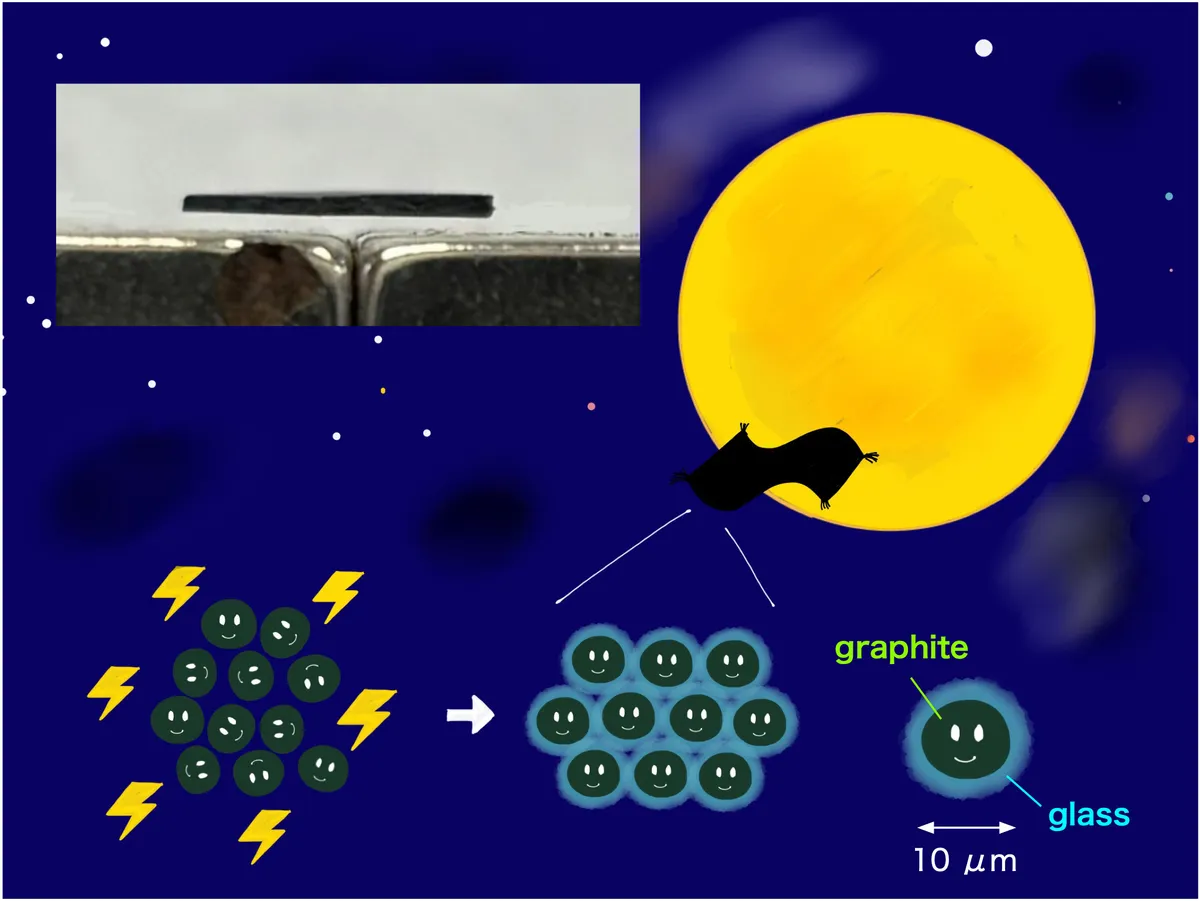
Meanwhile, in a different corner of the lab, scientists found a way to make graphite float, and then it detected an earthquake. This seemingly magical levitation, using the diamagnetic properties of graphite, isn't just a parlor trick. It's an elegant solution that offers a new, incredibly sensitive way to monitor seismic activity. These two stories, though disparate in their application, share a common spark: a deep dive into fundamental science yielding surprisingly human and practical breakthroughs. If you thought the brain and basic materials had no more secrets, this week suggests otherwise.
We're a new kind of news feed.
Regular news is designed to drain you. We're a non-profit built to restore you. Every story we publish is scored for impact, progress, and hope.
Start Your News Detox"Researchers have found that precisely targeted electrical stimulation of the brain can recreate a sense of touch in people with spinal cord injuries." — Read the full story
Unexpected Guardians of the Wild
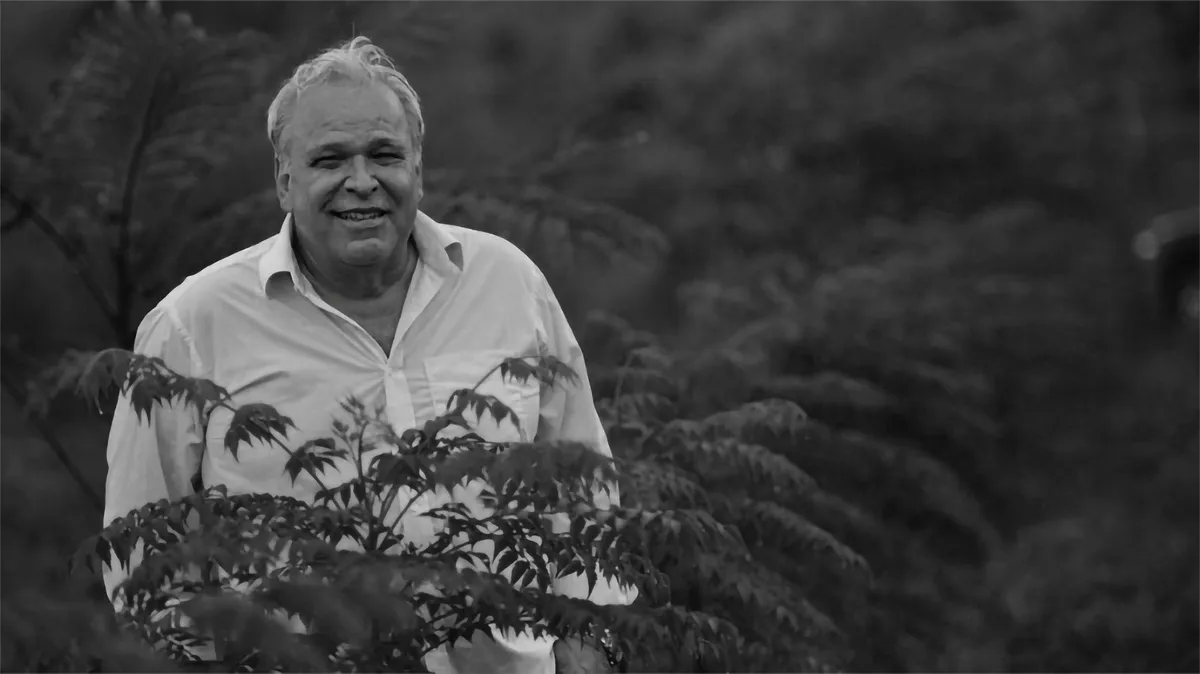
Sometimes, the greatest protectors emerge from the unlikeliest places. Take Renato Moraes de Jesus, for instance. Sent to clear a forest in Brazil in 1977, he stayed 30 years and saved it instead. What began as a timber operation became a lifelong mission of restoration, transforming a corporate directive into a testament to individual conviction. His story is a powerful reminder that conservation often starts with one person's refusal to follow the destructive path.
On the other side of the world, in Minnesota, wildlife rehabilitator Foxfeather Zenkova is also donning a surprising disguise to help nature. She's wearing an elaborate "Ugly Mom" costume to help orphaned Sandhill Cranes learn how to be wild. These painstaking efforts, from a solitary man replanting trees to a dedicated ornithologist masquerading as a bird, highlight the quiet, persistent work that underpins so much environmental progress. If you ever doubt the impact of an individual, remember the forest and the cranes.
Ingenuity Against the Odds
When resources are scarce, human ingenuity often shines brightest. In Cuba, facing fuel crises, the streets of Havana are now seeing a surge of solar-powered tricycles. These aren't just quirky vehicles; they're a practical, sustainable response to a very real challenge, echoing the nation's long history of making do with less and innovating with what's available. It's a clear signal that necessity remains the mother of some truly remarkable inventions.
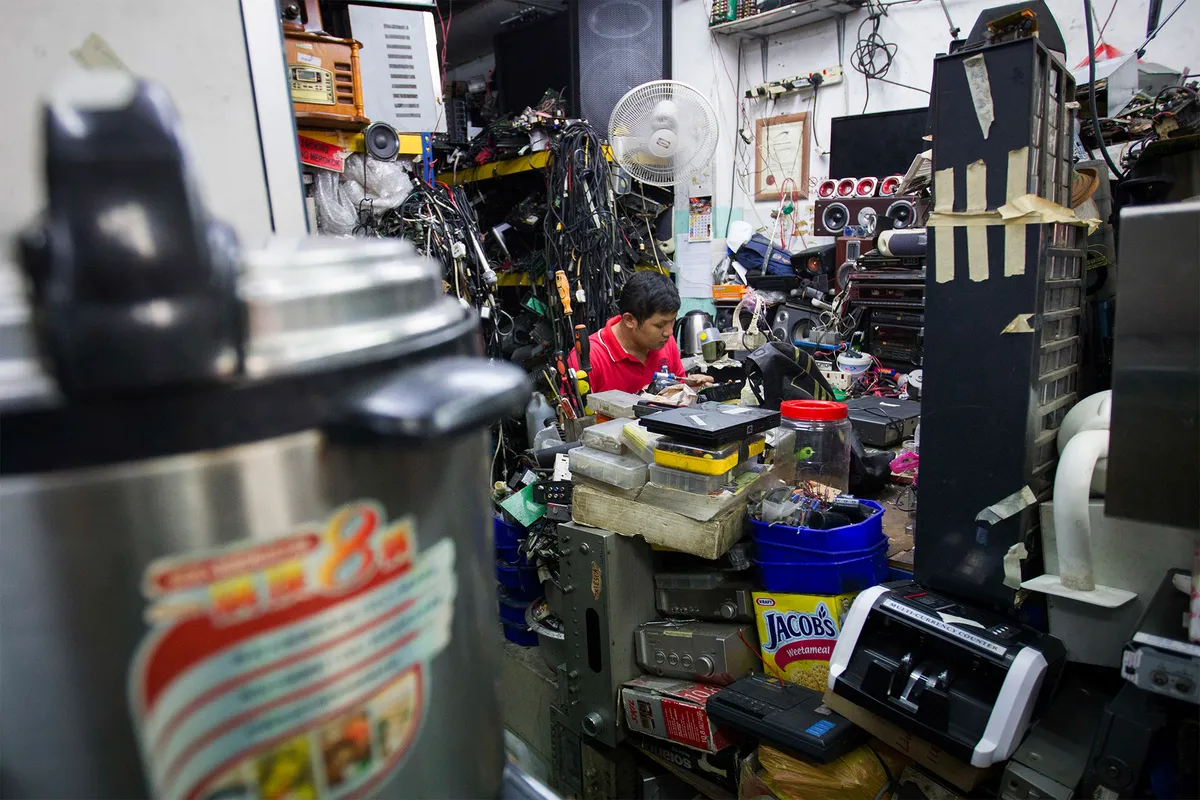
Meanwhile, in Malaysia, a different kind of resourcefulness is at play: the determination to protect its environment from the consequences of others' waste. After a shipping container declared as tin ore caught fire, revealing a load of scorched electronics, Malaysia clamped down with a total e-waste import ban. This isn't just a local policy; it's a global statement against the toxic trade that often disproportionately impacts developing nations. If you're looking for examples of resilience and self-advocacy, these stories offer a potent reminder that solutions often arise when communities decide to take control.
Hope stat: 30 years — the amount of time one man spent restoring a Brazilian forest he was sent to clear.
*Watch this space: The continued evolution of AI applications, especially in countries facing demographic shifts, will be fascinating to observe as Japan pioneers solutions for its aging society.