Imagine the scene: a shipping container pulls into Port Klang, Malaysia, supposedly packed with nice, respectable tin ore. Then it decides to spontaneously combust. Firefighters pry it open, and lo and behold, it's not tin ore. It's a smoldering pile of electronic waste. Because apparently, that's where we are now.
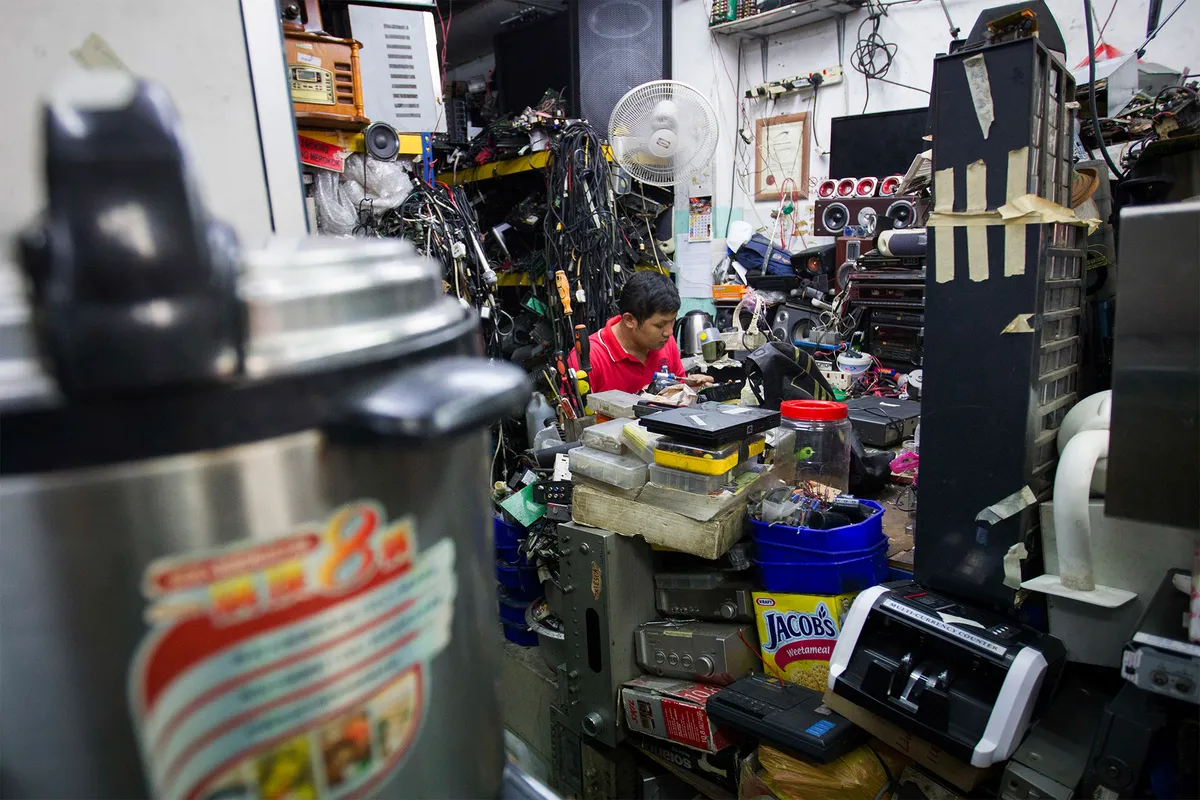
This wasn't an isolated incident, just a particularly dramatic one. For years, investigators have watched, eyebrows raised, as containers with suspiciously vague paperwork sailed into Malaysia, often carrying illegal e-waste disguised as something far less toxic. Smugglers, ever the innovators, have been calling dangerous garbage "raw materials" on official documents for a good long while.
No More (Un)Happy Accidents
This fiery reveal, however, ran headfirst into a new reality. As of April 1, 2026, Malaysia enacted a total ban on e-waste imports. It's part of a shiny new Customs Order, designed to keep the country from becoming the world's least favorite dumping ground for old laptops and defunct microwaves. The ban means no more pretending e-waste is anything other than what it is: a problem someone else should deal with.
We're a new kind of news feed.
Regular news is designed to drain you. We're a non-profit built to restore you. Every story we publish is scored for impact, progress, and hope.
Start Your News DetoxOf course, bans are one thing; actual enforcement is another. Malaysia's ports are bustling, seeing millions of containers annually. Smugglers, bless their persistent hearts, are still trying to sneak their toxic treasures in, often hiding behind the guise of legitimate "green businesses." Which, if you think about it, is both impressively audacious and deeply cynical.
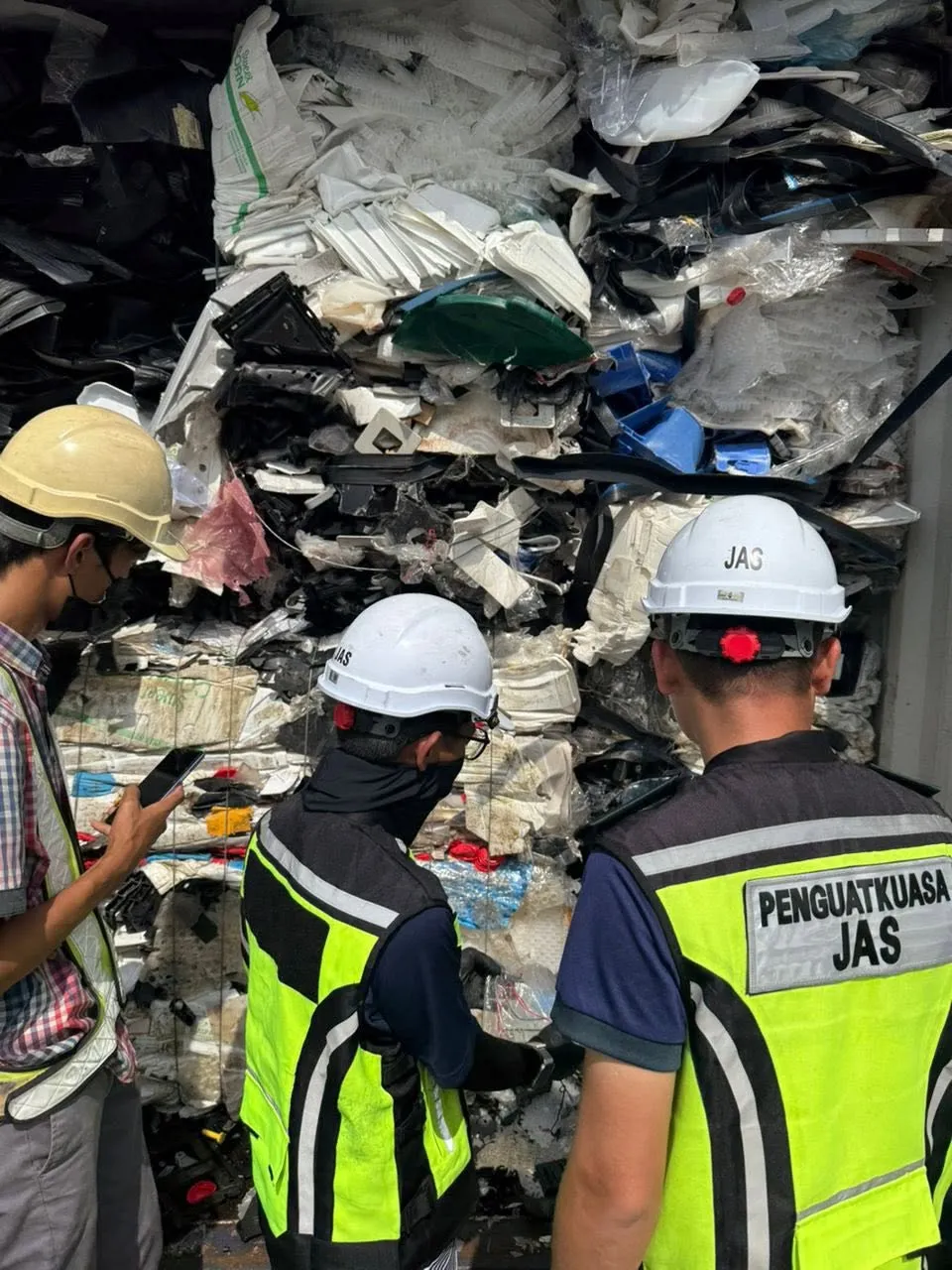
Nik Ezanee Mohd Faisal, the head honcho at the Malaysian Border Control and Protection Agency (AKPS), put it plainly: you can't exactly pat down every single container. So, they formed a special team called Op Green Shield.
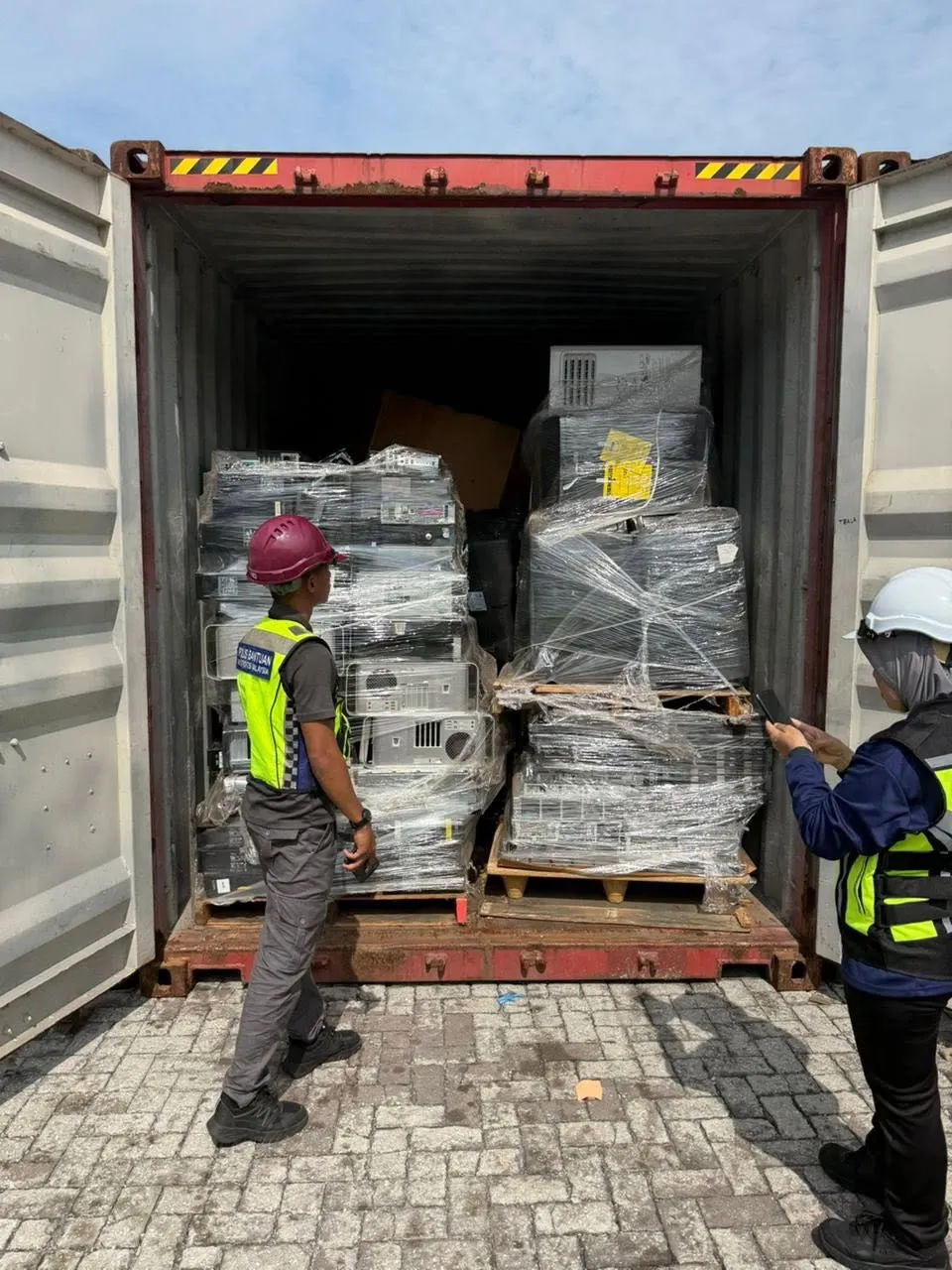
This team has been busy. Between January 26 and July 7, they inspected 685 containers. Their diligence uncovered 143 of them packed with a staggering 3,370 short tons (that's 3,057 metric tons) of e-waste. Let that satisfying number sink in. All of it has been sent right back to where it came from. Another 531 containers are reportedly next in line for a return trip. Because apparently, some garbage just isn't welcome.