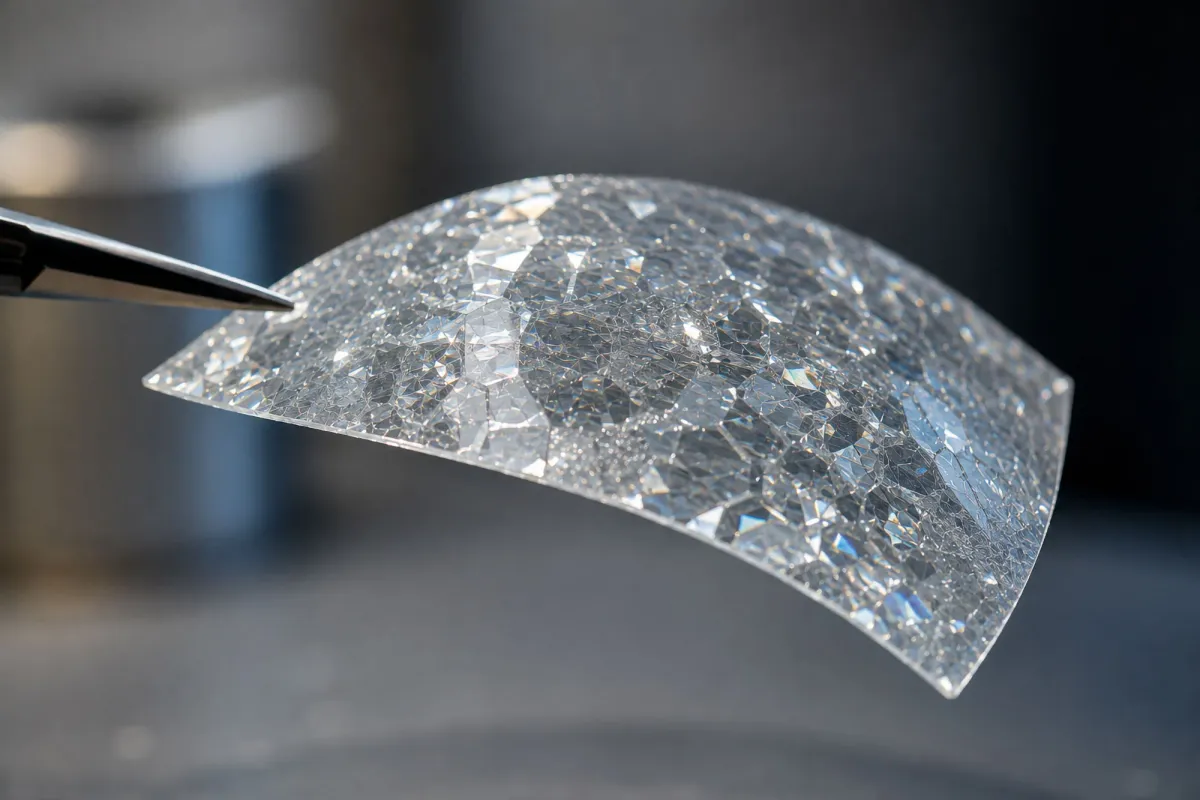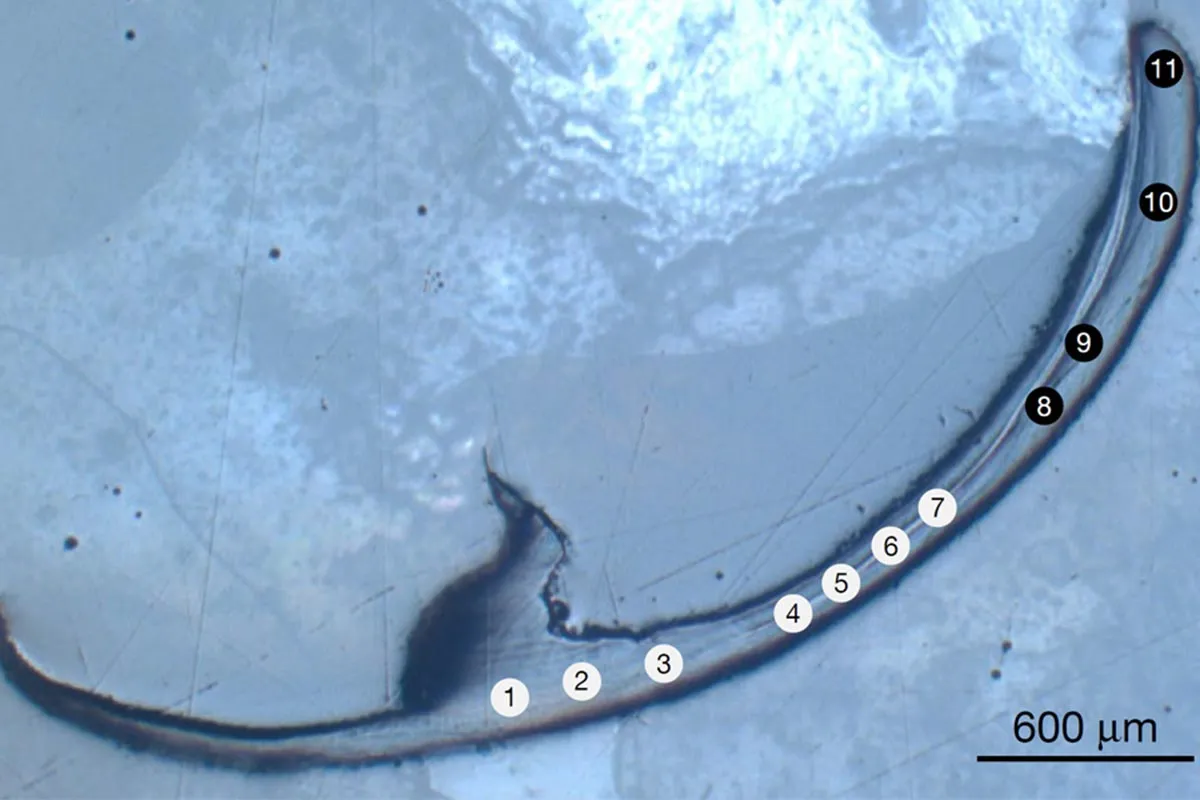
Deep-sea sponges are inspiring new metamaterials. Researchers from UC Berkeley and Harvard University are using the Venus' flower basket sponge to create materials that are both strong and good at managing fluids.
These new metamaterials could help industries make lighter, high-performance materials. This includes parts for airplanes and even medical devices.
How Deep-Sea Sponges Inspire Design
The glass sponge, Euplectella aspergillum, has a skeleton that is both tough and flexible. It lives deep in the ocean, enduring high pressure and strong currents for thousands of years. This unique structure is lightweight and has a special lattice shape. It helps the sponge survive and also guides water flow to catch food.
We're a new kind of news feed.
Regular news is designed to drain you. We're a non-profit built to restore you. Every story we publish is scored for impact, progress, and hope.
Start Your News DetoxResearchers wanted to create a material that copied these properties. They aimed for a lightweight structure that could handle strong forces without breaking. They also wanted it to manage fluid flow without causing vibrations.
When wind or water flows around objects, it can create swirling patterns called vortices. These can make structures vibrate, causing stress and fatigue. The team wanted a design where water flows smoothly, preventing these vibrations.
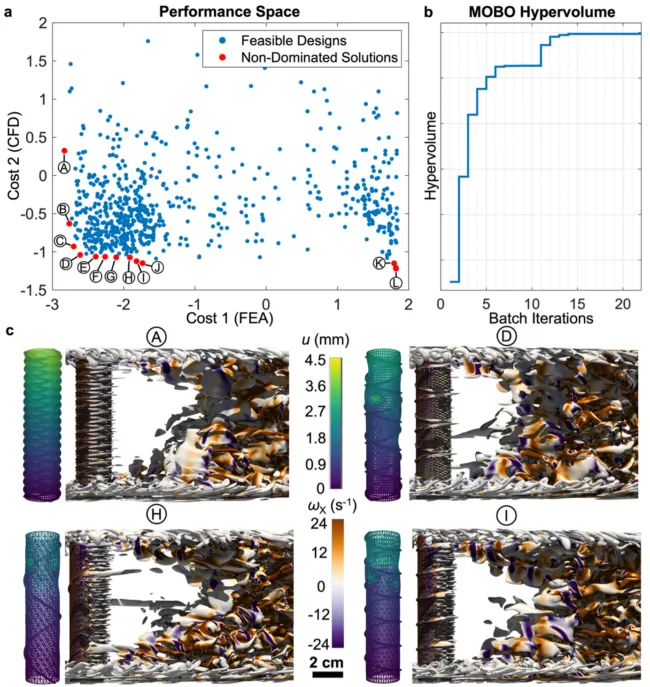
To achieve this, the researchers built a computer framework. It combines tools for analyzing mechanics and fluid dynamics with optimization capabilities. Users can tell the system what features they want to optimize. The framework then tests hundreds of designs through simulations, improving them over time.
The team also 3D-printed the optimized material. They tested its strength and fluid management in real-world conditions to confirm their simulations.
Stronger Materials, Less Vibration
Tests showed that the new metamaterial significantly improved. The buckling load, which is the force a structure can carry, increased by about 140%. Even with only 5% open area, the material greatly reduced vortex shedding. This means it could suppress vibrations without losing structural stability. For example, a nearly solid cylinder with helical ridges and just 5% open area was enough to significantly suppress vibrations.
This framework could lead to new metamaterials for many uses. These include support structures for underwater pipelines and medical stents. It could also be used for aircraft wings and helicopter rudders, where flow-induced vibration is a problem.
This work shows how much we can learn from nature's designs. It represents a big step forward in creating new, multi-functional metamaterials.
Deep Dive & References: As reported in Nature Communications - Nature Communications, 2026