Today, it seems the world decided to get serious about protecting what matters most — and that includes everything from our own skin to the vast, blue depths of the ocean. While the headlines often shout about what's going wrong, this week offered a quieter, more determined hum of progress.
The Unsung Heroes of Conservation
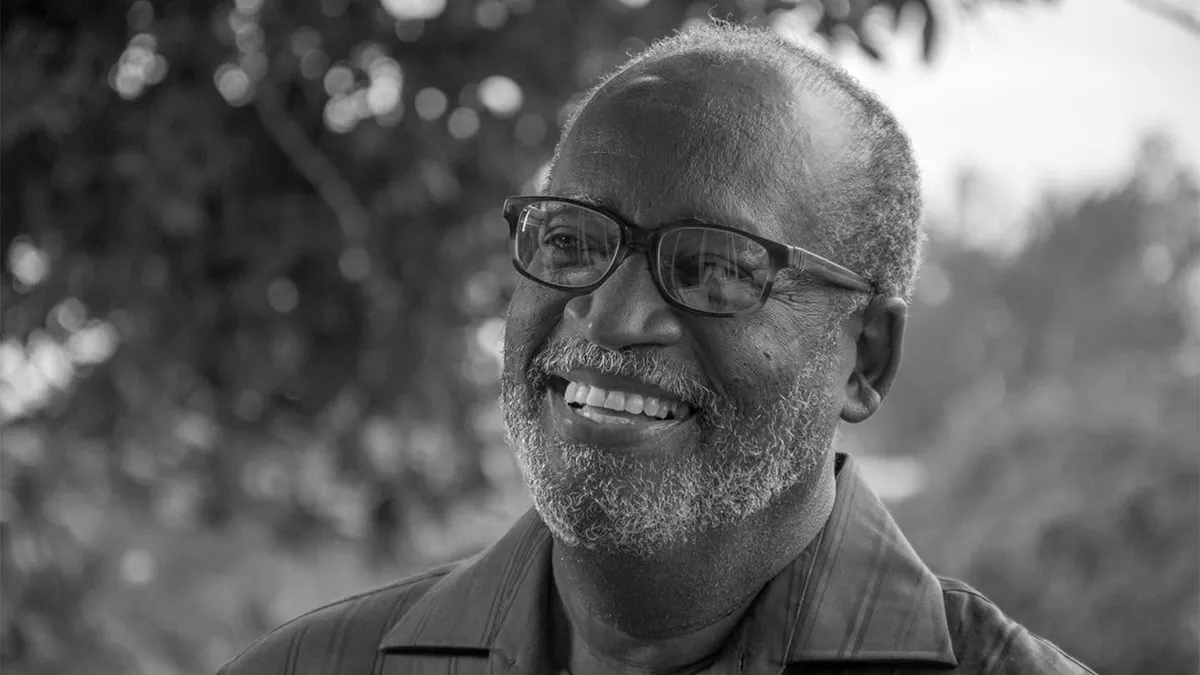
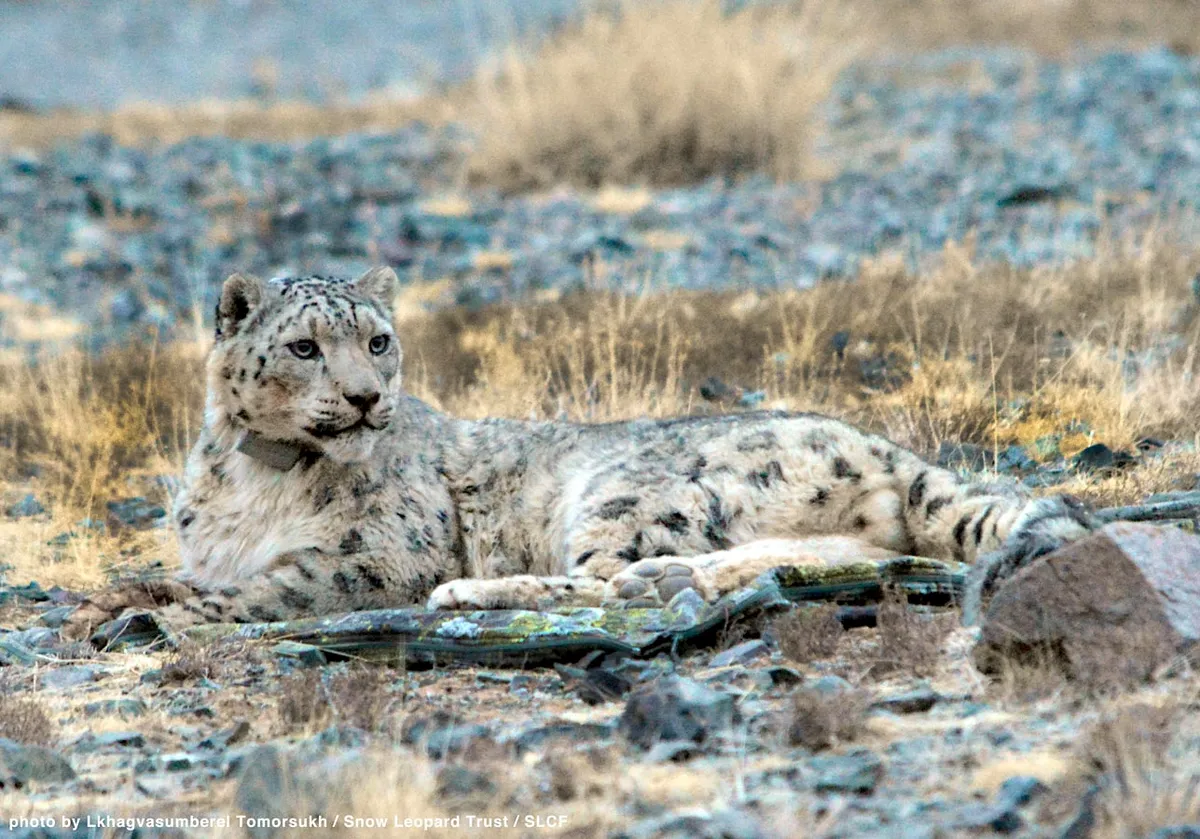
It’s easy to feel overwhelmed by environmental threats, but this week, several stories reminded us that dedicated individuals are still winning battles, sometimes one sea turtle or snow leopard at a time. In Cuba, for instance, marine biologist Flix Guillermo Moncada Gavilán spent decades shifting his nation from a place that hunted sea turtles to one that actively protects them. His work helped turn a fishery into a conservation success story. Meanwhile, high in the Indian Himalayas, a group of Indigenous women are saving snow leopards by combining their intimate traditional knowledge with modern camera traps. They know the mountains, the animals, and precisely where to set up equipment, proving that the most effective conservation often happens at the local level. These aren't abstract efforts; they're grounded in deep respect for the natural world and a willingness to put in the often-thankless work.
This means that real change isn't always about grand international treaties; it's often about persistent, local action that slowly but surely shifts the tide.
We're a new kind of news feed.
Regular news is designed to drain you. We're a non-profit built to restore you. Every story we publish is scored for impact, progress, and hope.
Start Your News Detox"For much of the 20th century, Cuba’s sea turtles were treated as a fishery. Green turtles were taken for meat, and hawksbills for the patterned shell used in jewelry and ornaments. In the 1980s, legal fisheries landed an average of 836 metric tons a year. Research focused in part on how the catch might be sustained. Today, the country is a leader in marine protection." — Read the full story
Tiny Discoveries, Massive Implications
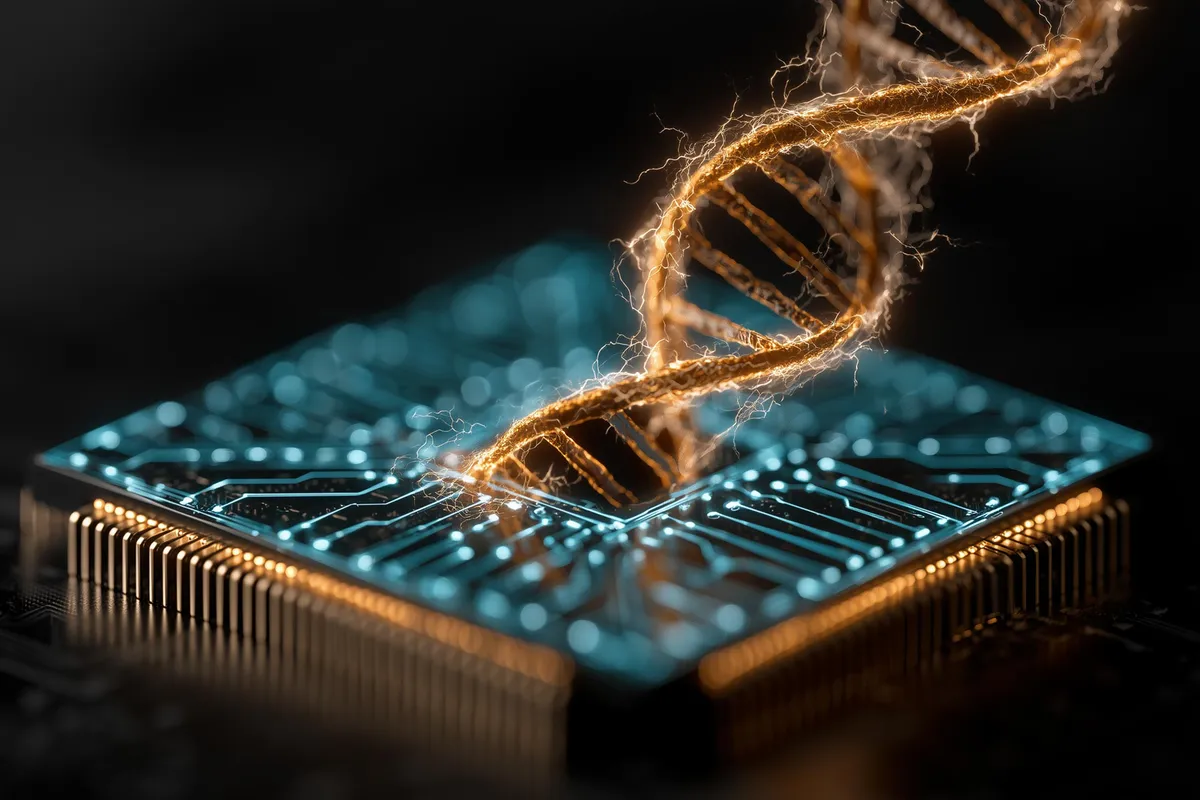
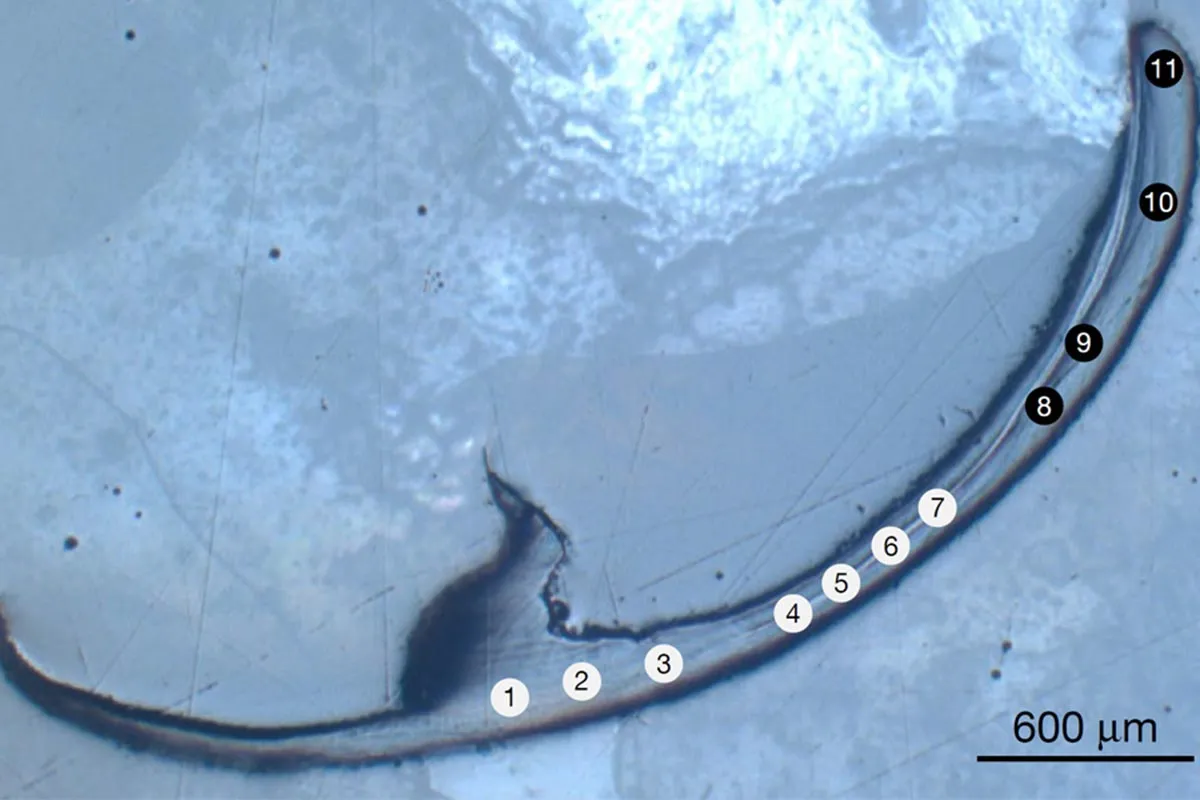
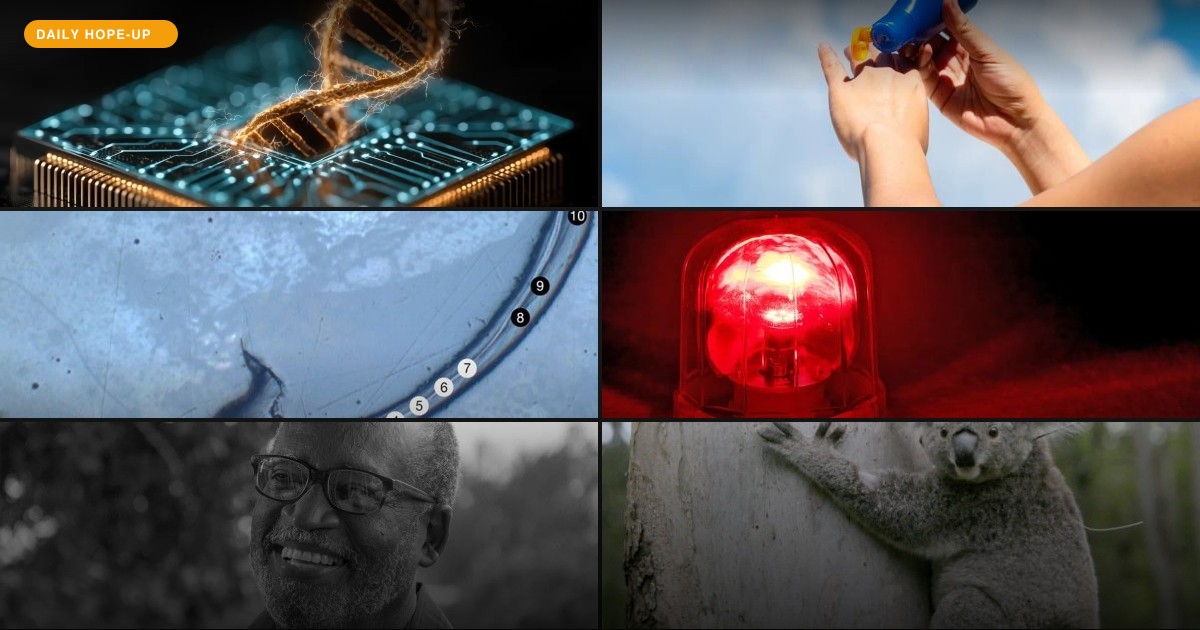
Sometimes, the biggest breakthroughs come from the smallest places – like a sea worm’s jaw or a silicon chip. Harvard scientists just developed a silicon chip that writes DNA using electricity and water, a cleaner, more efficient way to manufacture the building blocks of life. This isn't just a lab curiosity; it points to a future where biotechnology is less resource-intensive and more accessible. And speaking of tiny wonders, a seemingly unassuming sea worm's jaw just redefined what a metal can be, revealing a new class of natural material. This kind of biomimicry often leads to surprising advancements in engineering and materials science.
These seemingly niche discoveries mean that even the smallest corners of nature and science hold keys to unlocking cleaner industries and stronger materials for our future.
Getting Ahead of the Problem
It turns out, our bodies are smarter than we give them credit for, and sometimes, so is policy. Researchers found that your brain knows a virus is coming before it even arrives, essentially prepping the immune system for battle. This incredible foresight from our own biology offers new avenues for understanding and potentially bolstering our defenses. On a more external front, the FDA finally approved a new sunscreen ingredient after 20 years. While it might seem like a small bureaucratic step, this approval means broader, more effective protection against skin cancer, catching up with European standards that have long offered superior sunscreens. It’s a quiet victory for public health, demonstrating that even slow-moving institutions can eventually adapt to better protect us.
This suggests that both our biology and our institutions are learning to be more proactive, protecting us before problems fully manifest.
Hope stat: 20 — years it took for the FDA to approve a new, more effective sunscreen ingredient, a small but significant win for public health.
Watch this space: The continued advancements in DNA manufacturing could dramatically accelerate personalized medicine and sustainable bio-production in the coming years.