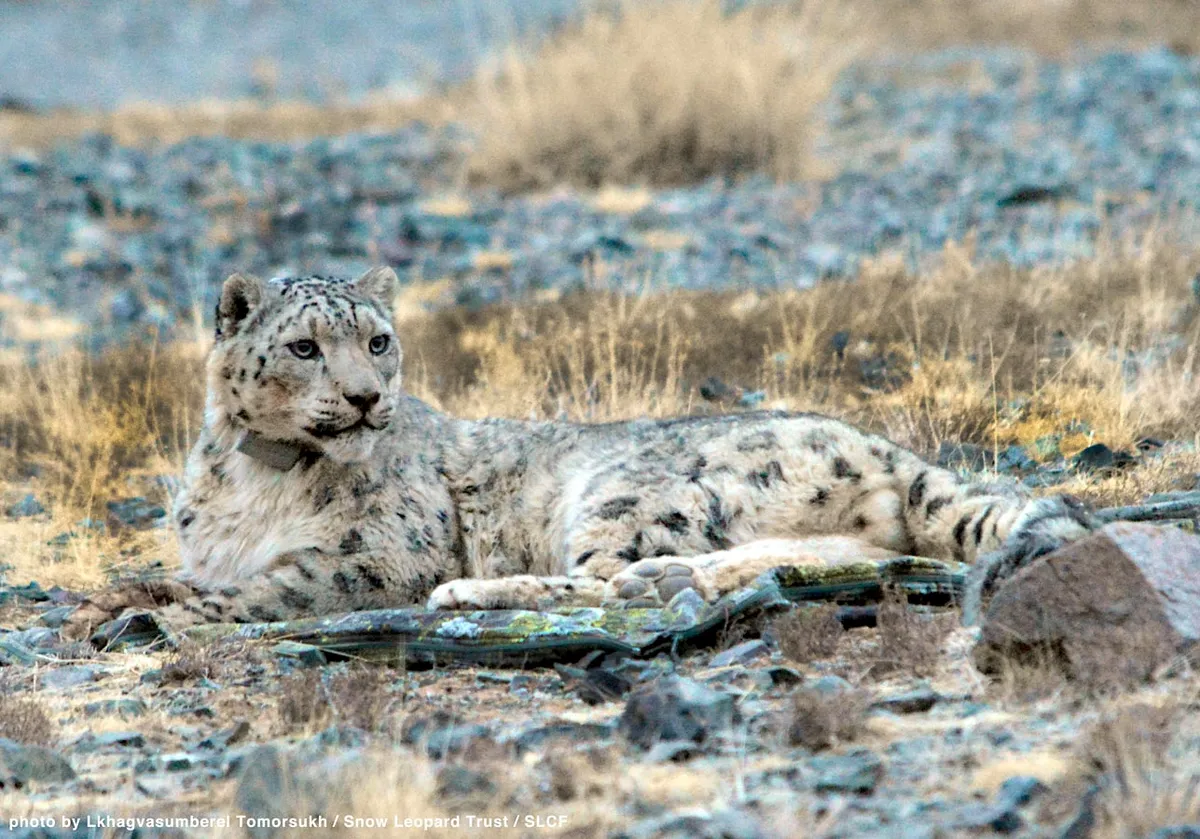
In India's Spiti Valley, a team of 11 Indigenous women from the Kibber community are doing something pretty extraordinary: they're climbing treacherous mountain cliffs to set up camera traps, all in the name of snow leopard conservation. And they're doing it with a blend of ancient wisdom and modern tech that frankly, puts most research teams to shame.
These aren't formally trained scientists in lab coats. These are women who've spent their lives navigating the same icy, steep terrain that snow leopards call home. They know every hidden trail, every likely animal path, every treacherous patch of ice. This isn't just local knowledge; it's a living, breathing GPS system for where to place a camera to catch a glimpse of one of the world's most elusive big cats. Because apparently, the best way to track an apex predator is to ask the people who've been sharing its backyard for generations.
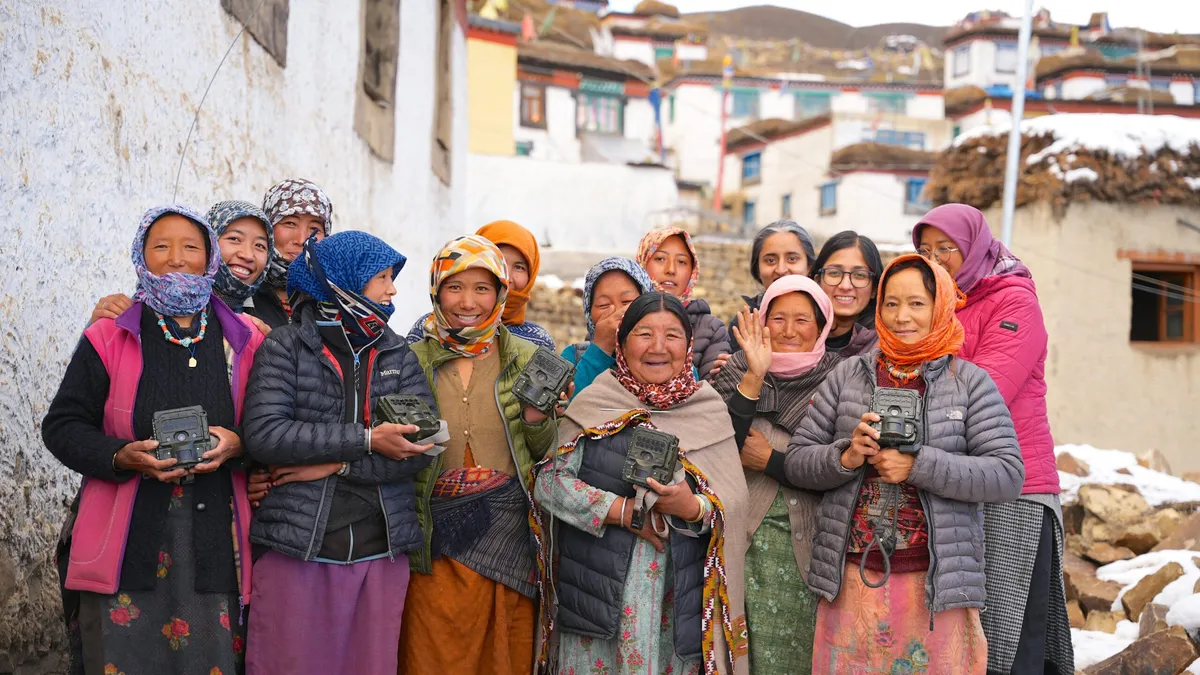
Back in the village, the work continues. The younger women, who are fluent in the language of screens and pixels, organize the deluge of photos. Then, together, they pore over the images, identifying individual snow leopards by the unique patterns on their coats – like a natural fingerprint. It's a meticulous process that builds serious scientific monitoring skills, all while contributing to regional and global studies of these magnificent, endangered animals. Lobzang Yangchen, who coordinates the team, rightly beams about their dedication.
We're a new kind of news feed.
Regular news is designed to drain you. We're a non-profit built to restore you. Every story we publish is scored for impact, progress, and hope.
Start Your News DetoxThese women aren't just protecting a species; they're proving that the most effective conservation often comes from the people who live closest to the wild. They manage livestock, farm, run households, and then, just for good measure, they scale mountains to save snow leopards. Which, if you think about it, is both impressive and slightly terrifying for anyone who struggles with their morning commute. And it makes you wonder what other secrets the mountains are holding, just waiting for the right people to listen.