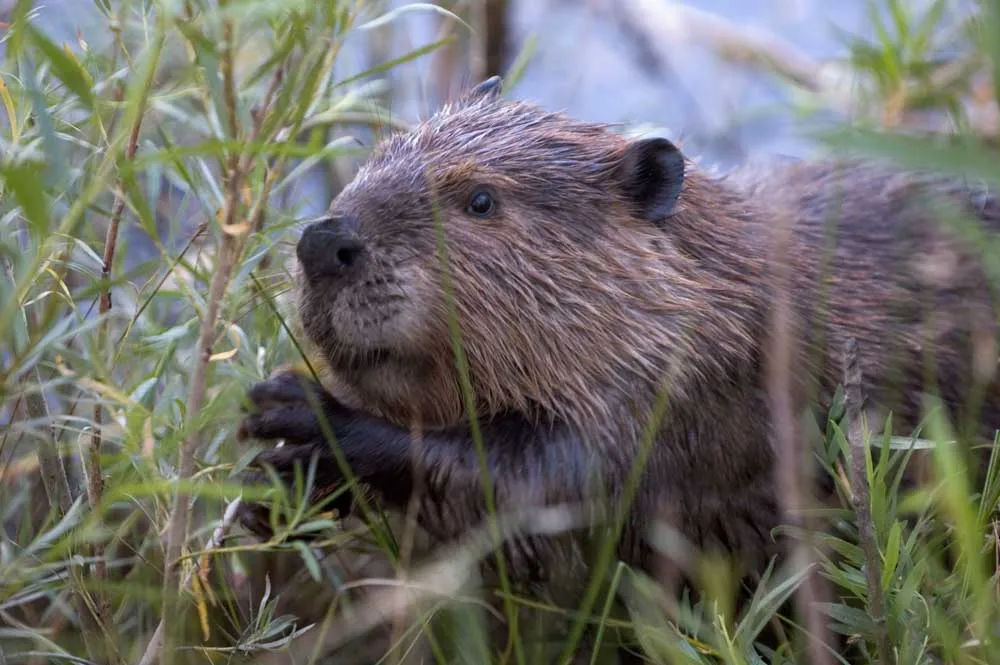
You probably picture beavers as the industrious architects of freshwater rivers and lakes, gnawing down trees and building dams that would make a civil engineer nod approvingly. Well, turns out they've been moonlighting. New research shows these furry little ecosystem engineers are absolutely crushing it in estuaries and tidal wetlands, too.
Yes, the very places where saltwater sloshes in twice a day, changing everything. Because apparently that's where we are now: beavers as tidal architects.

The Swamp-Loving Rodents
Greg Hood, an estuarine ecologist, decided to look where others weren't. For decades, estuarine scientists focused on marshes and eelgrass, while beaver biologists stuck to streams and lakes. Neither group, it seems, spent much time slogging through the "tidal shrub and forest habitats" — or tidal swamps, as they're less formally known. Which, to be fair, sound like a nightmare to navigate.
We're a new kind of news feed.
Regular news is designed to drain you. We're a non-profit built to restore you. Every story we publish is scored for impact, progress, and hope.
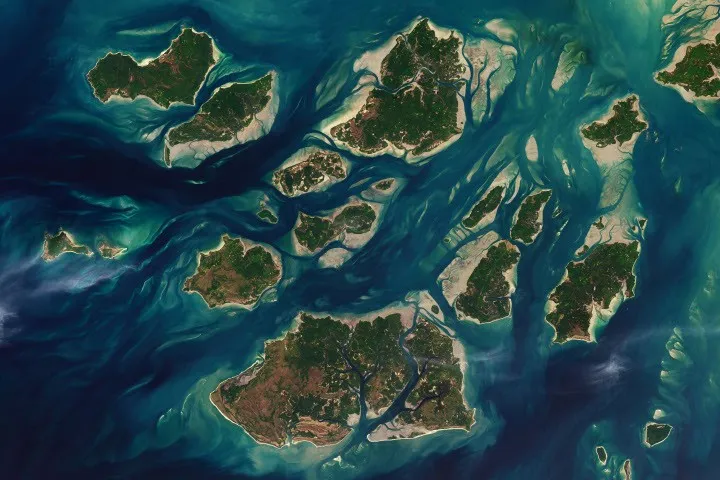
Start Your News DetoxBut Hood went there, and what he found was a thriving, dam-building beaver population all along the Pacific Northwest coast, from British Columbia down through Washington and Oregon. In fact, in some tidal channels of the Snohomish and Skagit rivers, he found twice the density of beaver dams compared to regular, non-tidal rivers. Let that satisfying number sink in.
These tidal dams are shorter than their freshwater cousins, which makes sense when you consider they're designed to be flooded at high tide. Their genius lies in trapping water during the low tides, ensuring the beavers can keep doing whatever it is beavers do when the water recedes. Which, if you think about it, is both impressive and slightly terrifying. It's like finding out your local barista is also a secret master chef. You just didn't see it coming.

So next time you're near a tidal swamp, keep an eye out. You might just spot North America's most underrated multi-habitat engineers, proving once again that nature finds a way, even when scientists aren't looking.