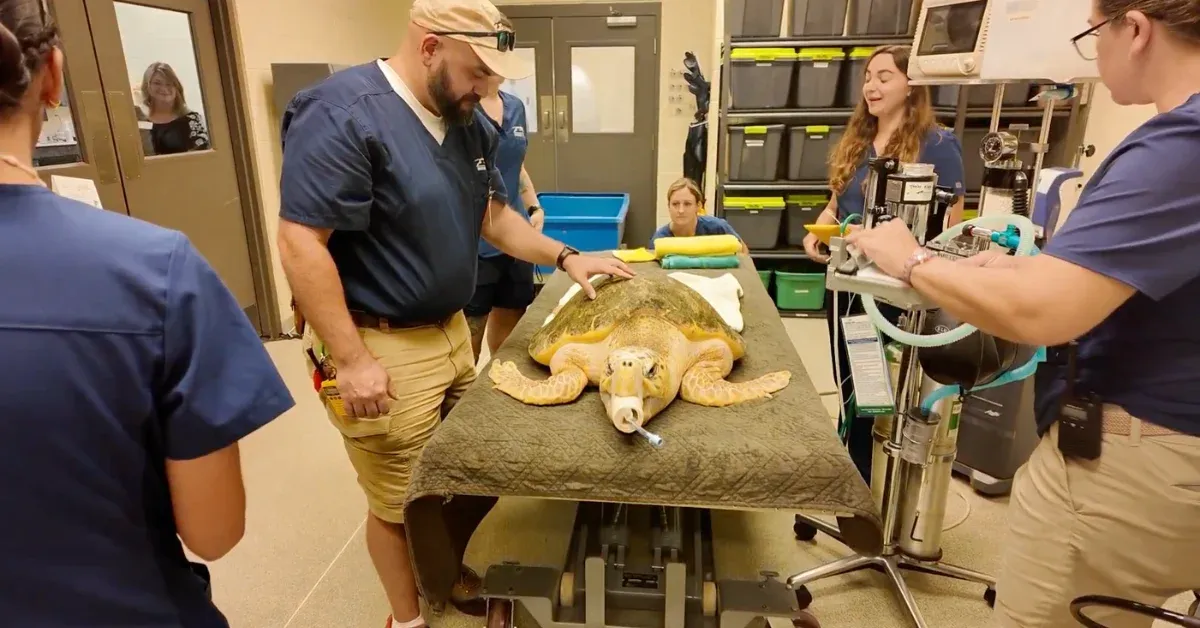
Sophia, a loggerhead sea turtle weighing a respectable 114 pounds, arrived at Brevard Zoo's rehabilitation center with a rather unfortunate souvenir collection: over 20 fishing hooks and a tangle of line lodged deep in her digestive system.
The zoo's vets managed to extract a couple of the more accessible hooks, but the rest were playing hide-and-seek in places only a contortionist could love. Enter Orlando Health, whose unexpected donation just might turn Sophia's luck around.
When Human Tech Meets Turtle Troubles
Orlando Health Regional Medical Center's Endoscopy Unit, in a move that proves medical innovation isn't just for us bipeds, donated some serious endoscopy equipment. We're talking about the kind of gear usually reserved for peering inside human guts, but now repurposed for creatures with unique, shell-encased anatomies.
We're a new kind of news feed.
Regular news is designed to drain you. We're a non-profit built to restore you. Every story we publish is scored for impact, progress, and hope.
Start Your News DetoxDr. George Christophi, a gastroenterologist from Orlando Health Melbourne Hospital, expressed his honor in collaborating with the zoo. Apparently, sharing expertise isn't just good for the soul; it's also excellent for getting fishing hooks out of turtles. This advanced equipment, featuring a long, flexible tube with a camera and light, gives vets an unprecedented view inside a sea turtle, allowing for far more precise foreign object removal than ever before.
This isn't just about fancy tools, though. It's also sparking some cross-species medical collaboration. Zoo vets and human doctors are now teaming up, sharing insights that could revolutionize how we treat marine animals. Dr. Rachel Turner, the Brevard Zoo's director of veterinary programs, highlighted how this partnership isn't just saving turtles, but also significantly boosting marine animal medicine in the region. Because apparently, even turtles deserve cutting-edge care.
Sophia's Big Procedure
Sophia is set to be the first beneficiary of this medical mashup. With Dr. Christophi on standby, the team will attempt to remove more of those stubborn hooks, or at least snip the wires still causing trouble. Dr. Christophi, with a dry wit, admitted he had to bone up on turtle anatomy pretty quickly. The main challenge? That giant shell, which makes the digestive tract a bit of a maze, complete with a surprisingly sharp turn from esophagus to stomach. Who knew?
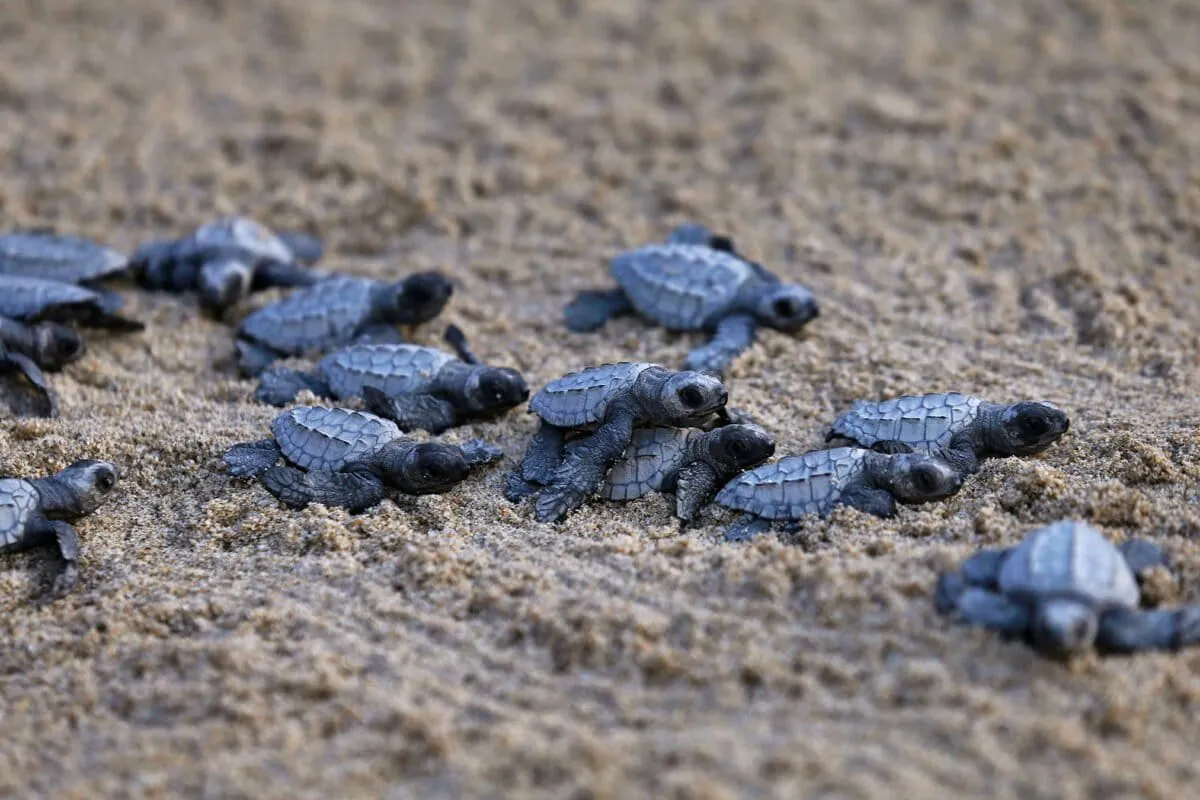
Like all the sea turtles at the center, the ultimate goal for Sophia is a triumphant return to the ocean. The center sees hundreds of sick and injured turtles annually, many of them victims of boat strikes and, you guessed it, improperly discarded fishing gear. While conservationists preach safe water practices, it's these medical experts who are literally pulling hooks out of the problem.
Dr. Christophi finds helping these sea turtle patients incredibly rewarding. It's a testament, he says, to how medical innovation and teamwork can benefit the wider community—not just the two-legged kind. Which, if you think about it, is both impressive and slightly terrifying for anyone who's ever swallowed something they shouldn't have.