Today, it seems the world decided to give the ocean a collective pat on the back. From vast marine ecosystems finding their footing again to individual sea creatures getting a second chance, the stories coming in felt like a concerted effort to right some long-held wrongs.
The Great Blue Comeback
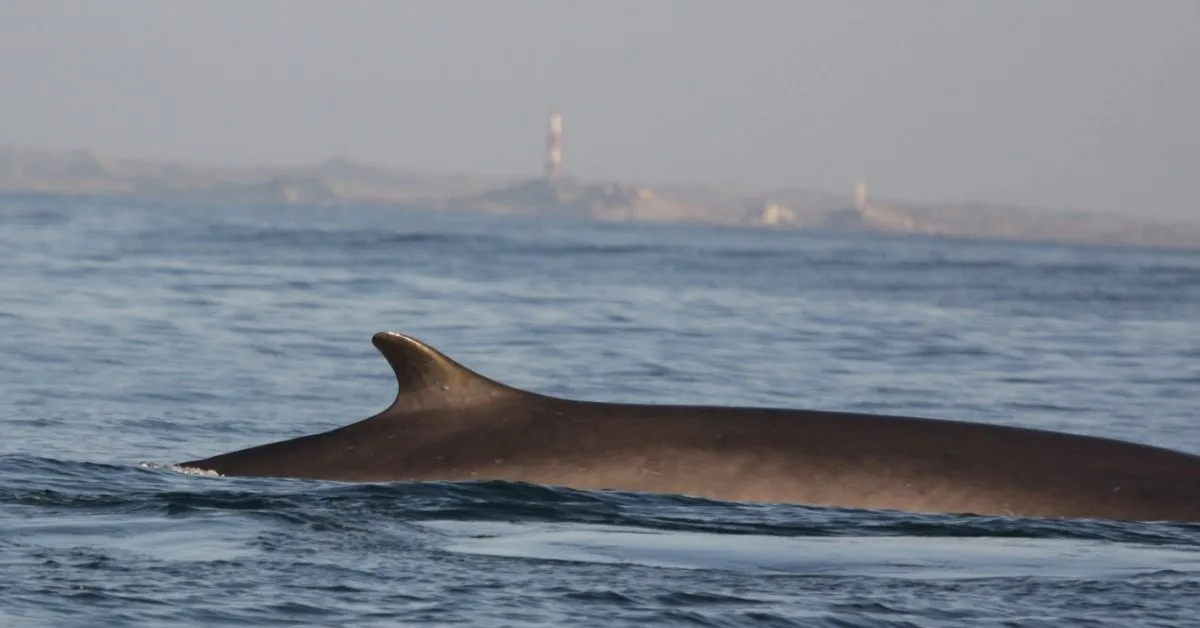
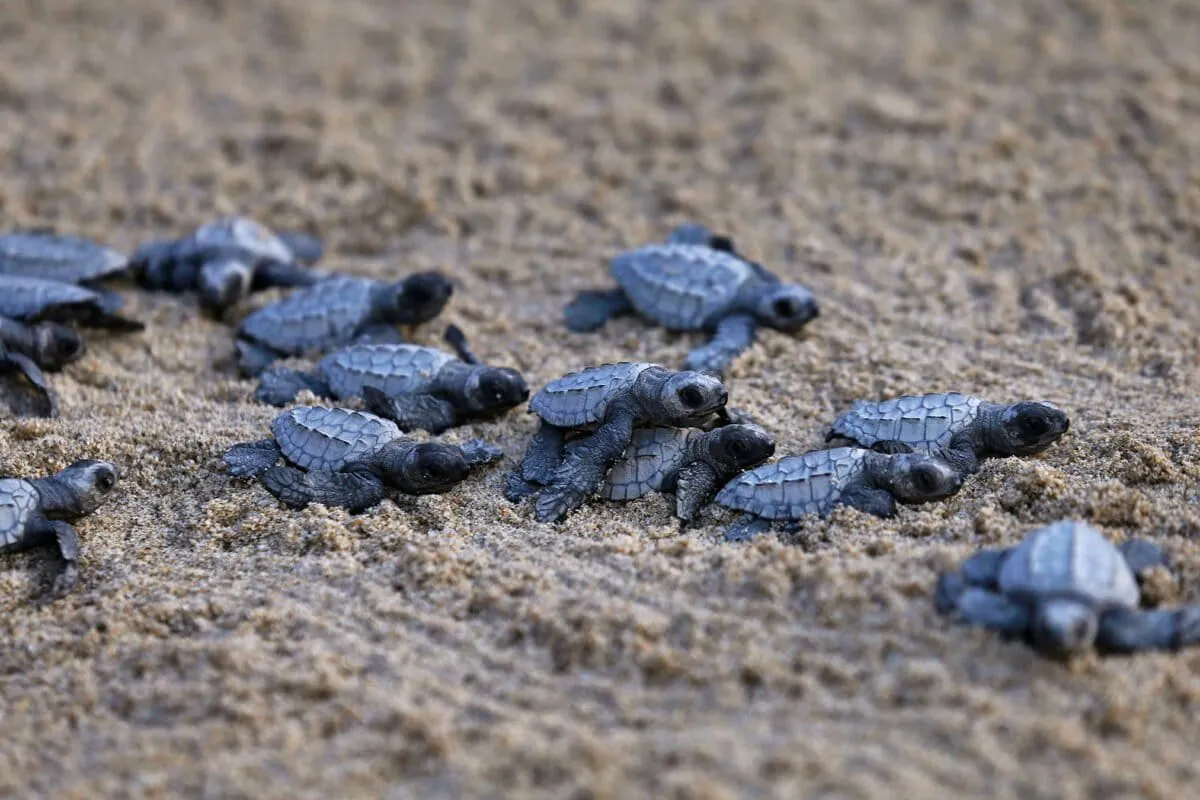
Off the coast of Southern Africa, something truly remarkable is happening: blue whales and fin whales are making a comeback. These gentle giants, pushed to the brink by 20th-century commercial whaling, are now being sighted with increasing frequency. It's a testament to decades of conservation efforts, proving that when we give nature a chance, it often knows just what to do. Meanwhile, in the Philippines, a village that once treated sea turtle eggs like toys is now actively protecting them, helping hatchlings make their perilous journey to the sea. Jerald Mahusay, who grew up playing with those eggs, is now part of the solution, showing how local communities are often the most powerful force for change. And for one particular sea turtle in Orlando, a human gastroenterologist stepped in with tech meant for humans to save her life after she swallowed 20 fishing hooks. These stories remind us that conservation isn't just about grand policies; it's about individual acts of care and the slow, steady hum of recovery. If you’ve been feeling overwhelmed by the sheer scale of environmental challenges, this week offers a clear signal that persistence pays off.
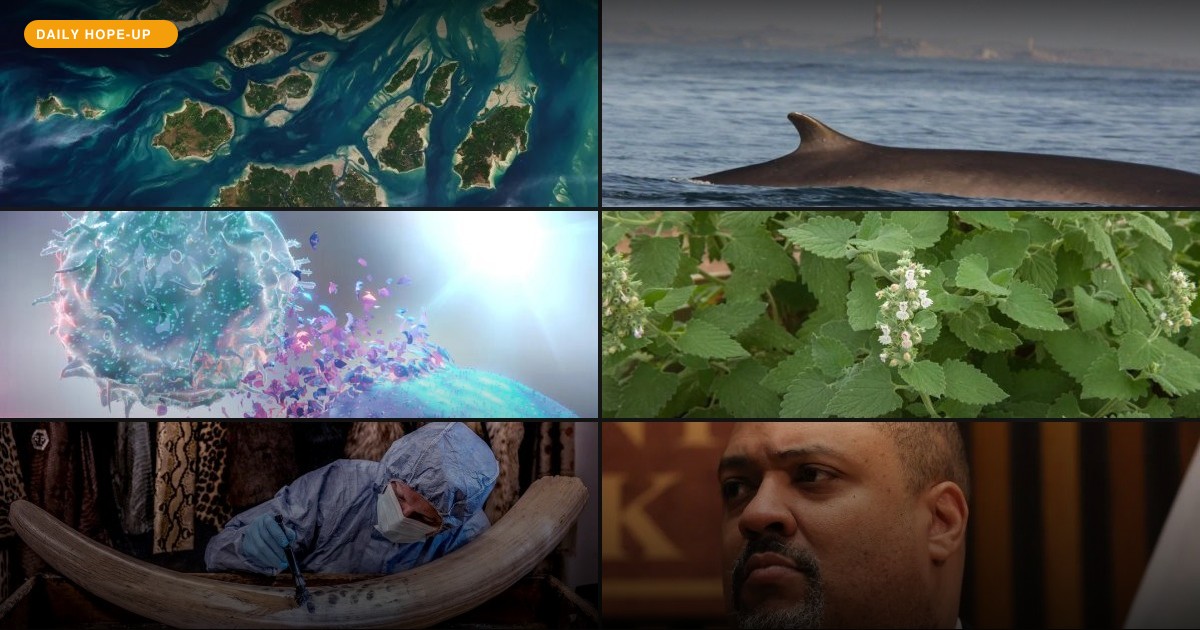
"Sightings of blue whales and fin whales off Southern Africa’s Atlantic coast have increased in recent years, according to a newly published study. This could signal recovery of the marine mammals after being virtually eliminated from the area by commercial whaling in the 20th century." — Read the full story
Wait—What is Brightcast?We're a new kind of news feed.
Regular news is designed to drain you. We're a non-profit built to restore you. Every story we publish is scored for impact, progress, and hope.
Start Your News Detox
Nature's Unsung Infrastructure
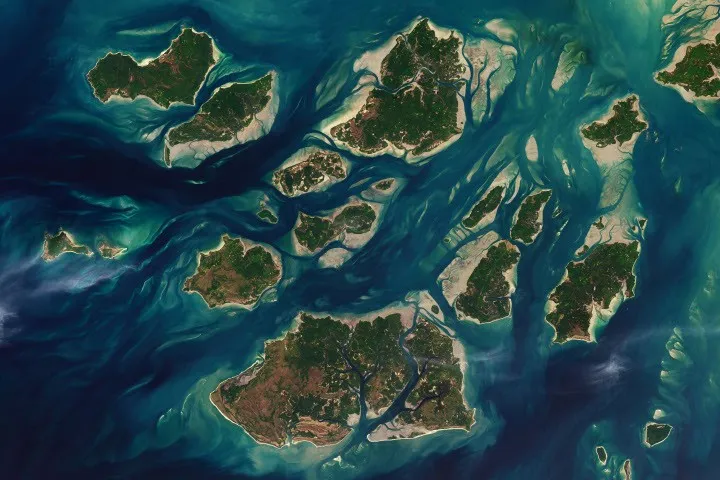
Beyond the charismatic megafauna, the very infrastructure of our planet's wild spaces is proving its resilience. The Bijagós archipelago in Guinea-Bissau, with its expansive mudflats and mangrove forests, isn't just a pretty picture; it's a vital superhighway for migratory shorebirds and sea turtles, demonstrating the critical role these specific ecosystems play. And far from the ocean, in the US-Mexico borderlands, ancient rock structures are being revived to restore biodiversity. Local rancher Eduardo Ríos Colores is witnessing firsthand how these historical methods are bringing life back to parched landscapes, proving that sometimes, the best solutions are the ones we've known for centuries. It turns out that listening to the land (and the tides) can offer profound lessons in resilience. If you've wondered how to make a real difference, remember that sometimes it's about preserving what's already working, or simply letting nature do its thing.
Ingenuity, Unexpectedly Applied
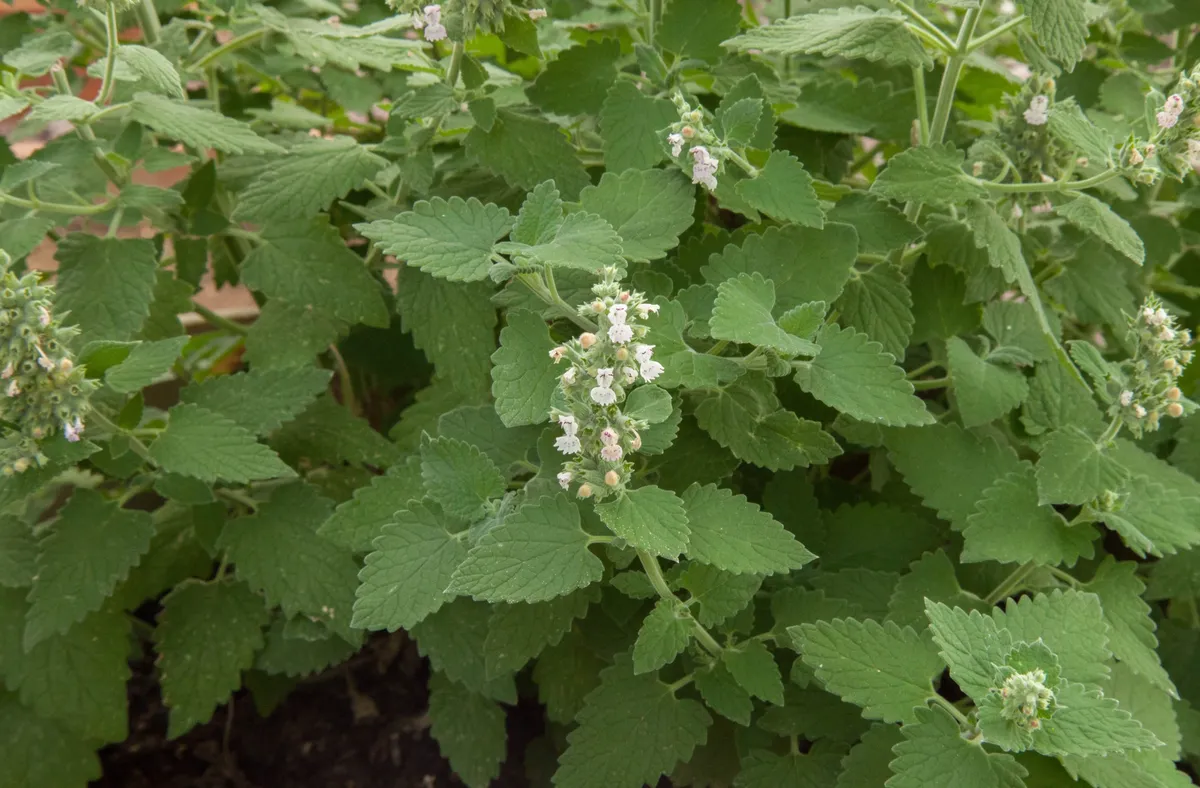
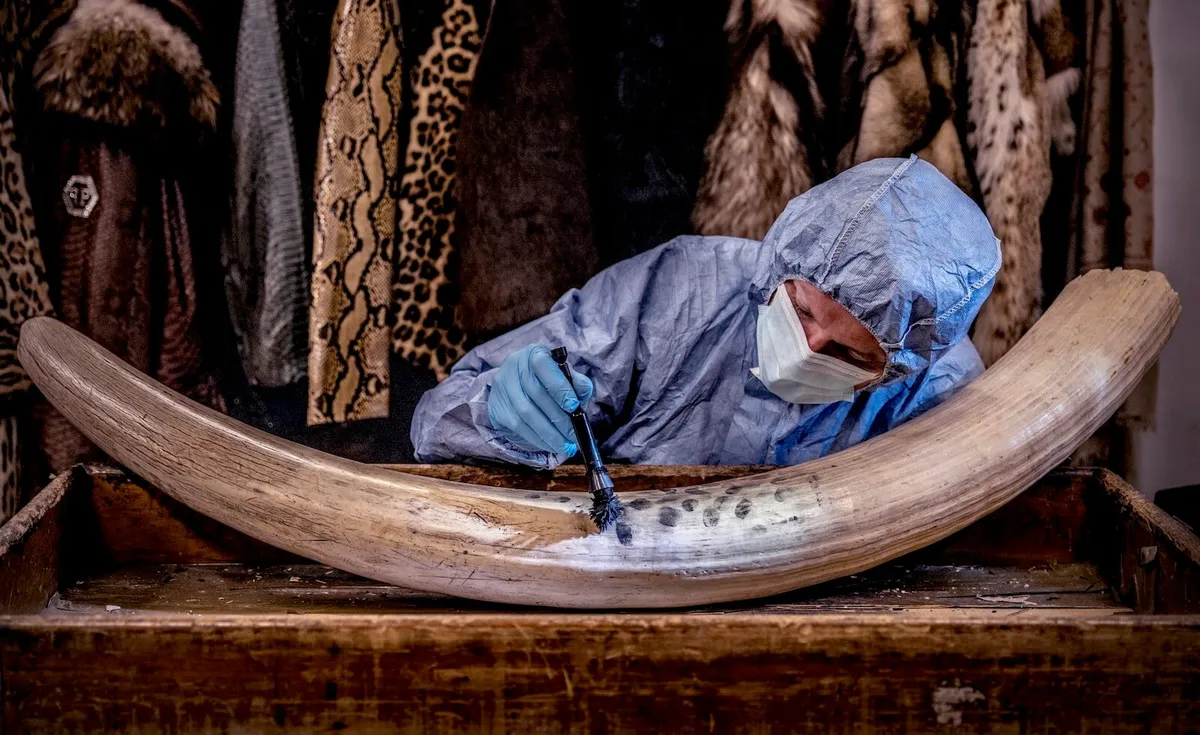
Our wrap-up wouldn't be complete without a nod to human cleverness. Who would have thought that catnip could be the new DEET? In Uganda, a new catnip-based lotion is showing real promise in repelling mosquitoes, offering a cheap, homegrown solution for malaria prevention. It's a small but mighty example of how local resources can yield global impact. Meanwhile, advances in forensic science are shining a light on wildlife crime – literally, with glow-in-the-dark handprints helping track down poachers. And for something completely different, it seems smelling chocolate might actually help you lift more weights at the gym. While one tackles a life-threatening disease and another fights crime, all three highlight how human ingenuity, applied in often unexpected ways, is constantly finding new paths forward. If you've been looking for proof that solutions are everywhere, you just found three of them.
Hope stat: 20 — the number of fishing hooks successfully removed from a single sea turtle, thanks to human medical technology.
Watch this space: Keep an eye on Uganda's catnip trials; a natural alternative to DEET could be a game-changer for public health globally.