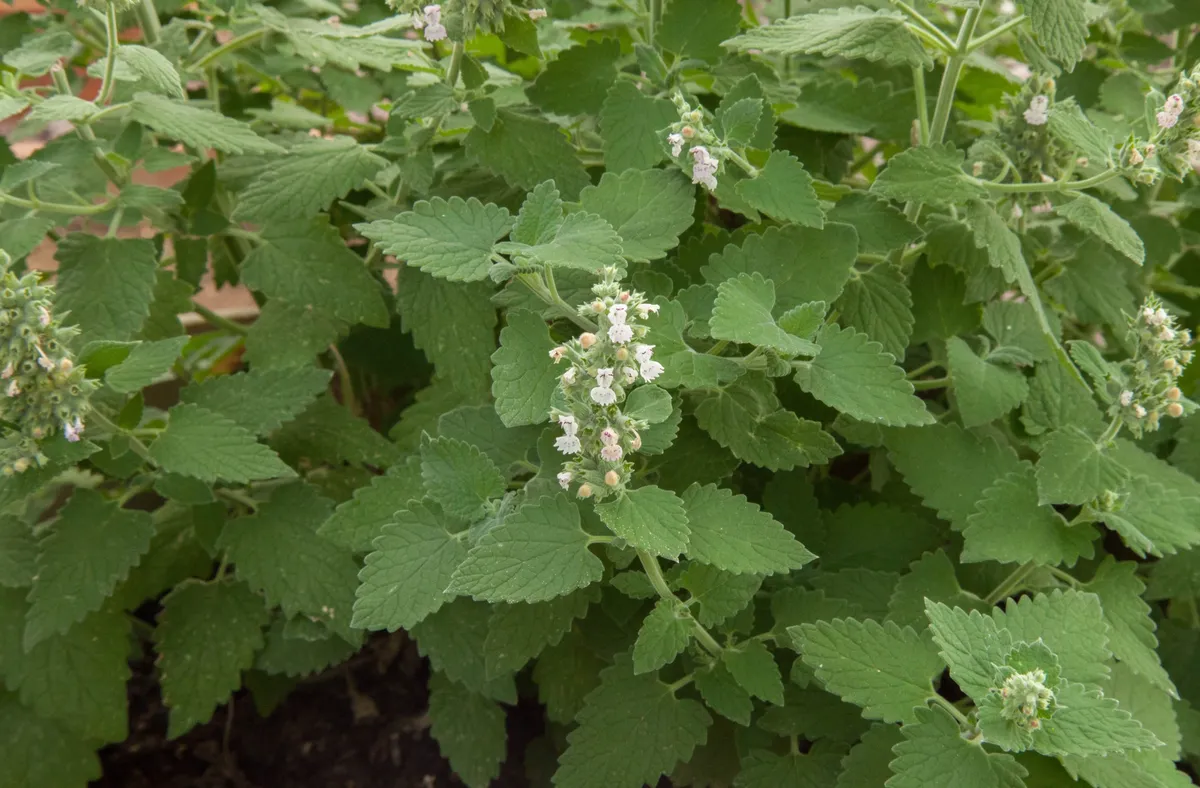
For years, catnip has mostly been known for making our feline overlords lose their minds. But now, this unassuming herb might just be the secret weapon in the fight against malaria in Uganda, offering a homegrown solution that could actually stick.
Turns out, a new lotion made from catnip oil works just as well as DEET, the gold standard in insect repellent. This isn't just some backyard experiment; it's backed by research presented at the Society for Experimental Biology conference. And if you're wondering why this matters, consider that malaria still claims over 600,000 lives a year, mostly young children.
The Catnip Showdown
Researchers from Cardiff University teamed up with partners in Uganda to put this theory to the test. They gathered four groups of volunteers and had them slather on different lotions: one with 15% DEET, one with 6% catnip oil, another with 2% catnip oil, and a final placebo group. Then, they simply counted how many mosquitoes landed on their legs during an evening in eastern Uganda. Because, apparently, that's how you measure success in the world of bug repellents.
We're a new kind of news feed.
Regular news is designed to drain you. We're a non-profit built to restore you. Every story we publish is scored for impact, progress, and hope.
Start Your News DetoxDr. Simon Scofield, who led the research, found that the 6% catnip oil was neck-and-neck with DEET in effectiveness. Even the 2% catnip oil held its own, only slightly less potent. Lab tests confirmed what the mosquito bites (or lack thereof) suggested: catnip oil is a formidable foe for flying pests.
Why This Is a Big Deal
Malaria is a relentless killer, affecting hundreds of millions annually, and the parasites are getting craftier, developing resistance to insecticides and drugs. DEET works, but here's the rub: it's often too expensive for the very people who need it most. Imagine being told to use a product you literally can't afford, day after day. Most rural Ugandan farmers simply can't buy commercial repellents, Scofield notes.

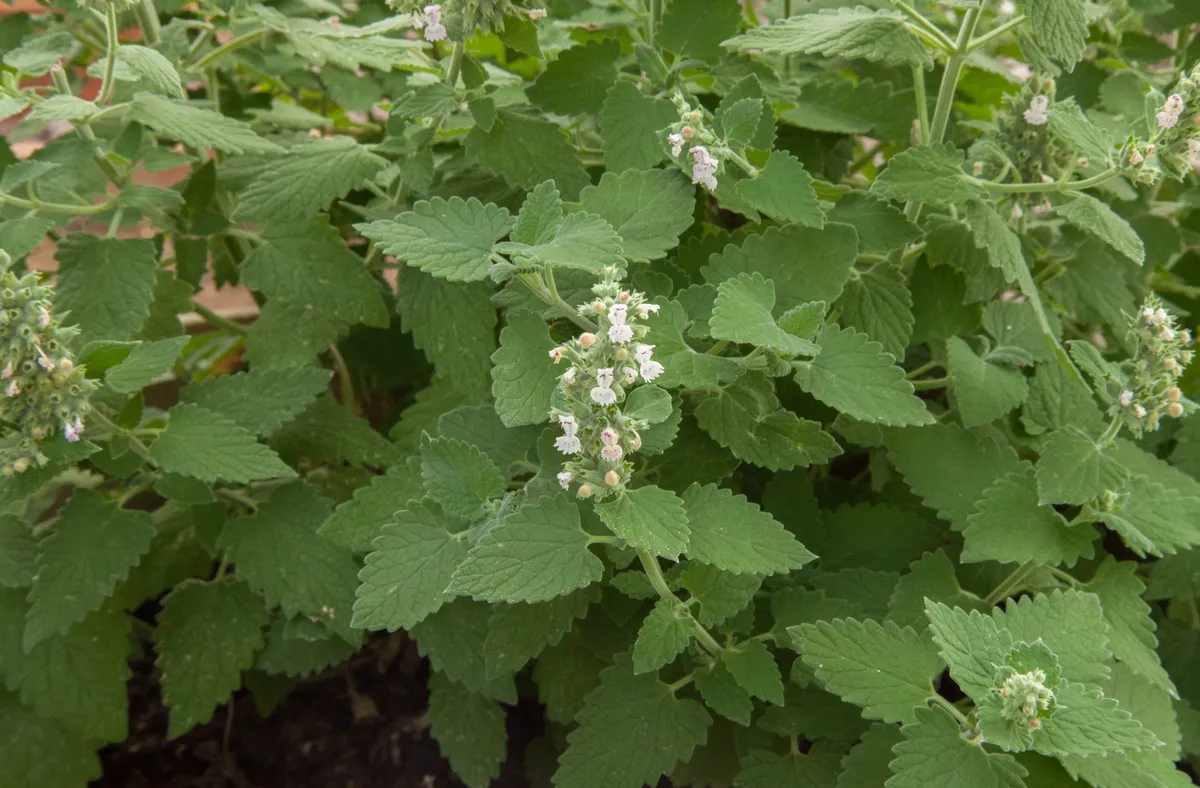
But catnip? It grows locally in Uganda. This isn't just a convenient fact; it's the entire point. If you can grow it, you can make it. And if you can make it locally, you can make it affordable.
The team isn't stopping at just proving it works. They're figuring out how local communities can produce the lotion themselves, moving from grant-funded giveaways to a self-sustaining system. The idea is to sell it at a low cost, creating a circular economy where money flows back to everyone involved in making and distributing it.
Of course, there's always a catch. As entomologist Swai Kyeba points out, any topical repellent, DEET included, only works if people actually use it regularly. Low compliance is a challenge, no matter how cheap or effective the product. But a cheap, locally made option certainly makes that challenge a little less daunting. Because the best repellent in the world is useless if it's sitting on a shelf, unused.