Imagine a world where your prescription isn't a pill, but a perfectly portioned, home-delivered meal designed specifically for your ailing heart or tricky blood sugar. Well, welcome to that world. A new study out of Massachusetts just dropped some rather delicious news: "medically tailored meals" don't just make people healthier; they save a boatload of cash.
Because apparently, food really is medicine. And it's not some crunchy, granola-fueled fantasy. It's science, showing up in reduced hospital stays and fewer frantic trips to the ER.
The Recipe for Better Health
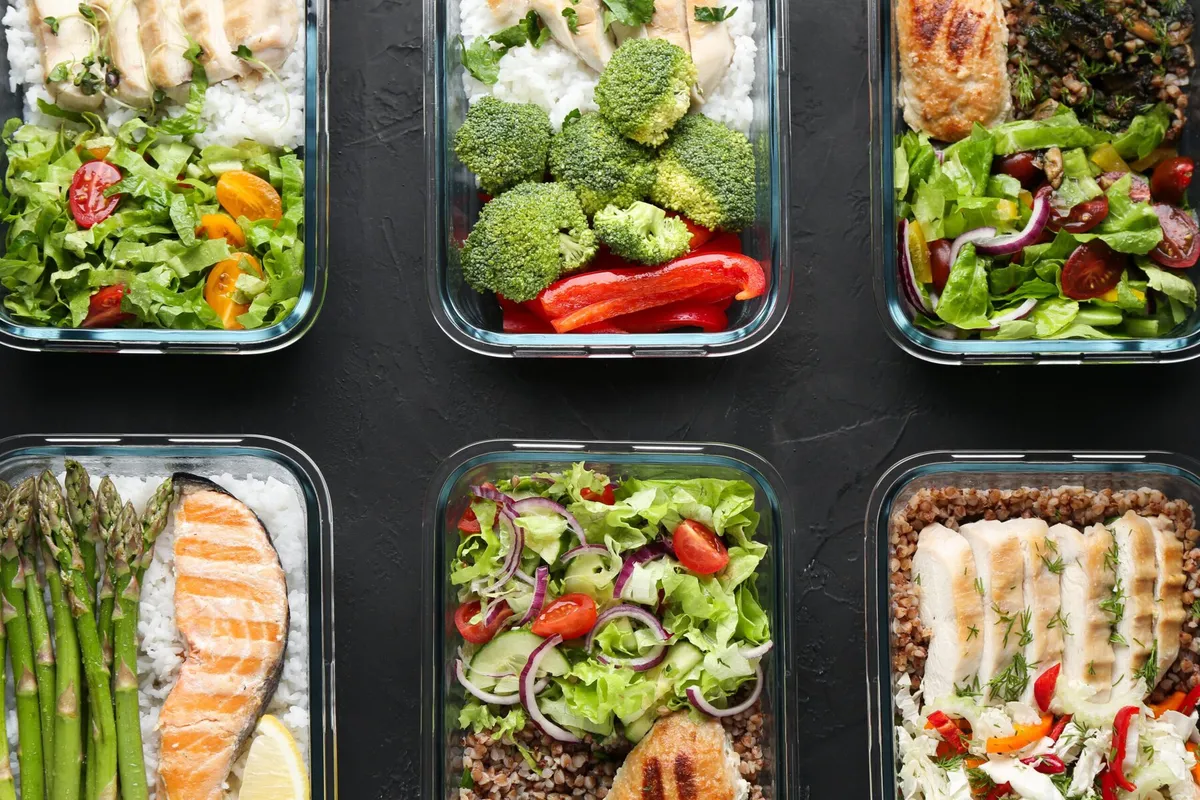
So, what exactly are these magic meals? Picture this: a registered dietitian nutritionist pores over your medical chart, then crafts a menu just for you – whether you're battling diabetes, heart failure, or chronic kidney disease. These aren't just healthy dinners; they're prescribed healthy dinners, delivered right to your door. It’s part of a growing "food is medicine" movement that says, quite simply, free, healthy food can drastically improve health.
We're a new kind of news feed.
Regular news is designed to drain you. We're a non-profit built to restore you. Every story we publish is scored for impact, progress, and hope.
Start Your News DetoxNow, even this common-sense idea isn't without its quirks. Robert F. Kennedy, Jr., once lauded these programs but then got a bit of a public scolding when an Associated Press review found a company he'd praised was serving up ultra-processed, high-sodium, high-sugar fare. Which, for someone who frequently criticizes those exact foods, was a bit of a chef's kiss of irony.
Massachusetts, bless its forward-thinking heart, was the first state to widely embrace these medically tailored meals for its Medicaid recipients. This made it the perfect petri dish for researchers from Tufts University and the University of Massachusetts Chan Medical School.
What did they find? If you were on Massachusetts Medicaid and getting these special meals, you were 31% less likely to end up in the hospital. And your ER visits? Down by a solid 20%. Let that satisfying number sink in.
But here's the kicker: health costs per person dropped by an average of $3,433 while they were in the program. This saving practically covered the entire cost of the program for taxpayers. Which, if you think about it, is both impressive and slightly terrifying that we didn't figure this out sooner.
Dr. Dariush Mozaffarian, a cardiologist and the director of Tufts University’s Food is Medicine Institute, led the report. He summed it up nicely: food really is medicine. And it has some major implications for how health insurance (looking at you, Medicare) might start covering these meals.
Medicaid, that public health insurance for low-income folks, has been giving states more wiggle room to try out these meal programs. Because, as researchers pointed out, a crummy diet is still one of the top reasons people end up sick, disabled, or in an emergency room. A dozen states, including California, New York, and Oregon, are already on board. Mozaffarian says it's rare to find something in medicine that both improves health and saves money. He calls extending these programs a "no-brainer." And honestly, when was the last time something in healthcare seemed like an easy decision? Time to grab a fork.