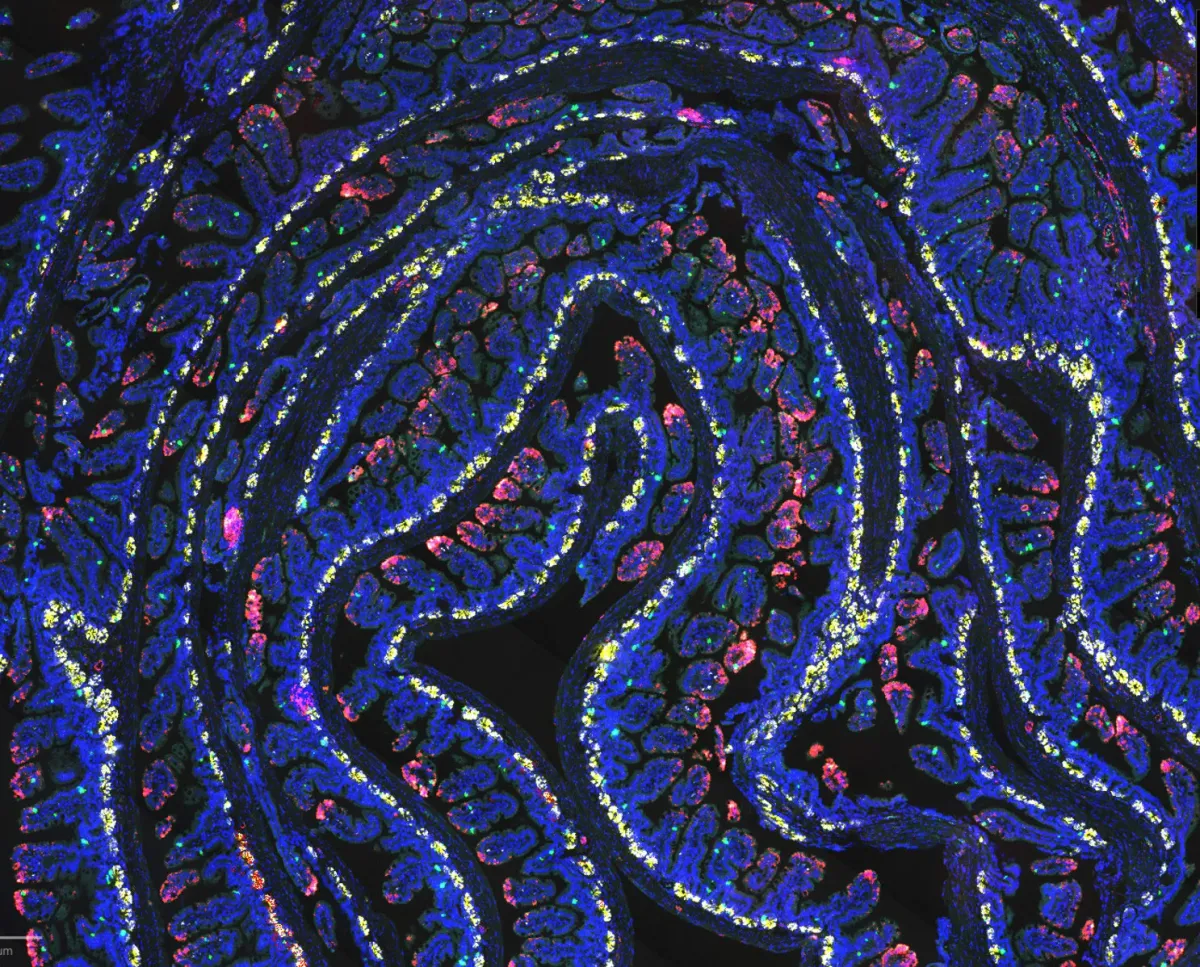
A 24-hour fast may activate a special pathway in gut microbes that helps the intestine heal. This discovery could lead to new ways to protect healthy tissues during cancer treatment.
When patients receive radiation for abdominal cancers, the treatment can harm the small intestine. This damage can cause severe digestive problems and limit how much radiation doctors can safely give.
How Fasting Helps the Gut
A specific gut bacterium, Akkermansia muciniphila (AKK), seems to work with changes in the body caused by short-term fasting. This combination helps prepare intestinal cells to regenerate after radiation injury.
We're a new kind of news feed.
Regular news is designed to drain you. We're a non-profit built to restore you. Every story we publish is scored for impact, progress, and hope.
Start Your News DetoxHelen Piwnica-Worms, Ph.D., and Kunal Rai, Ph.D., led this research. Their findings were published in Proceedings of the National Academy of Sciences.
Piwnica-Worms explained that fasting helps intestinal cells get ready to respond faster and better after injury. She compared it to training cells with an emergency plan. This study helps explain how that plan works and identifies a key bacterium involved.

Radiation therapy is often used for cancers in the abdomen, like those of the pancreas, colon, and reproductive organs. However, the small intestine has cells that renew quickly, making them very sensitive to radiation.
When the intestinal lining is damaged, patients can suffer from nausea, diarrhea, and infections. Severe damage can even be life-threatening and may force doctors to reduce radiation doses.
Previous research from Piwnica-Worms' lab showed that fasting before treatment improved how the intestine recovered after radiation. The new study aimed to understand what changes happen in the intestine during fasting that prepare it for repair.
The Role of a Key Gut Bacterium
The researchers found that fasting for 24 hours increased the amount of AKK in the small intestine. This was important because AKK produces propionate, a small molecule made when microbes process nutrients.
Propionate, along with other metabolic changes from fasting, modified histones inside intestinal cells. Histones are proteins that package DNA. Chemical tags added to these proteins can make certain genes more or less accessible without changing the DNA itself.
In this case, the tags helped expose genes related to tissue regeneration. A group of intestinal cells that built up during fasting seemed to have these repair programs ready. This prepared them to respond quickly once an injury occurred.
After radiation, these cells multiplied and helped rebuild the intestinal lining. This sequence suggests how fasting before treatment could help with recovery afterward.
Fasting and AKK Work Together
To see if AKK was truly necessary, the researchers removed the bacterium. When they did, the protective benefits of fasting disappeared.

Simply adding AKK back was not enough. The regenerative response only returned when AKK was reintroduced along with fasting. This shows that the changes in microbes and metabolism work together as a system.
The findings suggest that fasting changes intestinal cells before radiation, rather than just helping them recover afterward. By affecting gut microbes, metabolism, and access to regeneration genes, this process may allow repair to start faster once tissue is damaged.
This link between diet, microbes, and gene activity could help scientists understand how healthy tissues respond to injury. It might also lead to ways to reduce harm from cancer treatment while keeping its cancer-fighting effects.
Future studies will check if this pathway works similarly in patients getting abdominal radiation. Researchers also want to see if it can protect other fast-dividing tissues, like bone marrow, from cancer treatment damage.
New Therapies Without Fasting
Fasting can be hard or even unsafe for some cancer patients. Because of this, researchers want to find ways to get the same protective effects without requiring patients to fast.
Possible solutions could include treatments based on AKK, propionate, or other related molecules. Dietary changes might also be a way to trigger the same biological response.
Rai noted that fasting isn't always practical for cancer patients. He added that this work points to other potential ways to improve recovery after treatment. The goal is to help healthy tissue repair itself more effectively while patients receive necessary cancer therapies.
Deep Dive & References
Fasting primes small intestinal regeneration after damage via a microbiome–metabolite–chromatin axis - Proceedings of the National Academy of Sciences, 2026