For most of the 20th century, if you were a sea turtle in Cuba, your future probably involved a fishing net. Green turtles? Dinner. Hawksbills? Jewelry. We’re talking industrial scale, with legal fisheries hauling in about 836 metric tons of turtles annually in the 1980s. Apparently, research at the time was focused on how to keep that party going. Because, priorities.
Then, slowly, things started to shift. The catch numbers dwindled. By 1994, only two communities were still allowed to legally catch turtles, and even then, there were rules: minimum sizes, quotas. A slow trickle towards common sense.
The Man Who Changed the Tide
Cuba finally, mercifully, closed its sea turtle fishery in 2008. By then, the legal catch had plummeted to less than 15 metric tons per year. And in 2011, the nail in the coffin: a blanket ban on catching, using, or trading sea turtles. Exceptions only for research and conservation. Which, if you think about it, is quite the glow-up for a turtle.
We're a new kind of news feed.
Regular news is designed to drain you. We're a non-profit built to restore you. Every story we publish is scored for impact, progress, and hope.
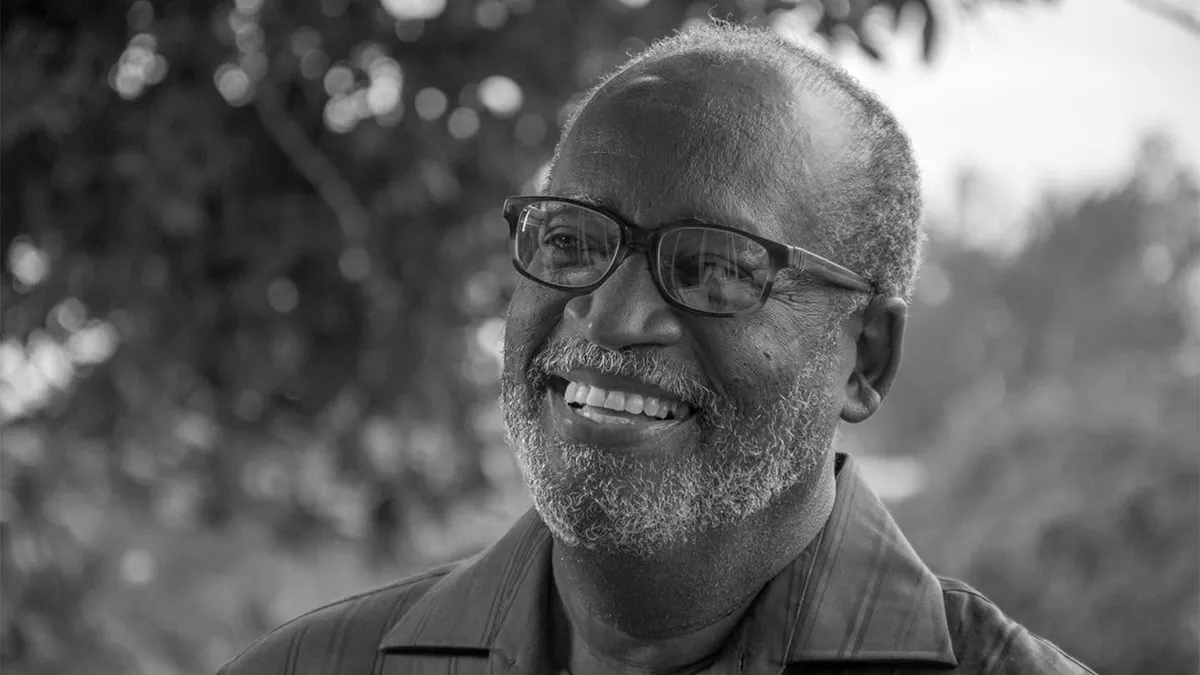
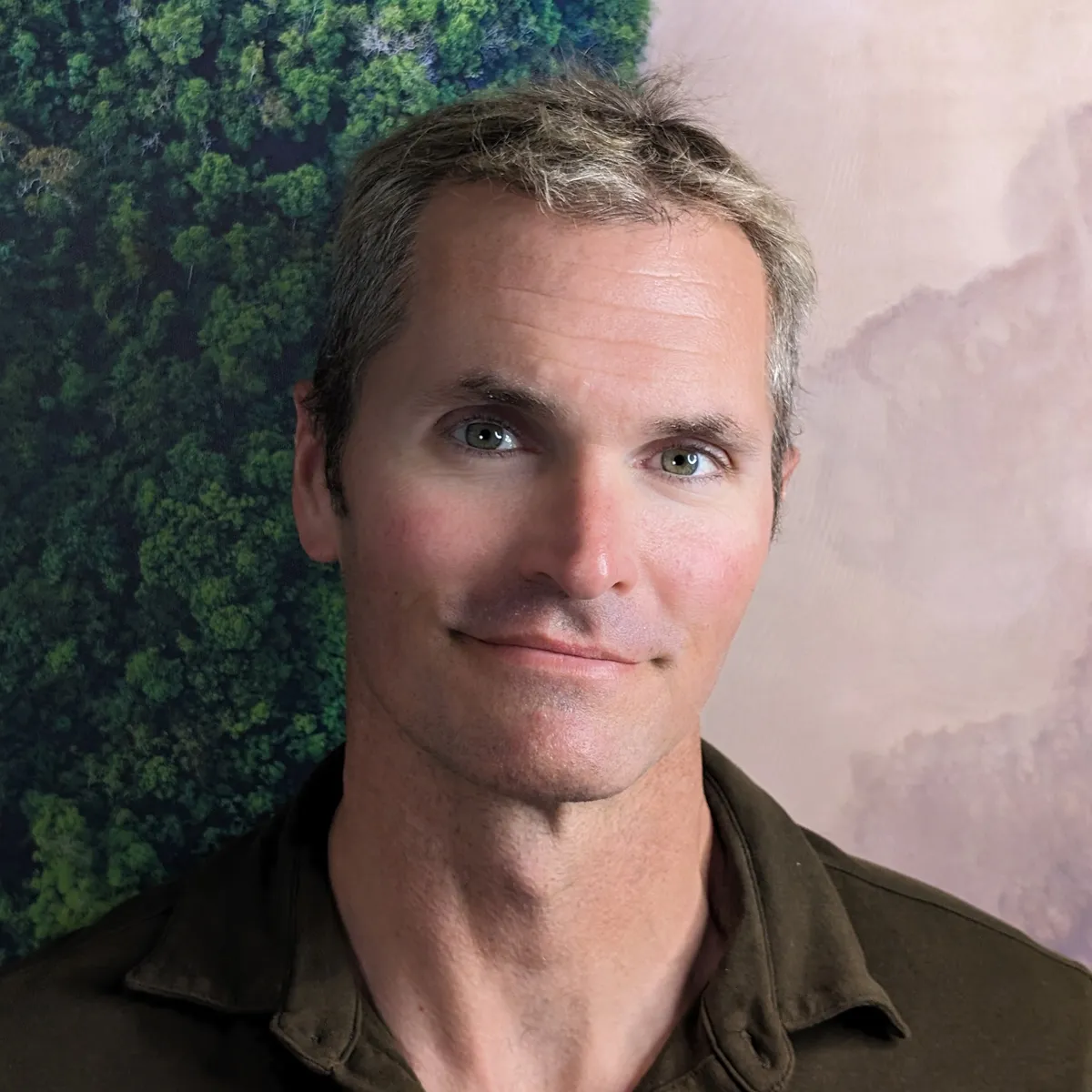
Start Your News DetoxAt the heart of this monumental flip-flop was Félix Guillermo Moncada Gavilán, a Cuban marine biologist who dedicated over 40 years to the country’s Fisheries Research Center. He led their sea turtle program and coordinated Cuba's efforts for WIDECAST, a regional conservation group. Basically, he was the turtle guy.
Moncada Gavilán once admitted he started his turtle research with more enthusiasm than actual knowledge. Little time, lots to do. But apparently, that’s how legends are made. Colleagues remember that the mere mention of marine turtles would make him beam, prompting an eager, detailed explanation. A man truly in love with his work.

His early studies might have focused on fisheries, but as Cuba pivoted towards protection, so did he. He investigated nesting sites, migration patterns, and how turtle populations were actually doing. He even delved into the less savory aspects: illegal hunting and accidental catches. Ultimately, Moncada Gavilán was instrumental in crafting the very regulations that now protect these ancient mariners.
He passed away in Havana on June 28th, leaving behind a legacy that saw an entire nation move from exploitation to conservation. Not a bad way to go out.