As global supply chains get a bit… unpredictable (thanks, Middle East), China is making a massive play for self-sufficiency in a crucial chemical. And they’re doing it with a surprisingly green approach.
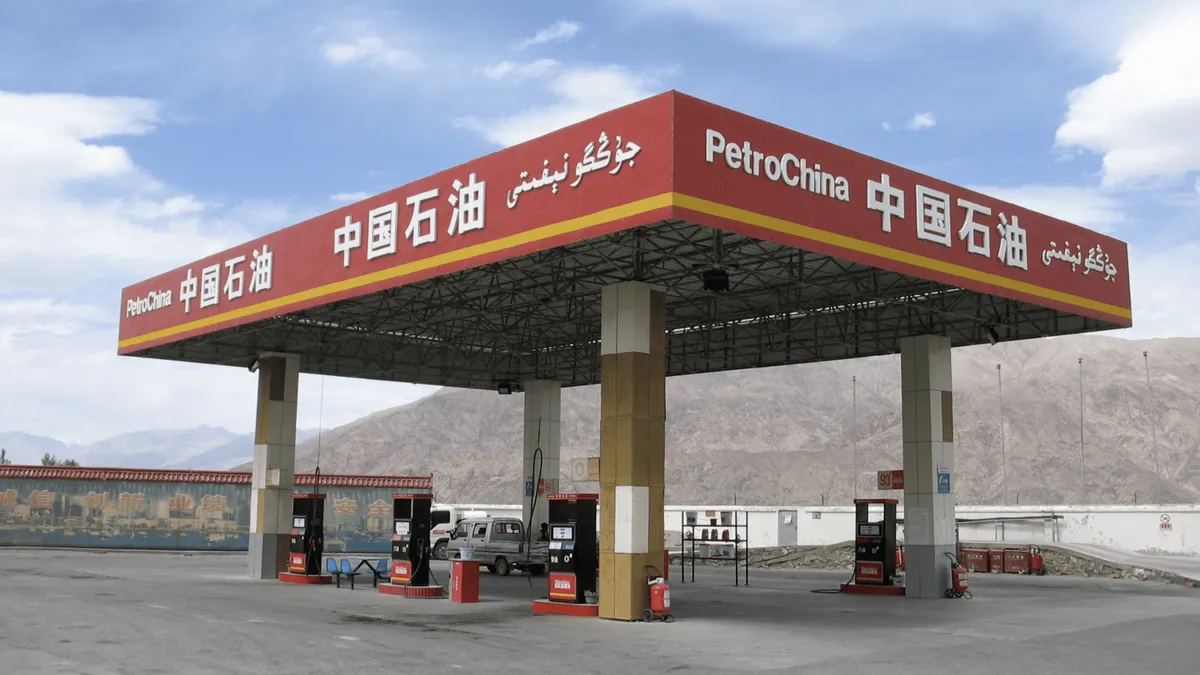
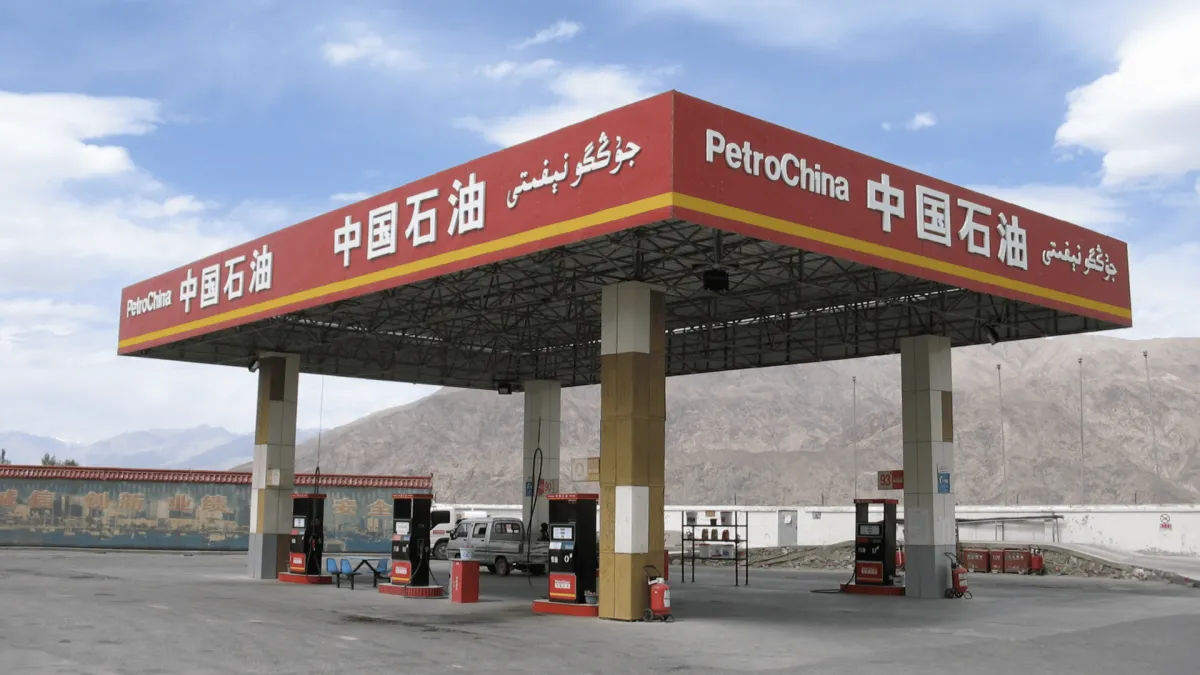
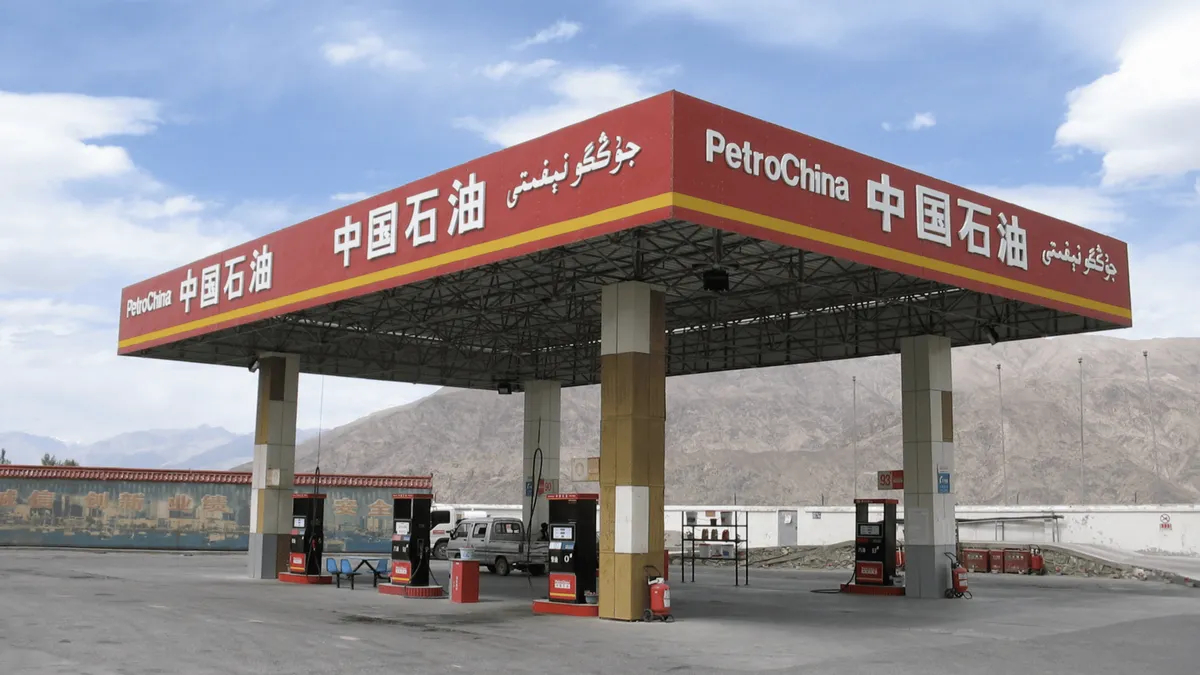
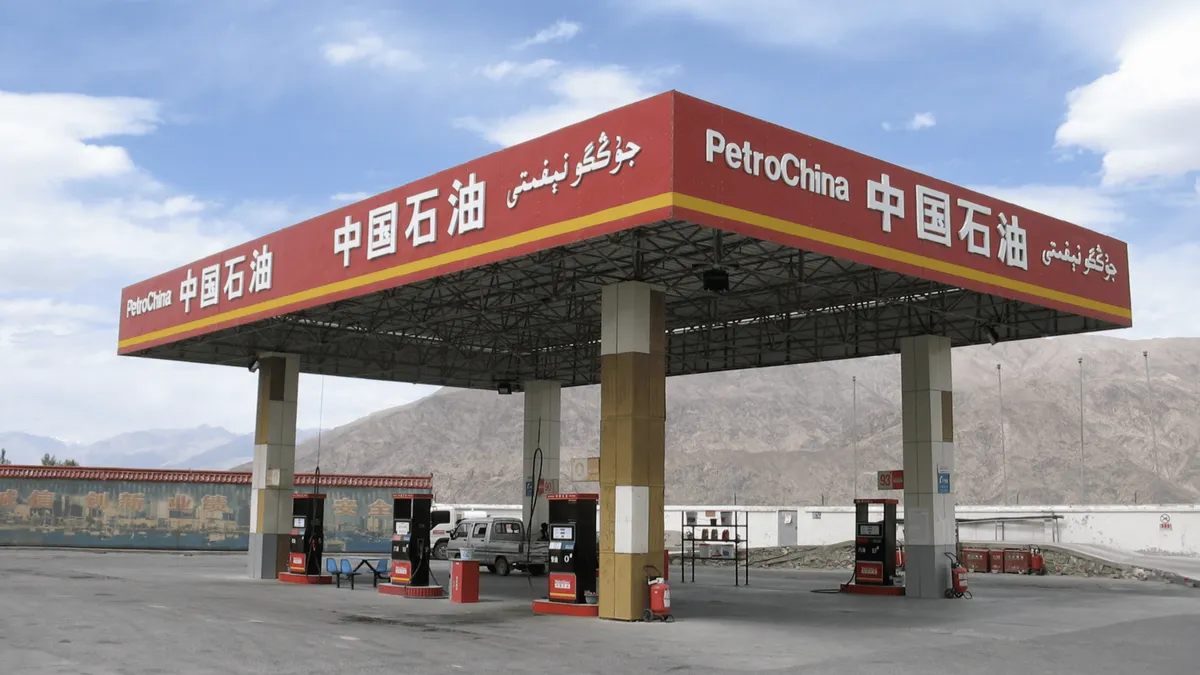
PetroChina, through its subsidiary Dushanzi Petrochemical, just flipped the switch on a colossal new ethylene production line in Xinjiang. This isn't just a minor upgrade; it adds a staggering 1.2 million tons to the company's yearly output, bringing its total regional capacity to 3 million tons. Because apparently, when you decide to produce a lot of something, you really go for it.
The 'Industrial Gold' Rush Moves West
This new project aims to create the largest ethylene production hub in central and western China. Historically, most of the industry has clung to the eastern coast. But now, the action is shifting closer to the actual resources, ensuring China can churn out what it calls "industrial gold" — a key petroleum-based chemical used in everything from your plastic water bottle to synthetic fibers and advanced materials.
We're a new kind of news feed.
Regular news is designed to drain you. We're a non-profit built to restore you. Every story we publish is scored for impact, progress, and hope.
Start Your News DetoxThis geographical reshuffle is a big deal. As the South China Morning Post put it, it's set to "reshape the long-standing east-west geographic imbalance of domestic ethylene capacity." Translation: less reliance on imported energy, more secure supply chains, and a stronger grip on a chemical that's essential for, well, almost everything modern.
China already leads the world in ethylene production, with over 62 million tons annually by the end of last year. But with 65% of that still coming from the east, this Xinjiang expansion in the resource-rich Tarim Basin is a calculated move to balance the books and bring production closer to the source. Especially handy when global events keep reminding everyone that relying on others for essential supplies can be a dicey proposition.
Green Ethylene? It's Happening.
What makes this particularly interesting is PetroChina’s claim of a “fully green” production chain for this new facility. Yes, a petrochemical plant touting its eco-credentials. The facility plans to slurp up about 1,000 gigawatt-hours of solar energy from the nearby Tarim Oilfield each year. And because apparently that's not enough, they're also implementing carbon dioxide and hydrogen recycling systems designed to slash carbon emissions by 1.37 million tons annually.
This isn't just corporate virtue signaling. Beijing announced a three-year plan in June targeting energy saving and carbon reduction in nine high-emission industries, including ethylene. The goal? Save over 100 million tons of standard coal and cut carbon emissions by over 200 million tons by the end of 2028. So, while the world grapples with energy security, China is also trying to green up its heavy industry. Which, if you think about it, is both impressive and slightly terrifying in its ambition.
The Xinjiang project is a potent symbol of China's ongoing tightrope walk: balancing rapid industrial growth, rock-solid supply chains, and those ever-present carbon reduction goals. All while making sure they have enough "industrial gold" to go around, no matter what the world throws at them.