Meta's data centers consume water — lots of it, to keep servers cool. But the company has spent the last seven years building something quieter than a press release: a system where what they take out of the ground gets put back, multiplied.
The math is straightforward. Meta runs data centers in nine watersheds across the US. Since 2017, they've funded over 40 water restoration projects in those same regions. Last year alone, those projects returned 1.59 billion gallons of water to areas facing water stress. When all projects are fully operational, they'll restore between 2.9 and 3.4 billion gallons annually — more than they consume.
This matters because data centers are thirsty. Servers generate heat, and cooling them traditionally meant running water through massive systems. Meta's response was to rethink the whole thing.
We're a new kind of news feed.
Regular news is designed to drain you. We're a non-profit built to restore you. Every story we publish is scored for impact, progress, and hope.
Start Your News DetoxEfficiency first
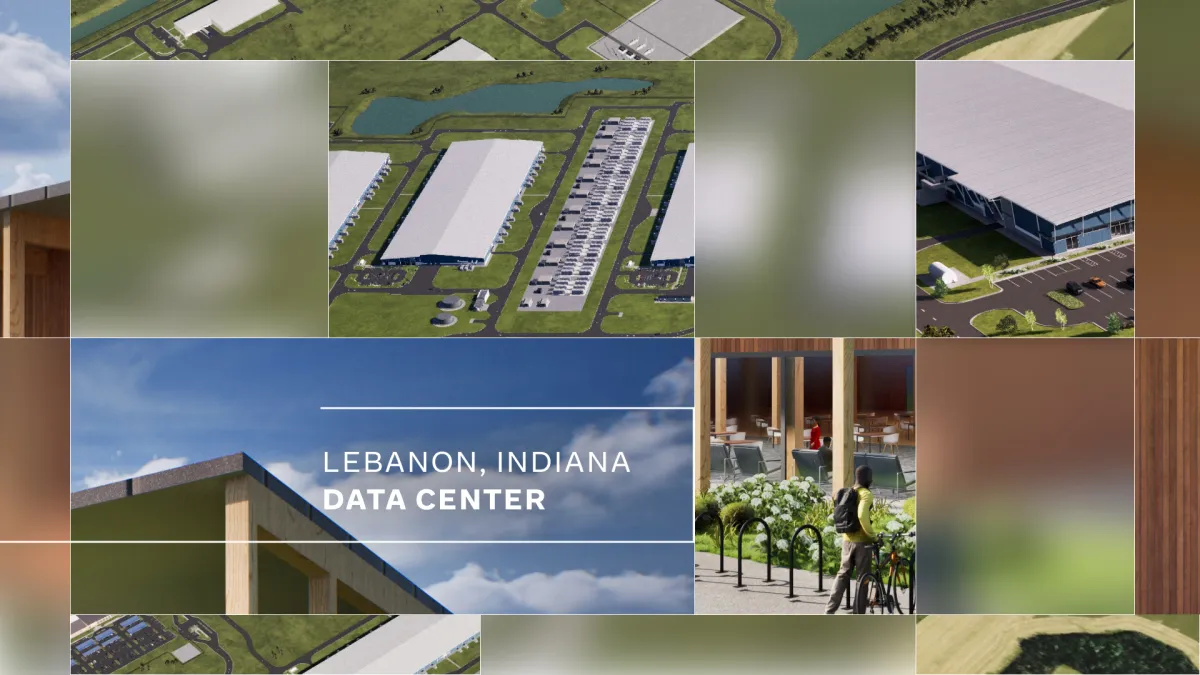
Their newer data centers use closed-loop liquid cooling with dry coolers — think of it as a sealed plumbing system that circulates coolant through the server halls, then sheds the heat into the air instead of water. The result: their Beaver Dam, Wisconsin facility will use less water in a year than two full-service restaurants combined. During construction of their Kansas City data center, they captured stormwater runoff and reused it to suppress dust, saving over one million gallons of potable water before the building even opened.
Every operational Meta data center building earns LEED Gold certification. They install water-saving fixtures, plant native species to reduce irrigation needs, and use AI to optimize cooling systems in real time. It's the kind of infrastructure work that doesn't make headlines because it's designed not to.
Restoration at scale
But efficiency alone doesn't get you to water positive. The second half of the equation is putting water back where it matters.
In Arizona, Meta partnered with the Colorado River Indian Tribes to replace flood irrigation with drip irrigation on tribal lands — water seeps slowly into soil instead of flooding fields and evaporating. That single project will restore 64.9 million gallons annually. In Texas, they helped restore 2,000 acres of longleaf pine forest in the Trinity River Watershed, which will return 44 million gallons a year. In New Mexico, they're working with Audubon New Mexico and federal agencies on river flow restoration projects that deliver water to ecologically critical sections of the Rio Grande.
These aren't symbolic gestures. The projects have hydrological connections to the water Meta actually uses — they restore water in the same watersheds where their data centers operate. Independent third parties verify the numbers.
Community infrastructure
Meta has also invested directly in local water systems. At their Kuna, Idaho facility, they built a $70 million water and wastewater treatment facility and gave it to the city. In Richland Parish, Louisiana, they're investing over $200 million in wastewater infrastructure that will transfer to local control and improve regional water quality.
The 2030 water positive goal isn't a promise to offset somewhere else. It's a commitment to restore more water than consumed in the specific watersheds where they operate. They publish annual progress in their sustainability report and environmental data index — the numbers are public and auditable.
Data center expansion will continue. The cooling challenge won't disappear. But the trajectory is clear: Meta has moved from treating water as an operational input to treating it as a watershed problem that requires infrastructure thinking.