In the western United States, water is becoming scarce. Droughts stretch longer. Temperatures climb. And farmers are returning to a practice that Indigenous peoples perfected thousands of years ago: dry-farming — growing crops with little to no sprinkler irrigation.
The approach sounds counterintuitive until you understand how it works. Dry-farmed plants don't wait for water from above. Instead, they draw moisture that's already stored deep in the soil, accessed through deeper root systems. The farmer's job is to help the soil hold onto that water through the seasons: mulching to insulate the ground, spacing plants wider to reduce competition, and timing the planting to align with natural rainfall patterns.
One wet season, followed by a dry growing season. That's the rhythm. And it works.
We're a new kind of news feed.
Regular news is designed to drain you. We're a non-profit built to restore you. Every story we publish is scored for impact, progress, and hope.
Start Your News DetoxWater saved, flavor gained
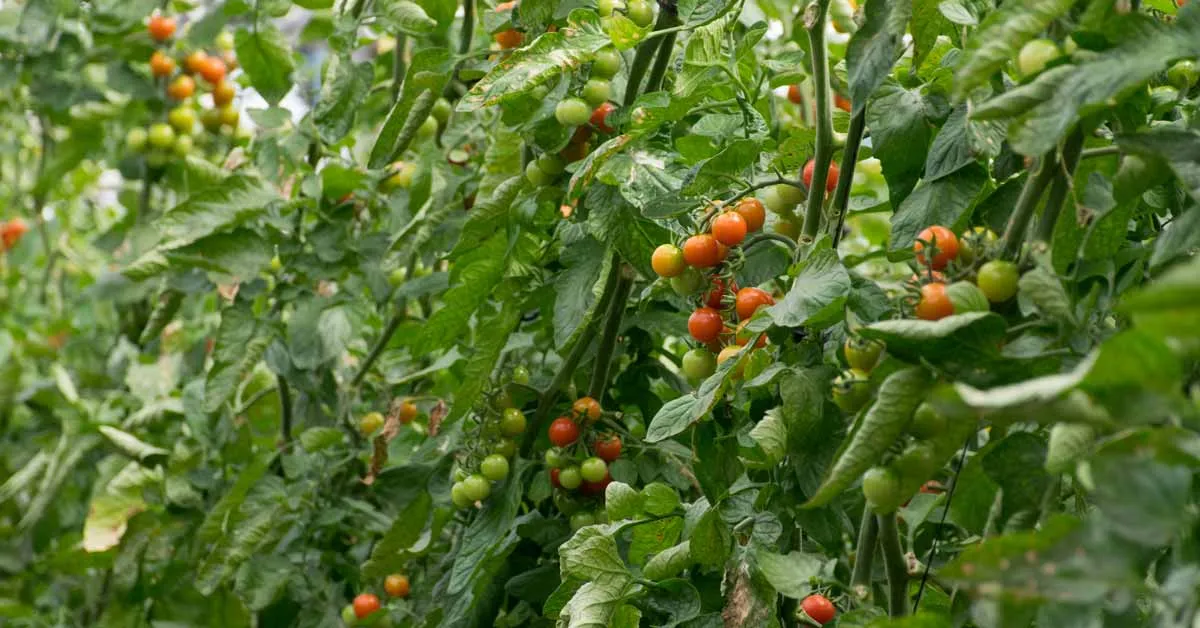
A single season of dry-farming can save a farmer thousands of liters of water — a significant margin in regions where every drop counts. But there's an unexpected bonus that's made this practice standard in parts of Europe for centuries: dry-farmed produce tastes better. Tomatoes develop deeper flavor. Potatoes become denser. Watermelons, squash, corn, and grapevines all concentrate their sugars when they're working harder to find water.
In European wine regions, some areas have actually made irrigation illegal for wine grapes, not for water conservation but to protect the quality that dry-farming creates. The same principle holds in Mediterranean olive groves and melon fields across Botswana — the practice isn't new, and it isn't marginal.
According to the Dry Farming Institute, the approach is fundamentally about working within what your climate actually provides, rather than fighting it. "Dry-farming is a low-input, place-based approach to producing crops within the constraints of your climate," they describe it. A dry-farmed crop is irrigated once, or not at all.
For farmers in the American West facing both water scarcity and economic pressure, the math is straightforward: less water input, lower operating costs, and a product that commands higher prices at market because it tastes noticeably better.
Michael Kotutwa Johnson, an Indigenous resiliency specialist at the University of Arizona and member of the Hopi Tribe, frames it differently. "Dry farming is just farming — it's our way of life," he said. "You get to really learn what the environment gives you, and you learn to reciprocate. It's a beautiful thing, and it's something that needs to be cherished."
As water stress spreads across agricultural regions worldwide, farmers are rediscovering that sometimes the oldest solutions are the most resilient ones.