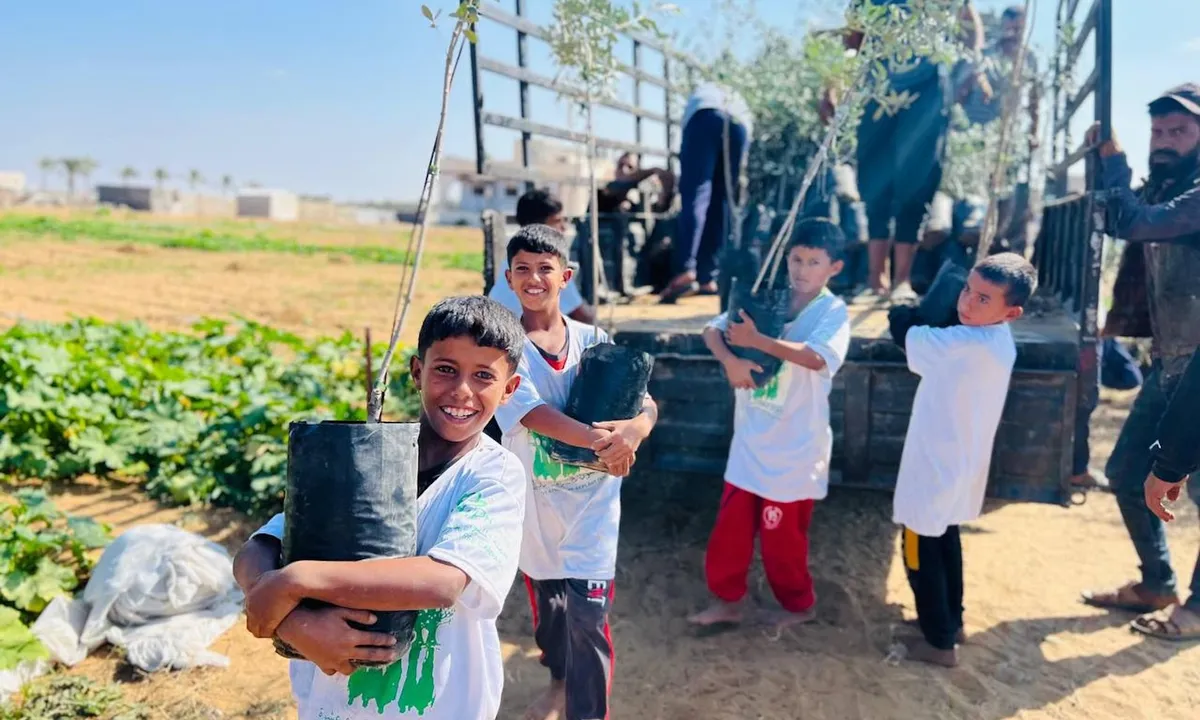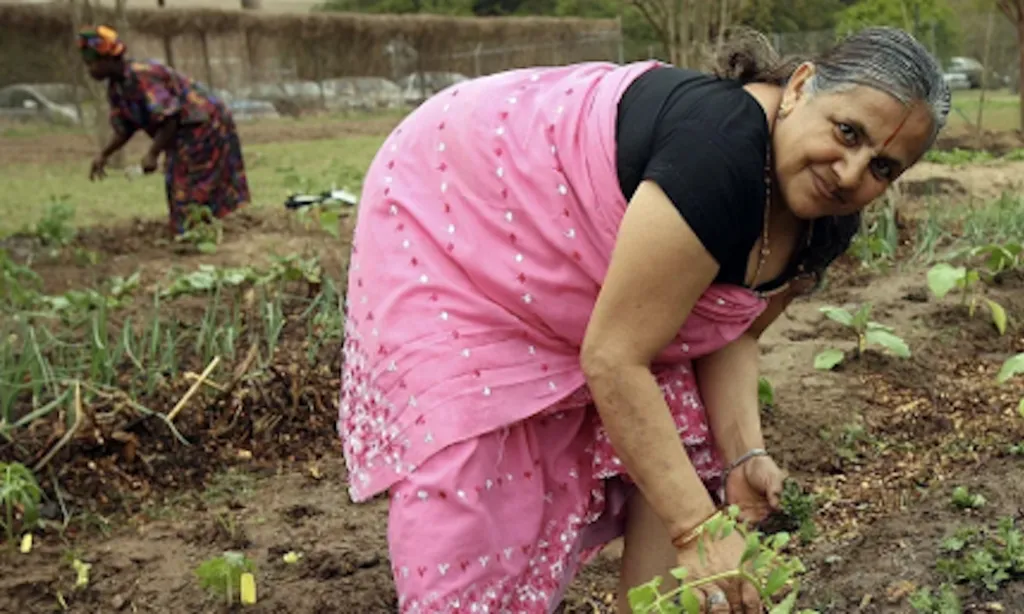
In Elgin, Texas, a 20-acre farm has become something more than a place to grow vegetables. For refugees building new lives in Central Texas, the Refugee Collective's land is where survival and dignity meet — where someone can plant the seeds their grandmother grew in Syria or Somalia, sell the harvest at fair prices, and know they're part of something that matters.
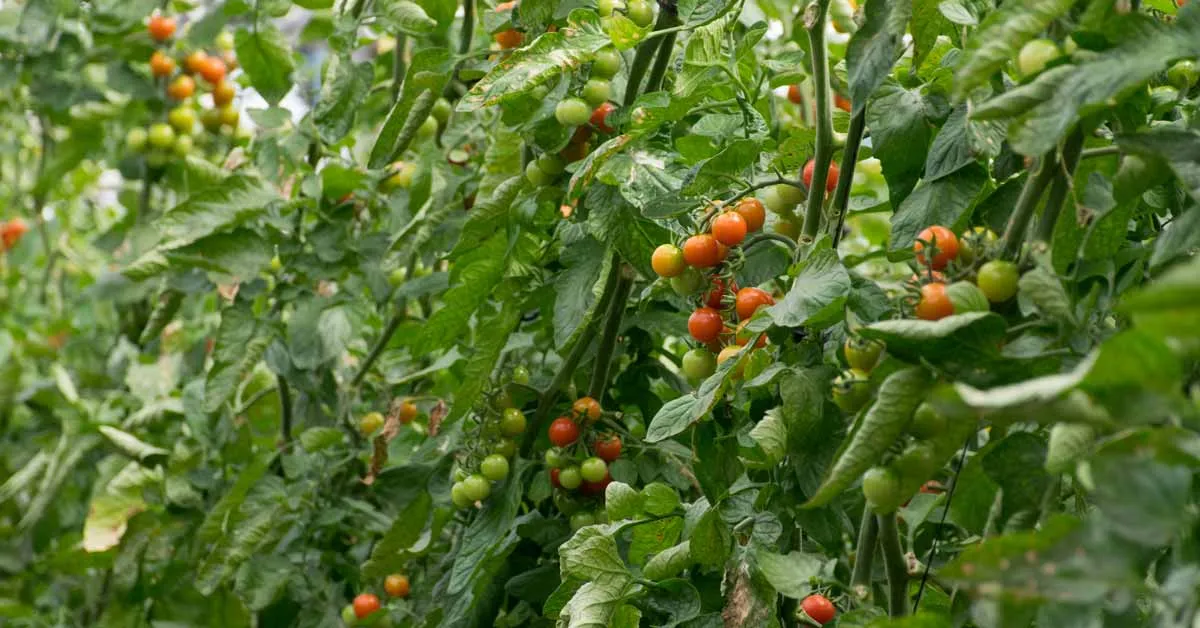
The Collective works with newly arrived refugees to offer what most job training programs don't: autonomy. Farmers get access to commercial plots, organic certification support, and a guaranteed buyer in the Collective itself. They grow what their communities need — regional seasoning blends, traditional vegetables, crops that don't show up in local grocery stores — then sell back to the organization at market prices. The produce flows into local restaurants, wholesale channels, and a CSA program that connects Austin residents directly to the work.
"The program has enabled newly arrived refugees to gain access to commercial plots at our farm to grow more traditionally desired produce, along with training and the ability to sell the organic produce," explains Christina Jones, Community Engagement Manager at the Refugee Collective. It's a model that treats farming as both livelihood and pathway — economic stability wrapped in cultural continuity.
We're a new kind of news feed.
Regular news is designed to drain you. We're a non-profit built to restore you. Every story we publish is scored for impact, progress, and hope.
Start Your News DetoxBut the farm is doing something else too. In partnership with conservation groups, the Collective developed Texas's first Resilient Farm Plan, a blueprint for climate-adapted agriculture that integrates no-till practices, cover cropping, crop rotation, windbreaks, and rotational grazing with laying hens. Once fully implemented, the plan will sequester 345 metric tons of carbon dioxide equivalent per year. That's not incidental — it's a core part of why this model works. The Collective isn't just solving food access; it's building agriculture that can withstand the climate disruptions already underway.
The timing matters because the Collective now faces real pressure. Recent federal funding cuts to SNAP benefits and grant programs are tightening the margins. The political environment has shifted toward hostility toward refugee and immigrant communities, even as the Collective employs people who are here legally. "Even though the refugees that we employ are here legally, we cannot ignore the hostility toward their communities," Jones says. "Our feeling is that we want to help refugees through more food access since federal funding like SNAP benefits are being withheld."
What's striking is that the Collective isn't retreating. Jones is focused on scaling — more commercial plots, more women earning supplemental income, more Austin residents connecting to the mission through CSA subscriptions and donations. The farm has proven the model works: food security, fair wages, regenerative soil, and community resilience all growing from the same plot of land.
The question now is whether Texas — and other states — will recognize what's already working and protect space for it to grow.