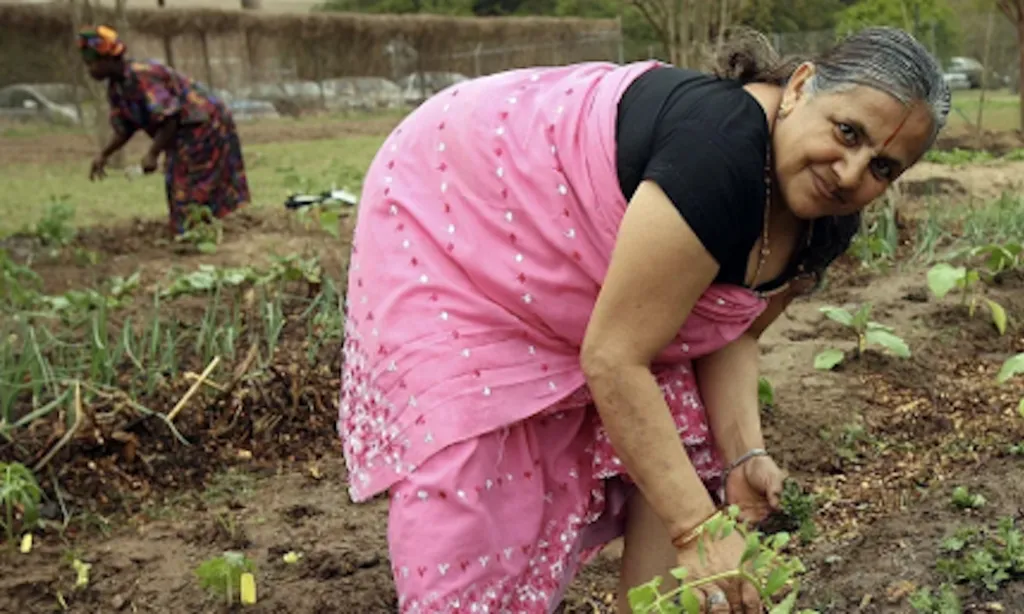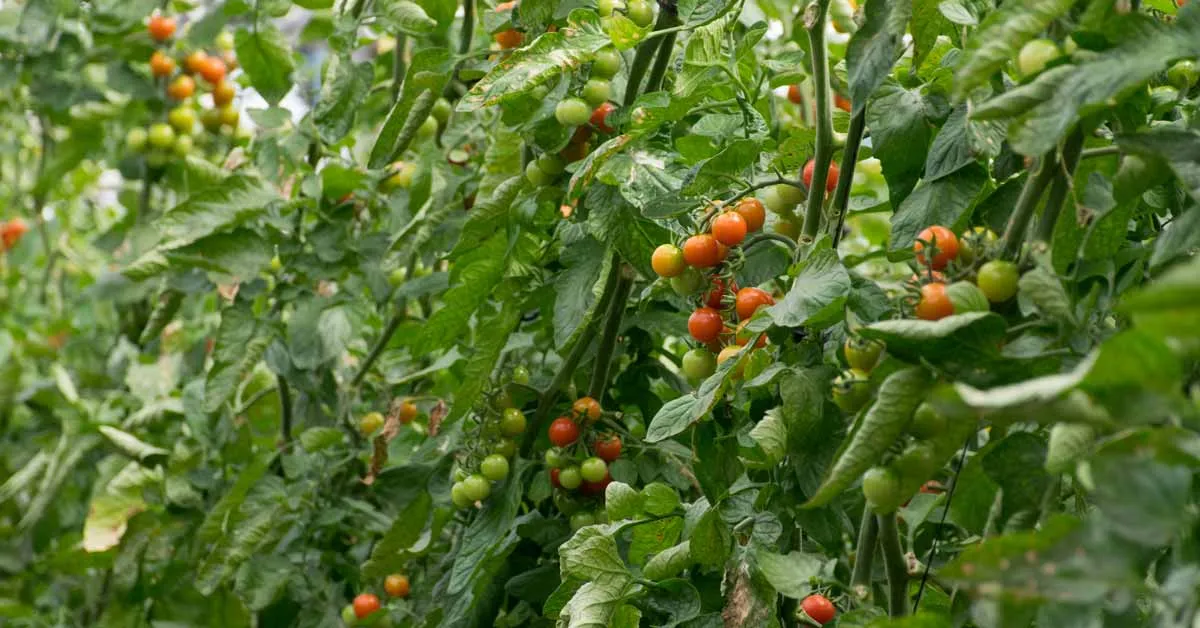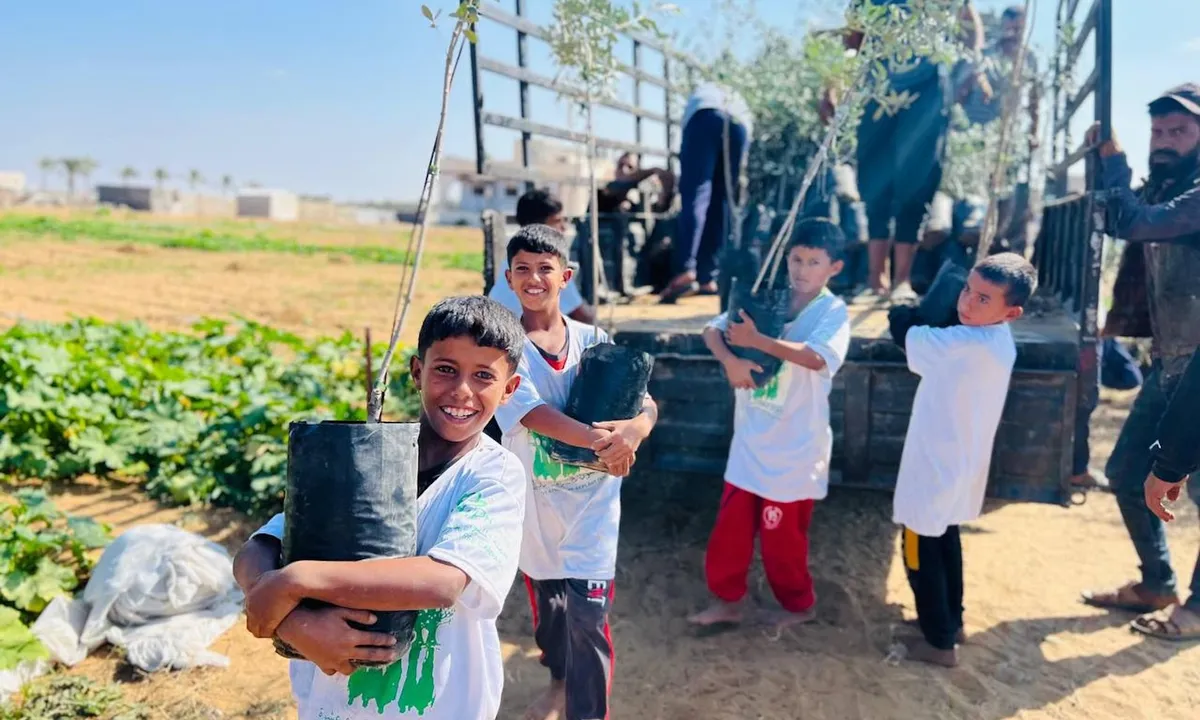
On less than 5% of Gaza's remaining farmable land, something quietly defiant is growing. Since March 2024, the Revive Gaza's Farmland Project has cultivated 1,341 dunums—about 331 acres—producing over 7 million kilograms of vegetables: eggplants, zucchini, cucumber, tomato, melon, molokhia. These crops reach over 12,000 people directly, moving from farmer to family without intermediaries.
The scale matters less than what it represents. Gaza faces acute hunger across three-quarters of its population. The WHO and UN documented systematic starvation. Children are no longer dying of famine, says UNICEF's Lucia Elmi, but they remain in grave danger. Into this context, farmers are planting.
Breaking the siege from within
Razan Zuayter, founder of the Arab Group for the Protection of Nature (APN) and architect of this project, frames the work differently than most aid efforts. Rather than focus on what's been destroyed—and the destruction is immense—she insists on highlighting "what endures." The distinction matters. It's the difference between charity and sovereignty.
We're a new kind of news feed.
Regular news is designed to drain you. We're a non-profit built to restore you. Every story we publish is scored for impact, progress, and hope.
Start Your News DetoxIsrael's Defense Export Control Law restricts what enters Gaza, including seeds. Tomato seeds, date pits, coriander seeds—items that could theoretically serve military purposes under the law's broad interpretation—are prohibited. This isn't accidental scarcity. It's engineered. So the APN's strategy is direct: grow food locally, from local seeds, using local knowledge. "By reviving Gaza's agricultural capacities through internal procurement and local production, we strengthen a food system resistant to blockade and man-made famine," Zuayter tells Food Tank. "We are breaking the siege from within."
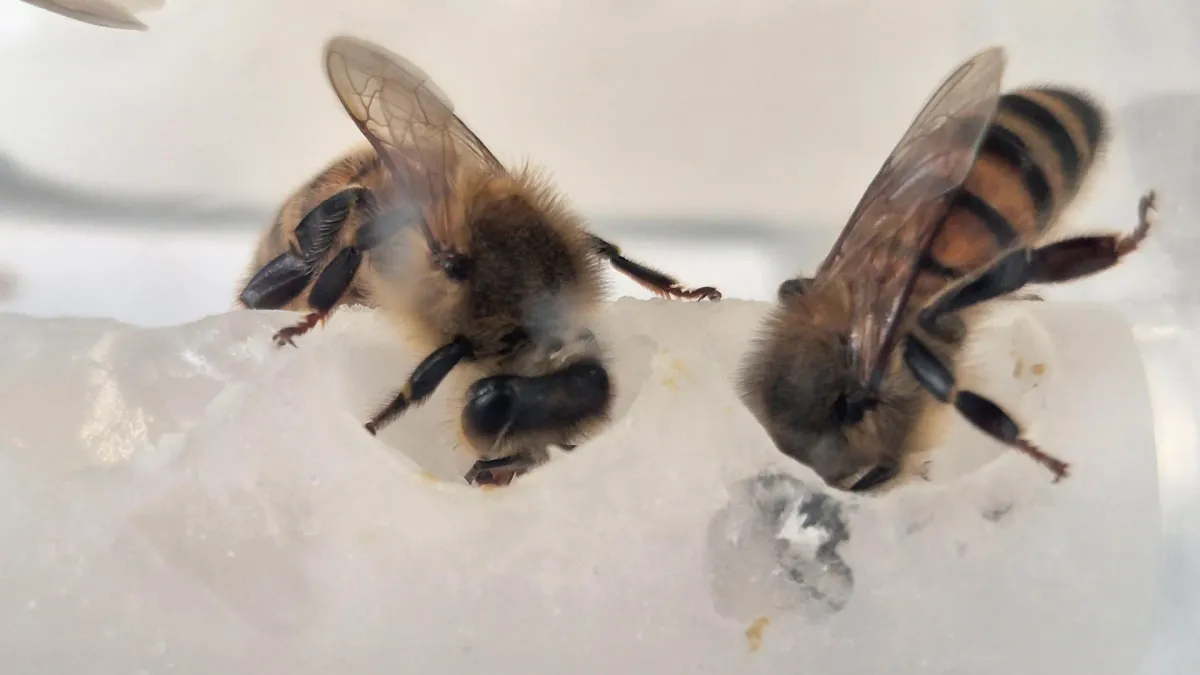
The project has distributed 2.29 million seedlings and nearly 3,000 kilograms of seeds. They've distributed fishing nets and poultry units. They're restoring three water wells, 17 greenhouses, and 52 beehives. They're cultivating an additional 90 dunums with potatoes and other staples. They're planting 30,000 fruit-bearing trees.
These numbers accumulate into something larger: a deliberate reconstruction of Palestinian agricultural capacity, and with it, the ability to feed itself without permission.
The deeper roots
Palestine's agricultural heritage runs deep. Olive groves anchored Palestinian land and livelihood for generations. The UN notes they remain a primary food and income source. Since 1967, Israeli forces have uprooted more than 2.5 million trees, including 1 million olive trees. Palestinians are legally prohibited from harvesting certain traditional plants classified as "state property" by the Israeli government. This is what Zuayter calls "colonial ecocide."
Zuayter doesn't frame what the APN does as resilience—that word suggests passive endurance of imposed conditions. Instead, she invokes sumud muqawama, a concept of "steadfast resistance that acts to dismantle the structures that produce vulnerability." The APN's Million Tree Campaign embodies this: "They uproot one...we plant ten." To date, they've planted over 3 million trees.
Based on remaining farmable land and current yields, the APN estimates they can produce over 12 million kilograms of food grown "for and by the Palestinians of Gaza." It's not a solution to siege conditions. It's a refusal to accept them as permanent. It's what Zuayter calls "a living testament of Palestinian rootedness and agricultural wisdom that long predates empire."
As the ceasefire holds and reconstruction begins, the real test arrives: whether this grassroots momentum can scale, whether seeds can be sourced more freely, whether farmers can remain on their land long enough to harvest what they've planted.