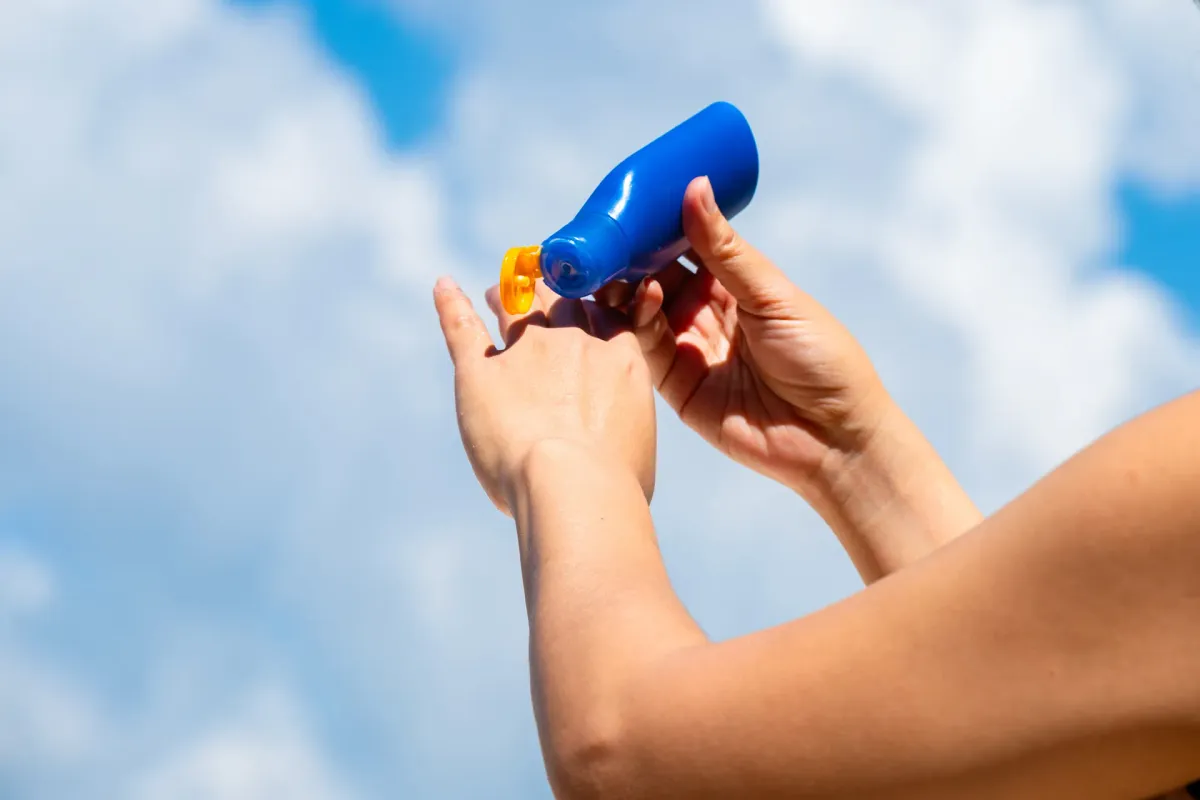
For two decades, America's sunscreen aisle has been stuck in a time warp. While Europe and Asia were slathering on advanced UV blockers, the U.S. was… well, waiting. But now, after 20 years, the FDA has finally approved a new general sunscreen ingredient: bemotrizinol, or BEMT.
This isn't just about a fresh face in the ingredient list. It's about a sunscreen filter that offers broader, longer-lasting protection than much of what we've had on shelves. And it comes at a rather opportune moment, given that melanoma rates have been steadily climbing. Because apparently, we're still not quite as good at avoiding the sun as we think we are.
Why the Wait?
So, why the hold-up? For years, the U.S. treated sunscreen filters like pharmaceutical drugs, demanding rigorous, clinical trial-level testing. This meant a lengthy, bureaucratic process that left us in the dust compared to other regions, which classify sunscreens more like cosmetics or quasi-drugs.
We're a new kind of news feed.
Regular news is designed to drain you. We're a non-profit built to restore you. Every story we publish is scored for impact, progress, and hope.
Start Your News DetoxThankfully, a new law, the aptly named SAFE Sunscreen Standards Act (passed in November 2025 – yes, the future is now), shook things up. It allows the FDA to consider real-world data, not just traditional trials. This change has streamlined the process, making it clearer and more flexible, and hopefully paving the way for more global innovations to reach our shores.
BEMT's Big Benefits
Also known as Tinosorb S, BEMT brings a few key advantages to your skin-saving arsenal:
- Broad-spectrum protection: It shields against both UVA (the aging and cancer-contributing rays) and UVB (the sunburn and cancer-causing culprits). Many older U.S. filters were a bit more focused on UVB, leaving you slightly exposed.
- Photostable: This fancy word means it doesn't break down and lose effectiveness when exposed to light. The only other chemical UVA filter approved here, avobenzone, needs help from other ingredients to stay in the game.
- No ghostly glow: Unlike mineral sunscreens (looking at you, zinc oxide), BEMT won't leave you looking like you've just seen a ghost. A win for vanity, and for not looking like a mime at the beach.
- Stays on the surface: Studies show very low absorption into the bloodstream, addressing a common concern about chemical sunscreens. It mostly just chills on your skin, doing its job.
BEMT is expected to hit manufacturing lines starting in August, with an 18-month exclusivity period under the brand name Parsol Shield. So, get ready to see it in your favorite lotions soon.
The Bigger Picture
While BEMT is a welcome upgrade, it's worth noting that other promising filters like Tinosorb M and Mexoryl XL have been available in Europe and Asia for a while and might be next in line for U.S. approval. Because when it comes to sun protection, the more options, the better.
Despite 79% of Americans using sunscreen (a growing number!), melanoma rates continue to rise. This is partly a legacy of past trends – the tanning craze of the 50s and 60s, and the indoor tanning boom of the 80s. Turns out, those bronzed looks came with a long-term tab.

Remember, sunscreen is just one piece of the puzzle. The pros still recommend a multi-pronged attack: avoid peak sun (10 a.m. to 4 p.m.), seek shade, and wear protective clothing like hats and UPF-rated gear. Especially for outdoor workers, UPF clothing is a no-brainer – no reapplication needed. And for the tiny humans, BEMT is approved for ages 6 months and up; infants younger than that should stick to shade and protective clothing.
Enjoying the great outdoors safely means being smart about sun exposure. And now, at least, our sunscreen options just got a little smarter too.