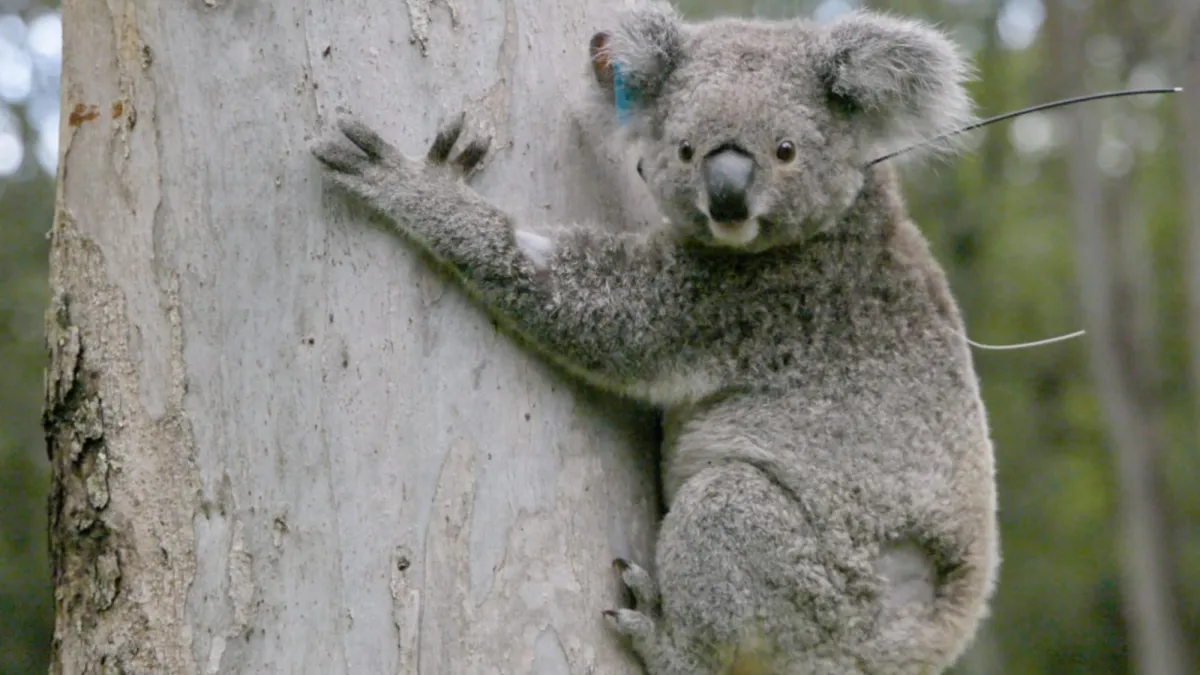
Australia's koalas are iconic, fluffy, and, unfortunately, facing an invisible enemy: chlamydia. This isn't just a minor inconvenience; it's a serious, widespread threat that can leave them infertile, weak, and blind. In some koala communities, a staggering 90% of the population is infected, pushing these marsupials onto the endangered list in several key regions. It's a rough deal for a creature that mostly just wants to nap and munch eucalyptus.
For over a decade, scientists have been scrambling for a solution. While a chlamydia vaccine for koalas was finally approved in 2025, the challenge remained: how do you vaccinate an entire wild population that would rather be anywhere but in a vet's hands? Capturing them once is hard enough; twice for two separate shots is a logistical nightmare.
The Implant Revolution
Enter the vaccine implant. This clever little device delivers two doses of the vaccine in one go, dissolving over time to release the second dose about a month later. Think of it as a tiny, life-saving time capsule.
We're a new kind of news feed.
Regular news is designed to drain you. We're a non-profit built to restore you. Every story we publish is scored for impact, progress, and hope.
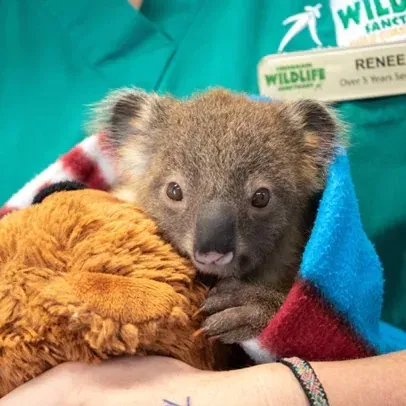
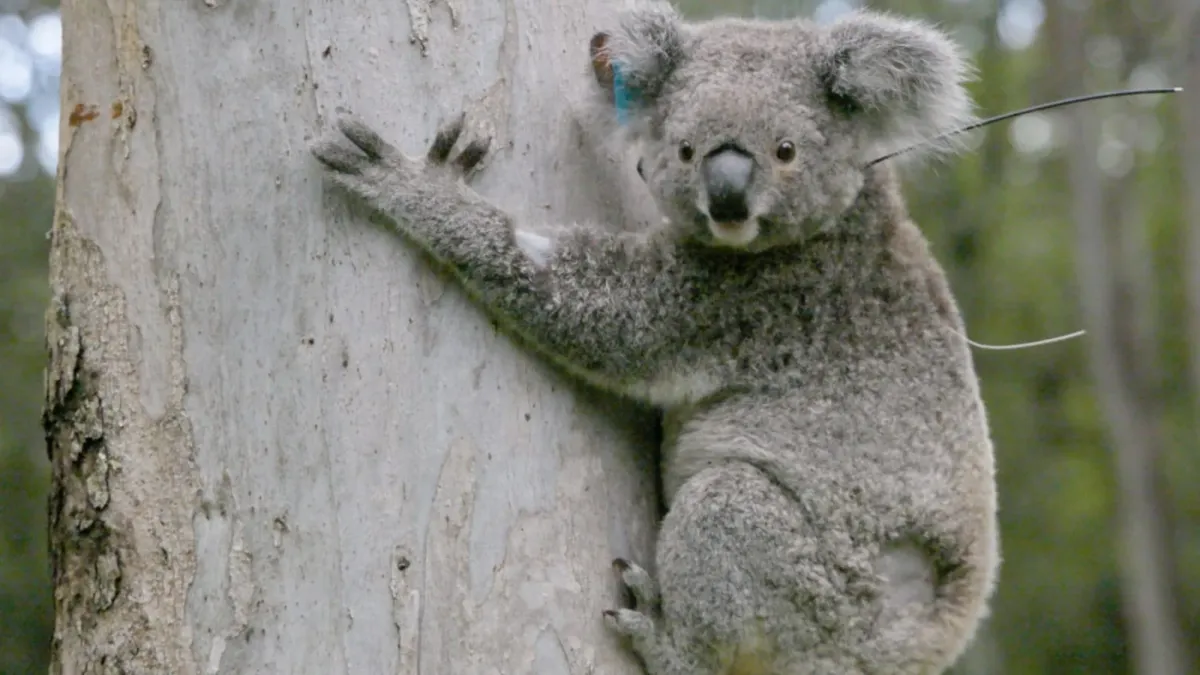
Start Your News DetoxThe very first wild koala to get this pioneering implant was an 18-month-old female named Bamse. Her name, rather fittingly, means "teddy bear" in Norwegian. On May 19th, at Currumbin Wildlife Hospital, Bamse became a trailblazer for her species. Michael Pyne, a wildlife vet there, called it a "massive breakthrough" – transforming a two-injection process into a single, less stressful interaction. Which, for both koala and vet, is undeniably a win.
Since Bamse's big day, four more wild koalas have received the implant. Early checks show Bamse and another recipient are still chlamydia-free a month later. If this success holds up in wider wild populations, it means large-scale vaccination just got infinitely more feasible, offering a genuine shot at turning the tide for these beloved creatures. Tanya Pritchard of the World Wildlife Fund even suggested Bamse might become one of the most important koalas of the century. No pressure, Bamse, but the fate of your fuzzy brethren might just be resting on your tiny, vaccinated shoulders.