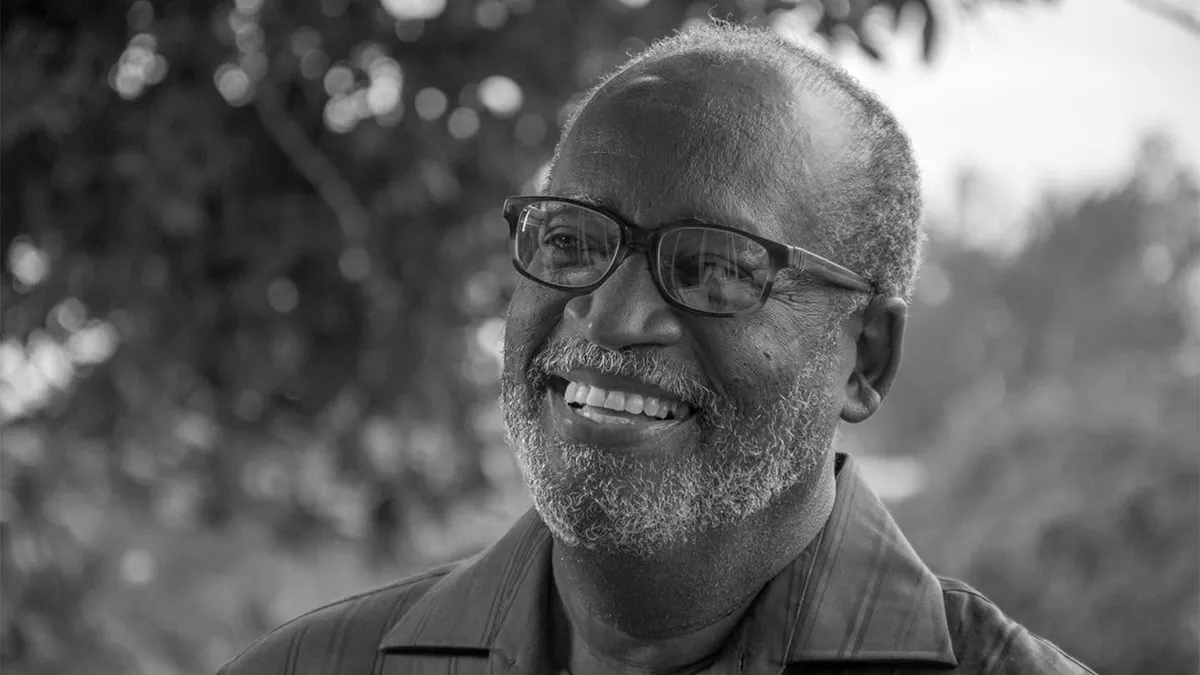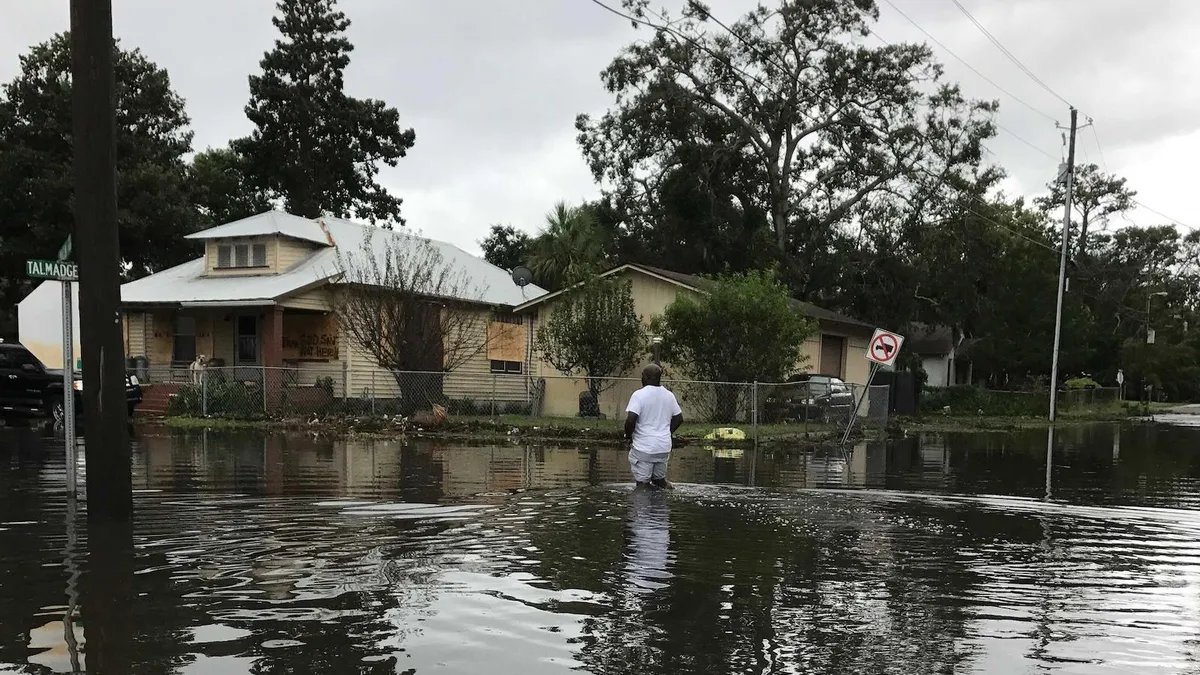
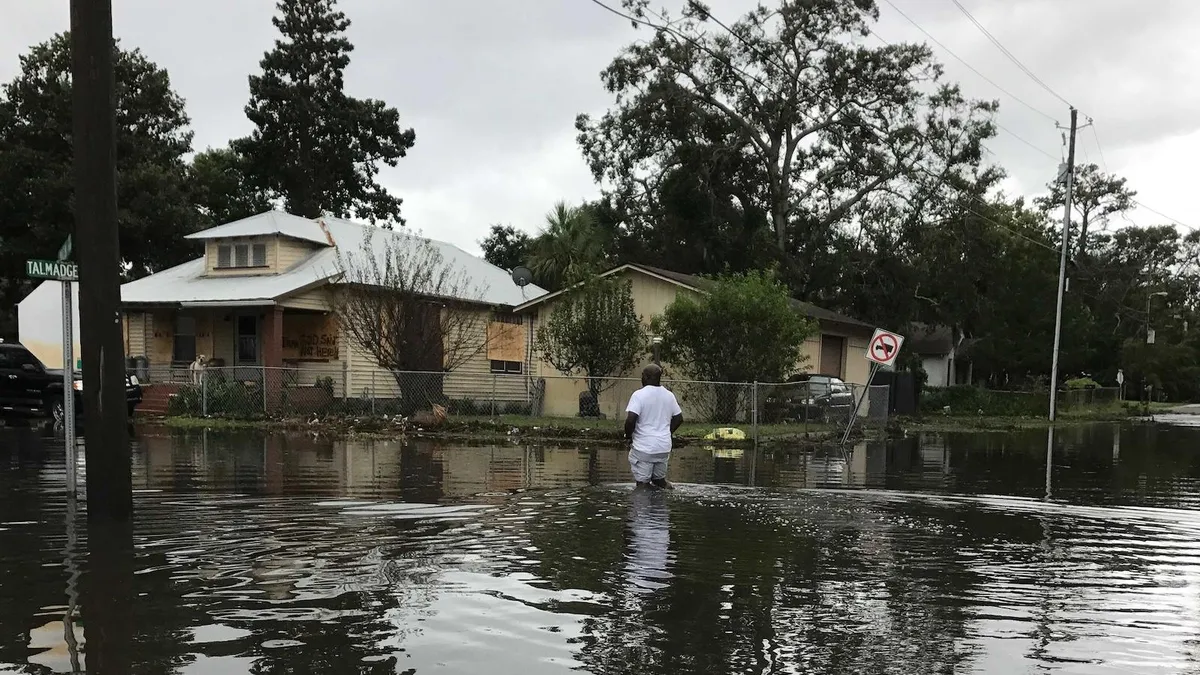
Imagine your street turning into a canoe path after a hurricane, floodwaters reaching your knees regularly. That's life for Semona Holmes in Brunswick, Georgia, where high tides and heavy rain are a frequent, unwelcome guest. But for Semona and her neighbors, the water isn't just a nuisance; it's a carrier. A carrier of the toxic legacy from a former pesticide plant, now a federal Superfund site, just half a mile from her home. "Everything from that chemical plant has flowed into our community," she says, and the worry is palpable.
The $15 Million Question: What's in the Water?
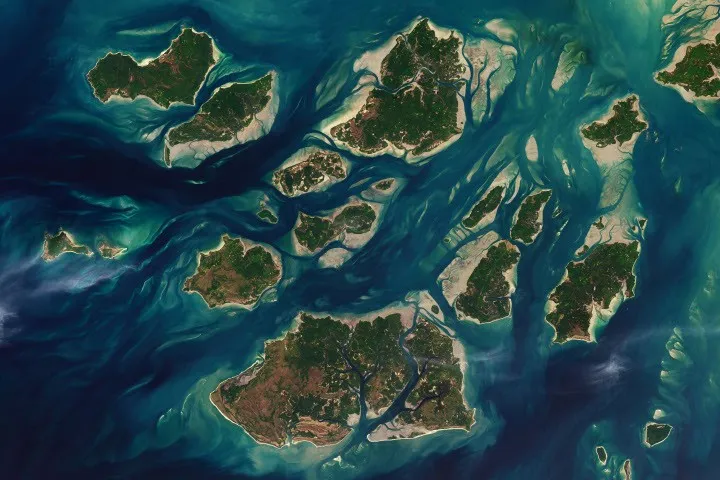
Because apparently, that's where we are now: needing a team of scientists to figure out what exactly is floating through people's neighborhoods. Six institutions, including Emory University and Georgia Tech, just landed a cool $15 million from the National Institute of Environmental Health Sciences to launch Georgia's first Superfund research center. Their mission? Spend the next five years digging into Glynn County's four toxic Superfund sites, one of which is practically in Semona Holmes's backyard.
Noah Scovronick, an Emory public health professor, sums up the two-pronged approach: "One is to understand the health effects of past chemical exposures, and the other is to try and reduce people’s future exposures." Which, if you think about it, is both impressive and slightly terrifying.
We're a new kind of news feed.
Regular news is designed to drain you. We're a non-profit built to restore you. Every story we publish is scored for impact, progress, and hope.
Start Your News DetoxWhen Climate Change Meets Contaminated Soil
Here's where it gets even more complicated: climate change. The researchers aren't just looking at past contamination; they're modeling how rising seas and stronger storms will stir the pot. Toxic materials at these sites are often contained under special caps or structures. But what happens when a hurricane-force flood rips through those defenses? You guessed it: more exposure. Scovronick emphasizes that ongoing cleanup efforts need to be robust enough to withstand whatever extreme weather the future throws at them.
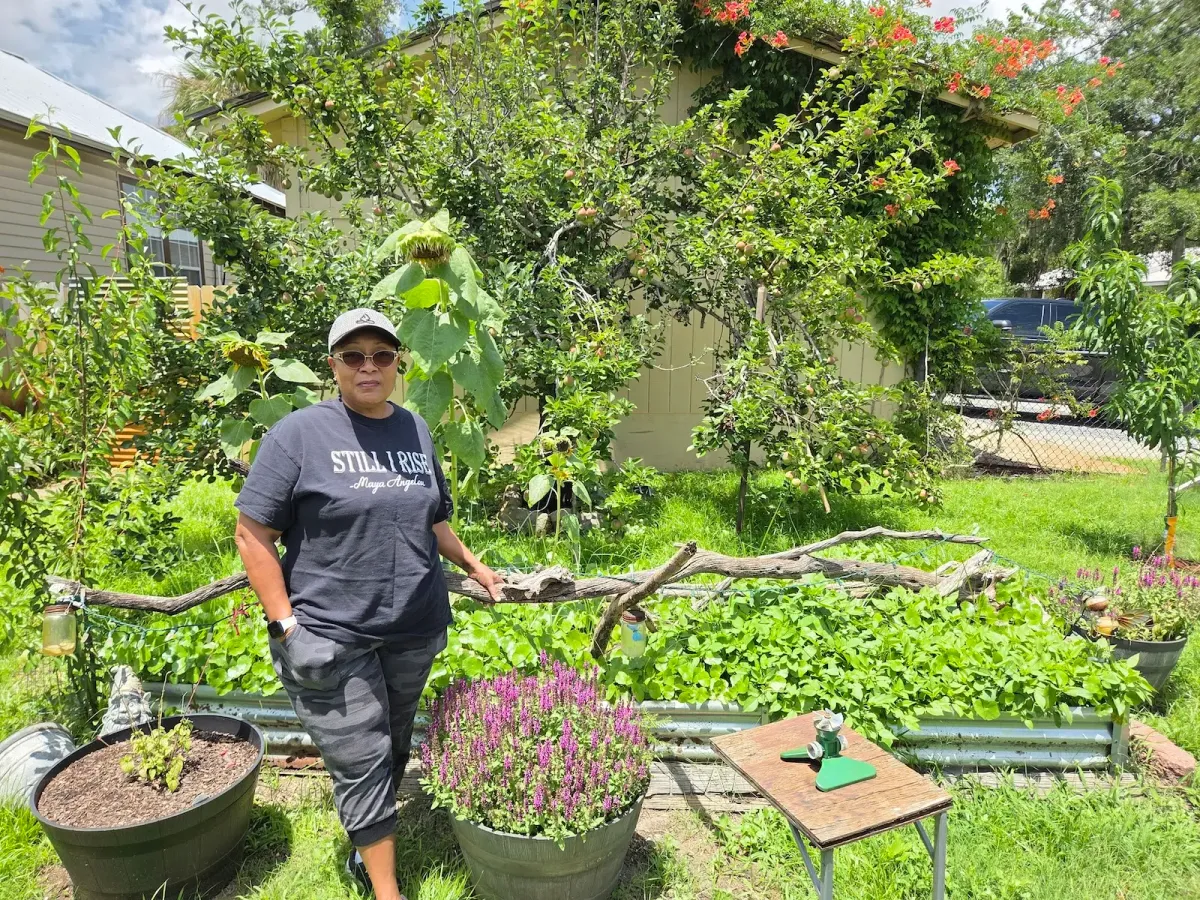
For Semona Holmes, this isn't abstract science. Her family already avoids tap water and local seafood. Her six grandchildren attend an elementary school just blocks from one of these toxic sites. She wants answers, not just about what they've been exposed to, but about who will take responsibility. "It shows that you care about humanity," she says, when companies acknowledge, "Yeah, by our actions, we have possibly contaminated an entire county." Because beyond the acknowledgement, she stresses, "there has to be continued action."
It’s a stark reminder that some messes don't just wash away with the tide; they get magnified by it.