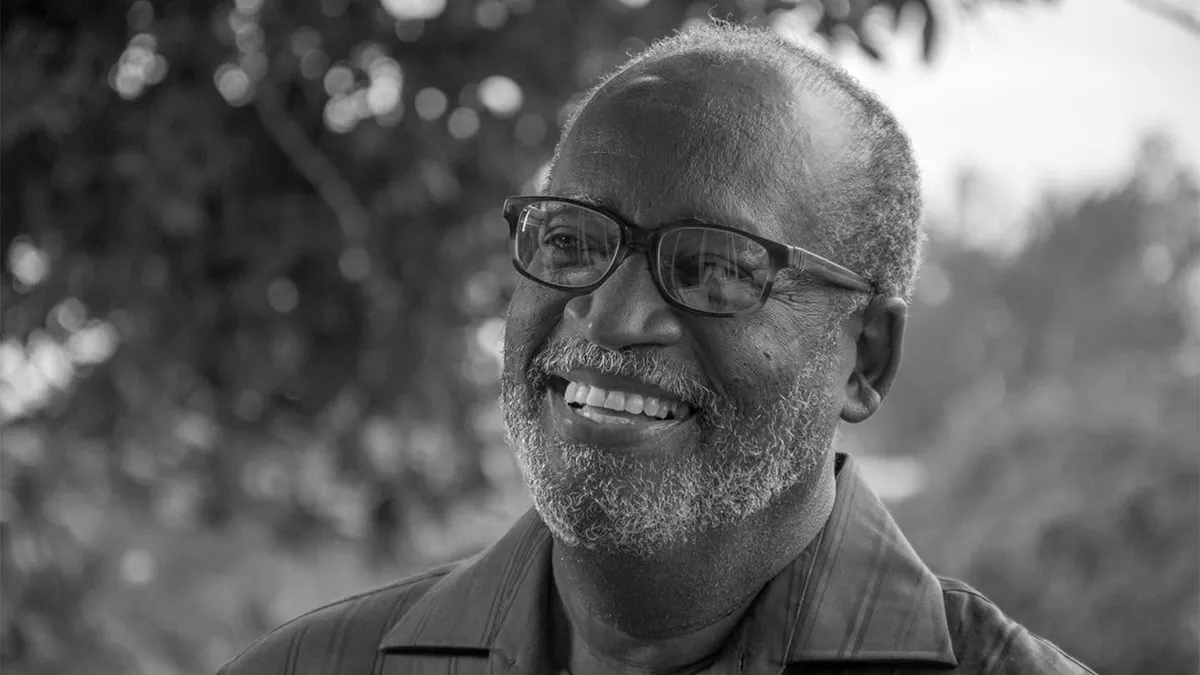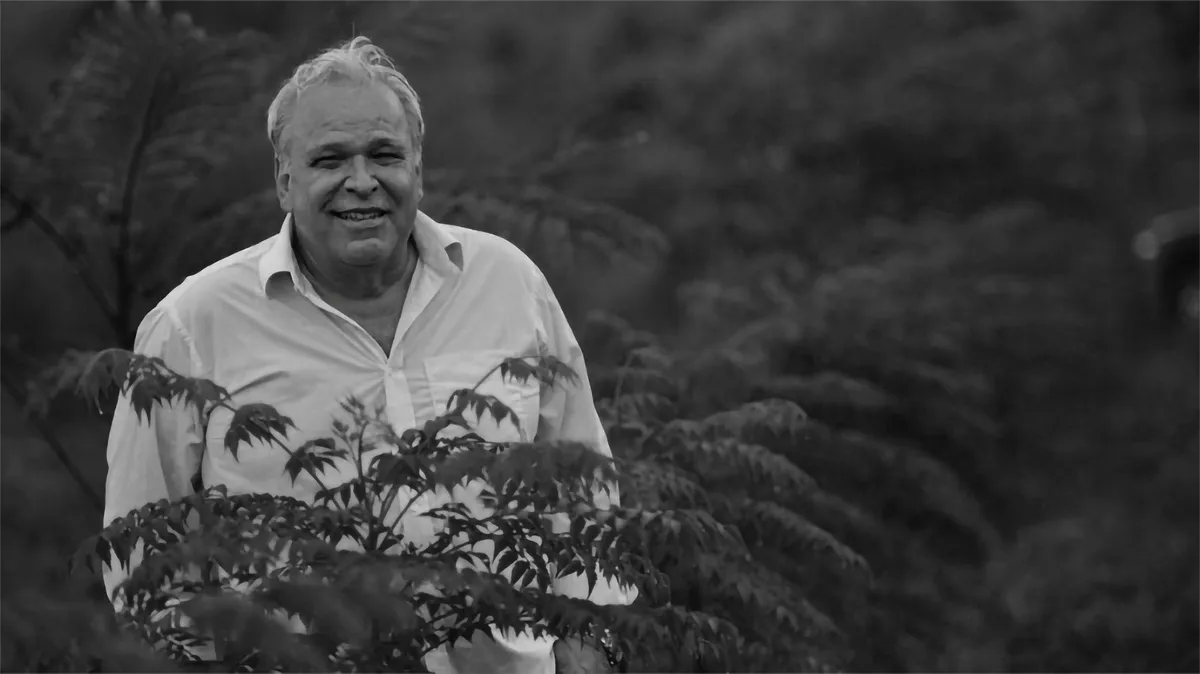
In 1977, a forest engineer named Renato Moraes de Jesus was dispatched to a rather neglected corner of Brazil's Atlantic Forest. His mission, courtesy of a mining company, was to figure out how to cut down the remaining trees for railway sleepers. Two hundred hectares were already gone. The consensus from other experts? Cut more, or maybe just plant some eucalyptus and call it a day.
Moraes de Jesus, however, had other ideas. He found little support and even less of a plan, so he moved into an old house in the forest. His first order of business (after, presumably, shooing the opossums off the roof)? Get a working telephone. He passed away on May 23rd at 74, but not before spending over three decades turning that neglected plot into the now-famous Vale Natural Reserve, a vital hub for Atlantic Forest research and restoration.
The Accidental Preservationist
The company that sent him there gave him no specific instructions beyond the original, unfortunate directive. Moraes de Jesus took this as a sign. He decided his actual first tasks were to stop fires, end hunting, and meticulously document every single species in the forest. His ultimate goal was to use that knowledge to bring native trees back to land ravaged by mines, roads, farms, and industry. He later joked that the company had simply forgotten he was there, which, if you think about it, is both impressive and slightly terrifying.
We're a new kind of news feed.
Regular news is designed to drain you. We're a non-profit built to restore you. Every story we publish is scored for impact, progress, and hope.
Start Your News DetoxThat corporate forgetfulness, it turns out, was his superpower. It gave him the freedom to protect nearly 23,000 hectares of forest, establish biological collections and labs, and lure scientists into the jungle. The early years were no picnic; the region was violent, he let go of many workers, and for a while, he carried a revolver. Death threats were apparently part of the job description.
But he stuck with it. And because he did, a forest destined for railway ties became a vibrant, living laboratory, proving that sometimes, the best way to get a job done is to completely ignore the original instructions.