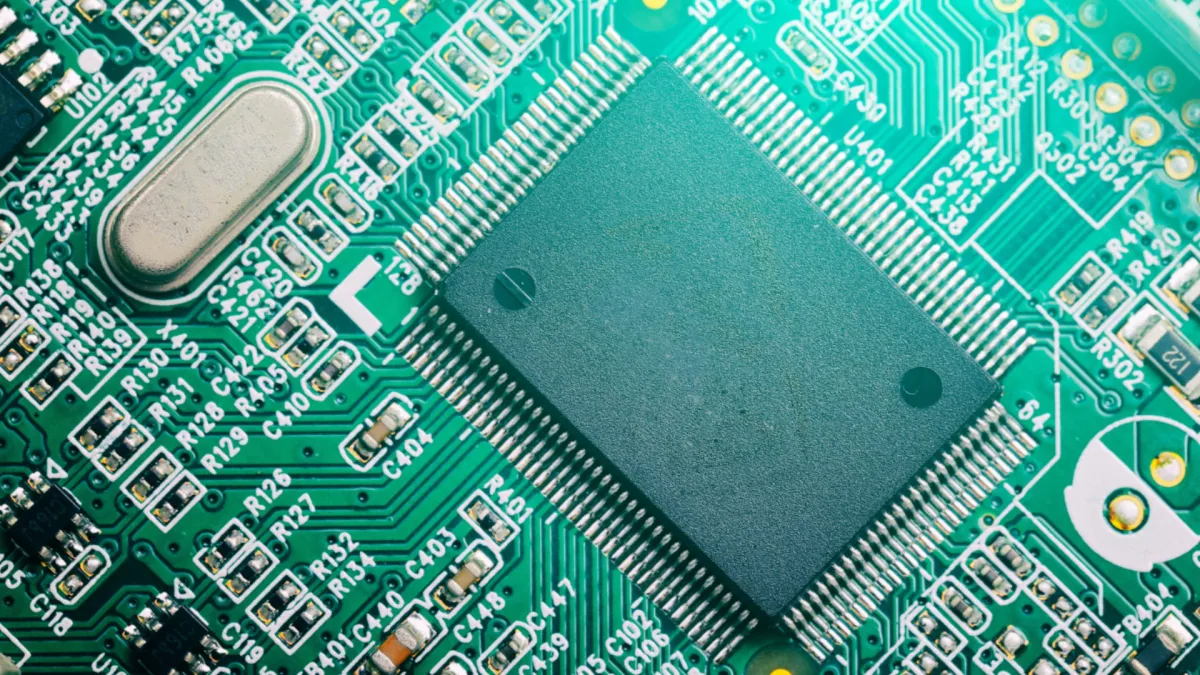
Everyone's buzzing about AI's latest algorithms and how much processing power they need. But lurking beneath the surface, the true unsung heroes of this revolution are the advanced materials that actually build the future. Because apparently, even world-changing AI still needs something physical to run on.
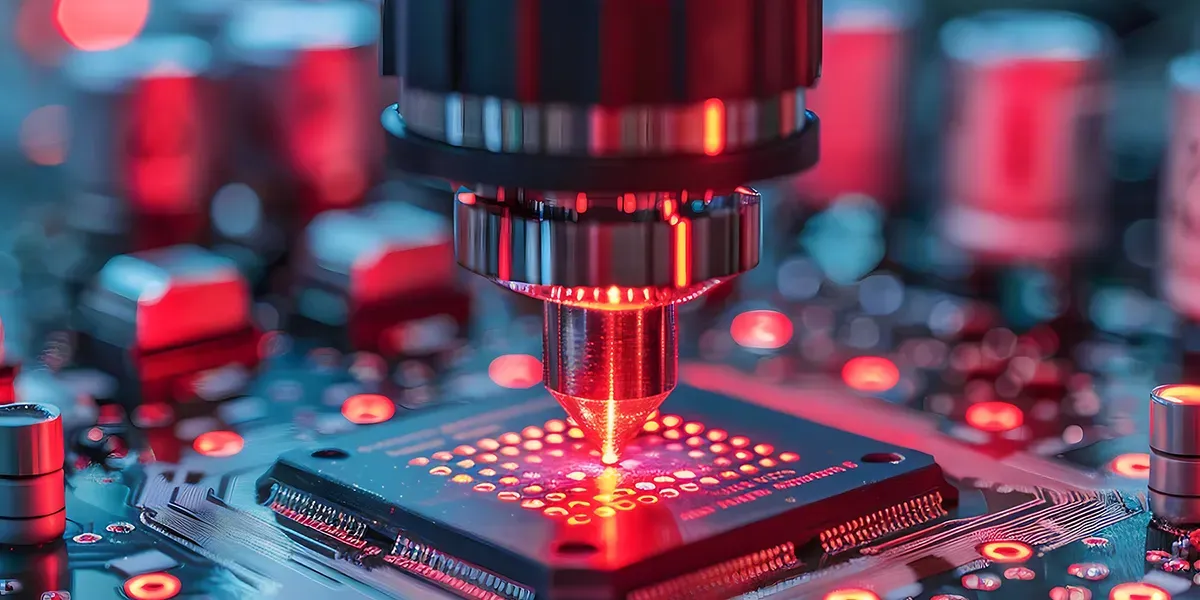
Think about it: every new generation of AI demands more speed, more memory, and less energy. And that all boils down to the stuff chips are made of. Manufacturing a single semiconductor chip is an epic journey involving thousands of meticulous steps. One tiny error, one microscopic impurity, and poof — expensive defect. So, these new chips aren't just asking for better materials; they're demanding materials that are purer, tougher, and more stable than ever before.
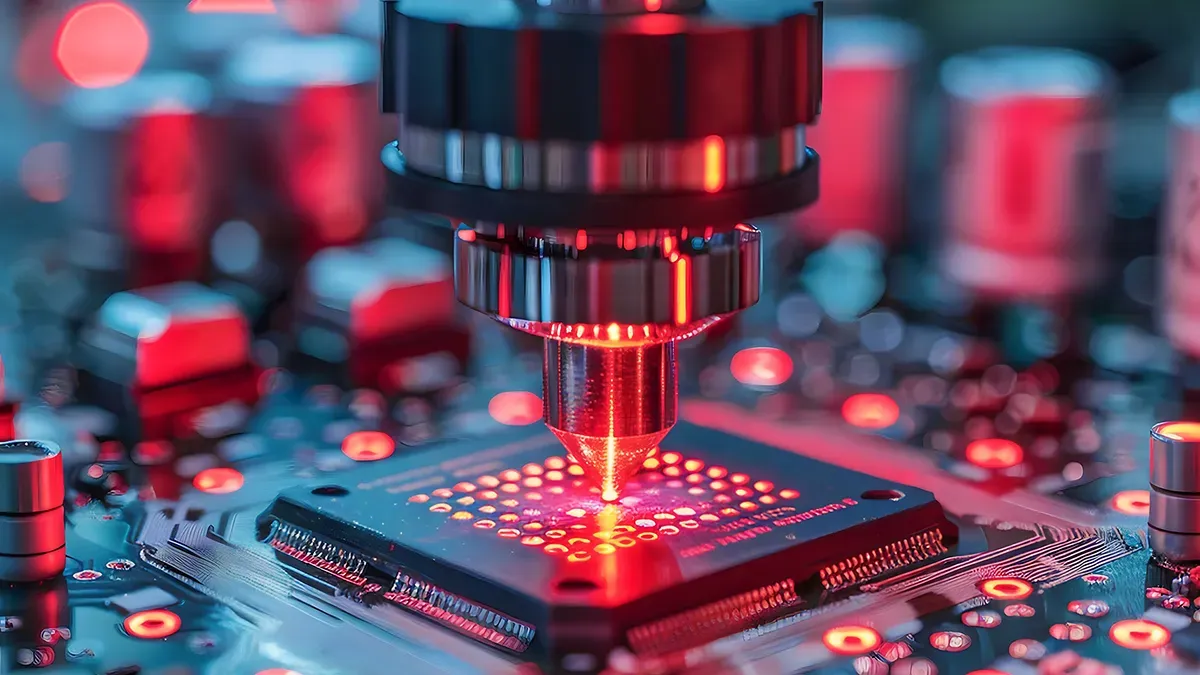
It’s not about reinventing the wheel; it’s about making sure the wheel keeps getting better, faster, and more heat-resistant. This applies to data centers, too. As AI workloads balloon, data centers become super-stressed teenagers. They need better cooling, higher voltage, more storage, and faster data transfer. Every single component, from the wires to the fans, is screaming for an upgrade.
We're a new kind of news feed.
Regular news is designed to drain you. We're a non-profit built to restore you. Every story we publish is scored for impact, progress, and hope.
Start Your News DetoxEnter companies like Syensqo, who are basically the MacGyvers of materials science. They’re taking fluid-circulation smarts from, say, car coolant systems and adapting them for the direct liquid-cooling designs needed in AI servers. Because who knew that keeping your CPU from melting had anything in common with preventing your engine from overheating? It's that kind of cross-pollination that speeds up new power and thermal solutions, keeping our AI from having a meltdown.
Performance, With a Conscience
Now, it’s not just about raw power anymore. Performance has a new definition: responsibility. Materials don’t just have to be amazing; they have to be made amazingly. Take the perfluoroelastomers that seal semiconductor equipment, working in conditions that would make most materials throw in the towel. Syensqo’s next-gen versions are manufactured without fluorosurfactants, which means they’re both high-performing and more sustainable. Suddenly, manufacturers don’t have to choose between saving the planet and building a faster chip. Which is nice.
Of course, no one adopts a new material unless it solves a real engineering headache or unlocks a shiny new tech. The qualification process can take years. So, while performance is still the bouncer at the door, responsible manufacturing is now part of the VIP pass from day one.
AI Helping AI (No, Not Like That)
Developing these advanced materials used to be a long, tedious slog of trial and error. But guess what’s helping speed up material discovery? AI, of course. It’s like having a super-smart intern who can sift through endless possibilities and flag the most promising candidates, drastically cutting down on physical experiments. This doesn’t replace the scientists, mind you; it just lets them spend less time searching and more time, you know, science-ing.
Syensqo, for instance, uses AI tools like Microsoft’s Discovery platform to pinpoint molecular candidates for heat transfer fluids. This lets their researchers focus lab work where it actually matters, turning promising materials into deployable solutions much faster. The journey from a promising molecule to a qualified material still demands human brains and rigorous testing, but AI ensures that materials innovation can actually keep pace with industries that move at the speed of light.
Because in the end, the future of AI isn't just about clever algorithms or bigger data centers. It's about the very foundations they're built upon. And every new generation, every new chip, every new material has to earn its place. Which, if you think about it, is a pretty satisfying way to build the future.