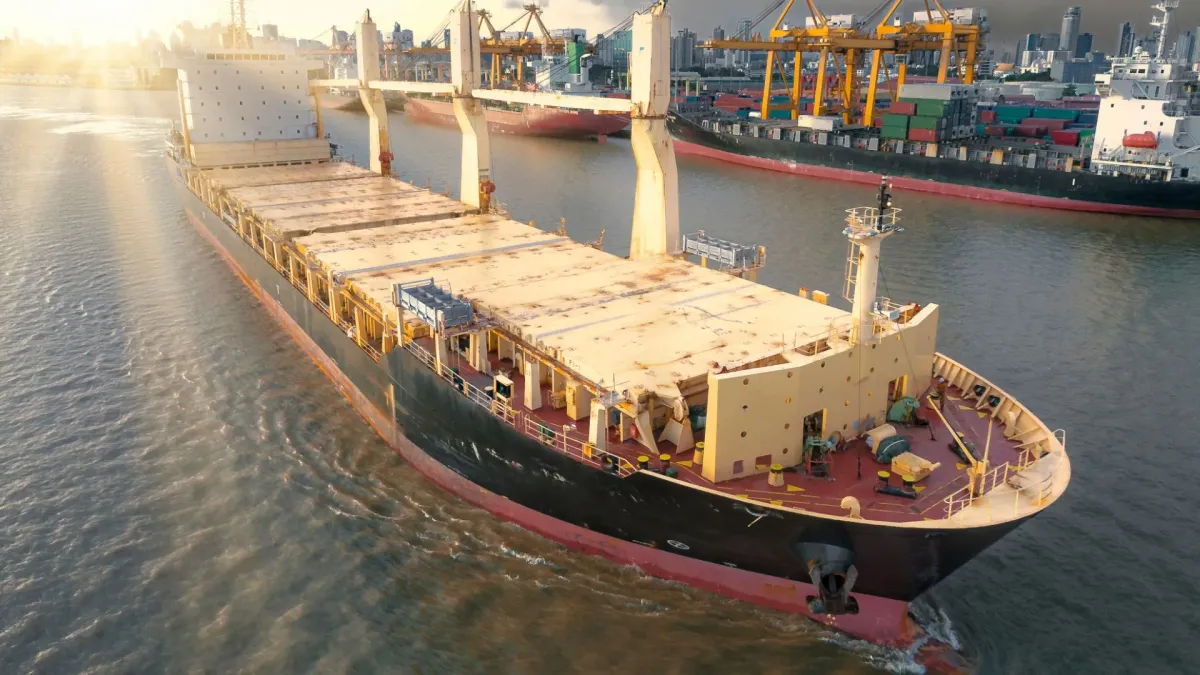
Imagine a massive cargo ship that never needs to stop for gas, chugging along for years on a single tank of… well, nuclear fuel. That's the vision just given a preliminary nod by the American Bureau of Shipping (ABS), bringing military-grade propulsion to the civilian shipping world.
Developed by the Korea Research Institute of Ships & Ocean Engineering (KRISO), this isn't just a concept sketch. We're talking about a 15,000-container behemoth powered by not one, but two small modular reactors (SMRs). Because apparently, that's where we are now.
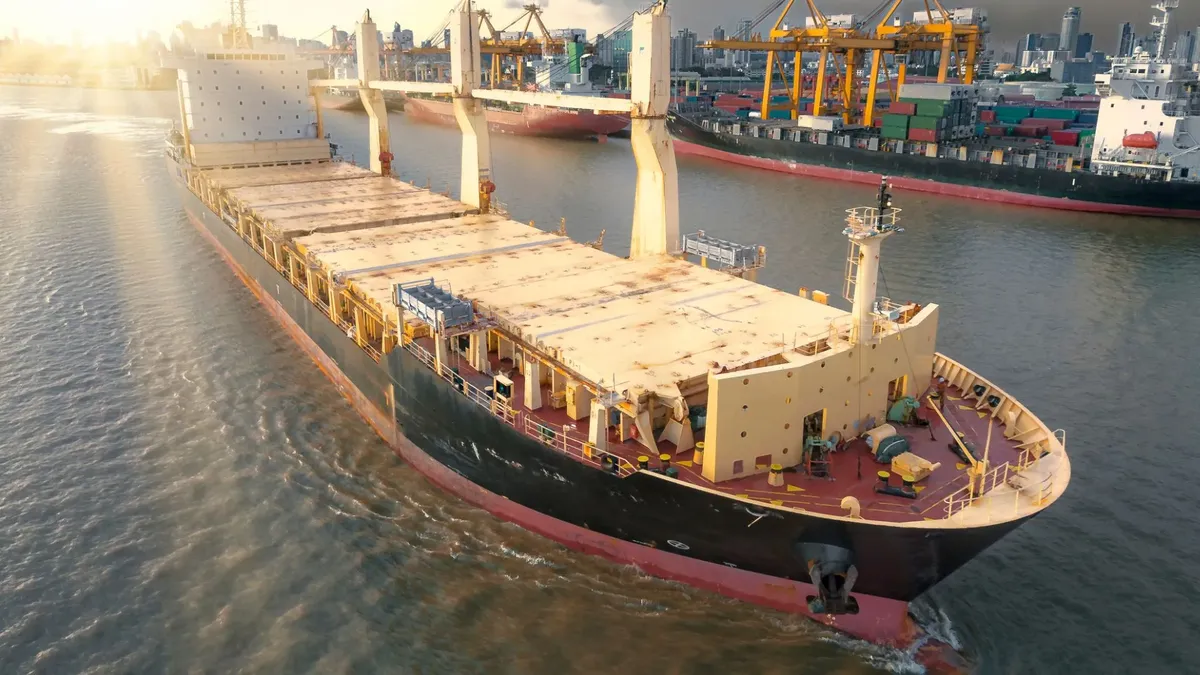
KRISO President Hong Ki-yong sees these SMR-powered vessels as the next big thing, emphasizing how crucial it is to nail down the design tech for the harsh marine environment. And let's be honest, you probably want that tech nailed down when nuclear power is involved.
We're a new kind of news feed.
Regular news is designed to drain you. We're a non-profit built to restore you. Every story we publish is scored for impact, progress, and hope.
Start Your News DetoxMolten Salt, Smooth Sailing
These aren't your grandpa's high-pressure reactors. This design uses marine Molten Salt Reactors (MSRs), which run on liquid fuel salt at low pressures. The upside? Less risk of sudden pressure drops and stress on the containment system. Think of it as the chill, low-key nuclear option.
They provide steady heat for epic voyages, meaning no pit stops for refueling for years. Which, if you think about it, is both impressive and slightly terrifying.
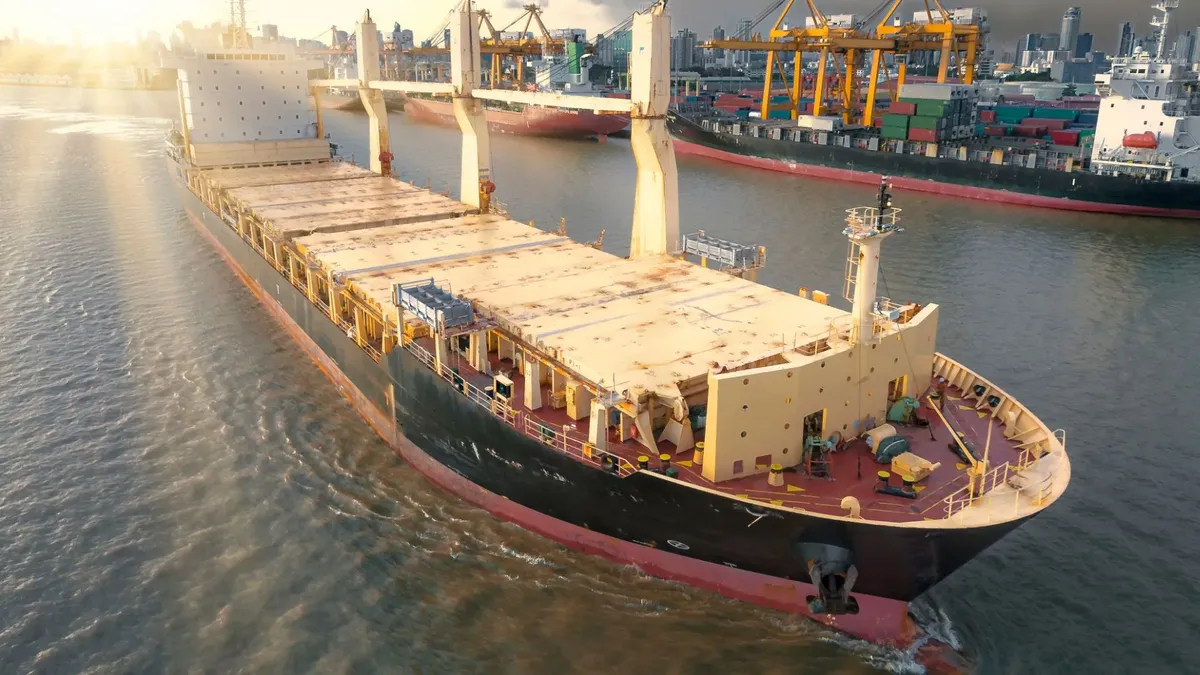
The ship's power plant has to juggle the vessel's constantly changing energy demands with that steady nuclear output. So, both MSRs hook up to an integrated Energy Storage System (ESS) in a parallel power-sharing setup. If one reactor needs a breather or a tune-up, the second reactor and a battery bank step in to keep the electrical grid humming. This ingenious setup prevents thermal cycling issues in the nuclear core and offers instant power for tricky maneuvers.
Baek Bu-geun, a lead researcher at KRISO, points out that slapping SMRs onto a ship means taking a deep dive into reactor safety, ship structure, operations, and, of course, the salty embrace of the marine environment. No small feat.
More Cargo, Fewer Headaches
The engineers got clever. By ditching the traditional fuel oil tanks and exhaust funnels, they carved out more internal space for, you guessed it, even more cargo containers. The dual-reactor compartment sits smack-dab in the center of the Neo-Panamax hull. This central placement isn't just good for looks; it reduces stress from bending at sea and shields the nuclear guts from side impacts. And because nobody wants their crew glowing, the living quarters are shifted forward, away from the reactor room's radiation.
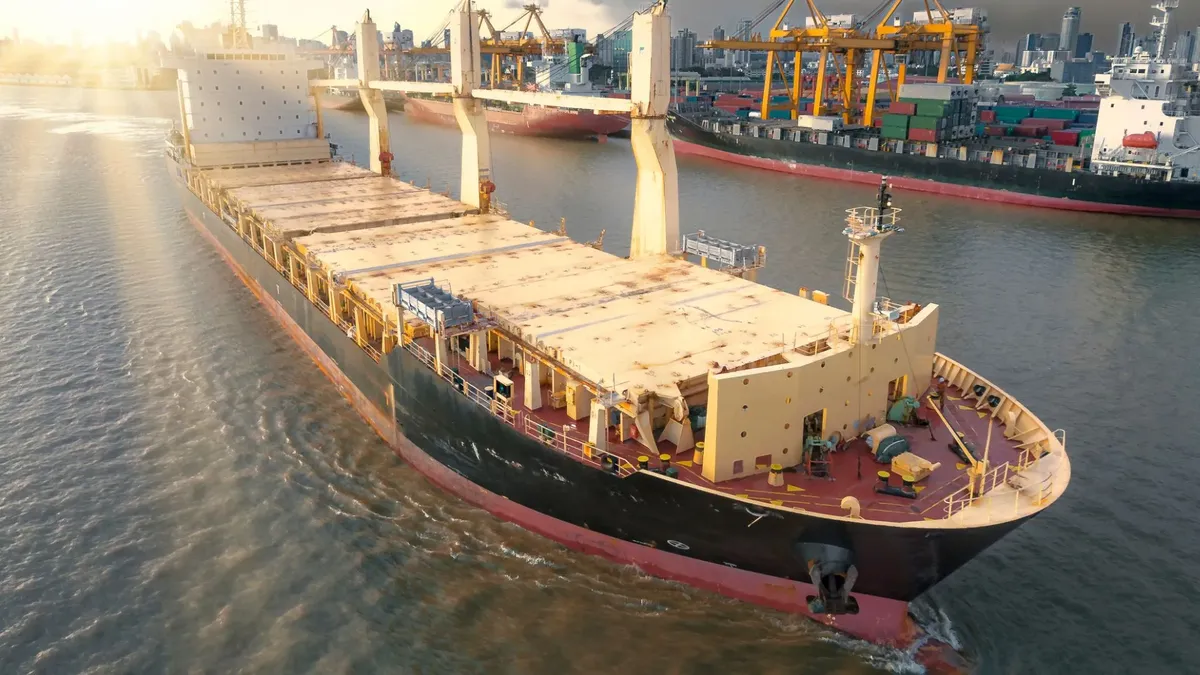
KRISO even used scaled models and hydrodynamic simulations in a deep-sea tank to see how the reactor parts would handle the ocean's mood swings. The data helped them craft a streamlined hull that can cruise at a steady 25 knots, even when the waves get grumpy.
This whole endeavor is a tag-team effort. KRISO and Samsung Heavy Industries focused on the ship's layout and electrical systems, while the Korea Atomic Energy Research Institute (KAERI) designed the specific MSR unit, charmingly named "MARINA." Next up? Detailed structural mapping and figuring out exactly how those reactor systems physically bolt into the ship's hull. Because the devil, as they say, is in the (nuclear) details.