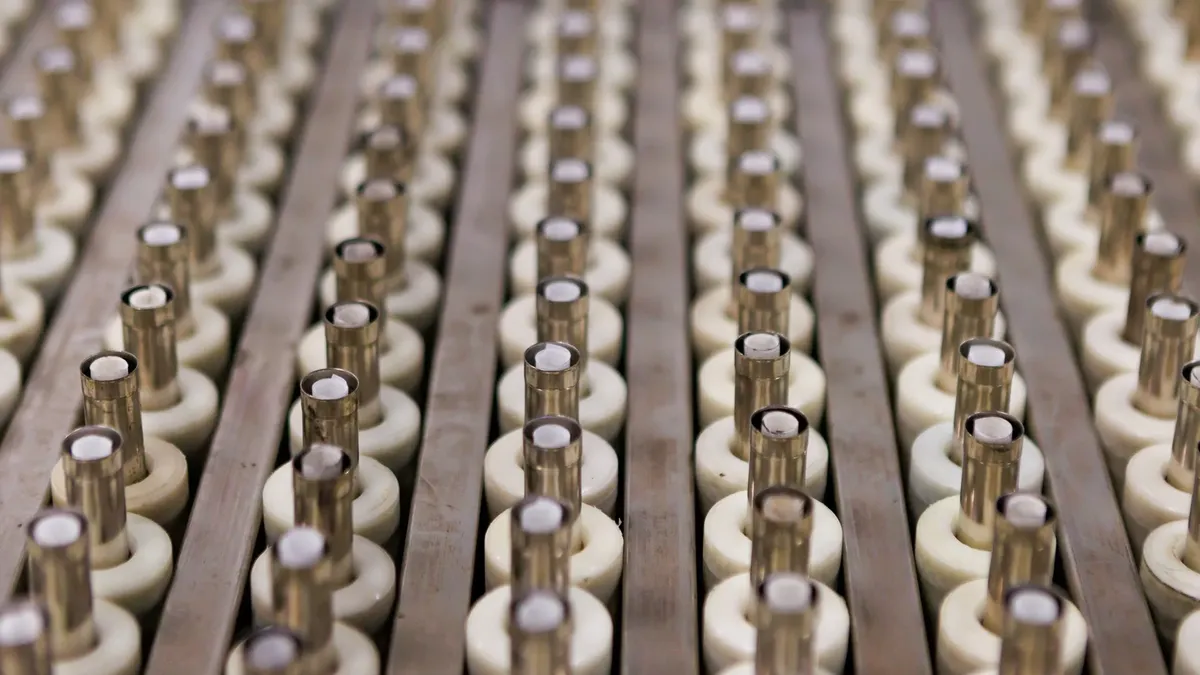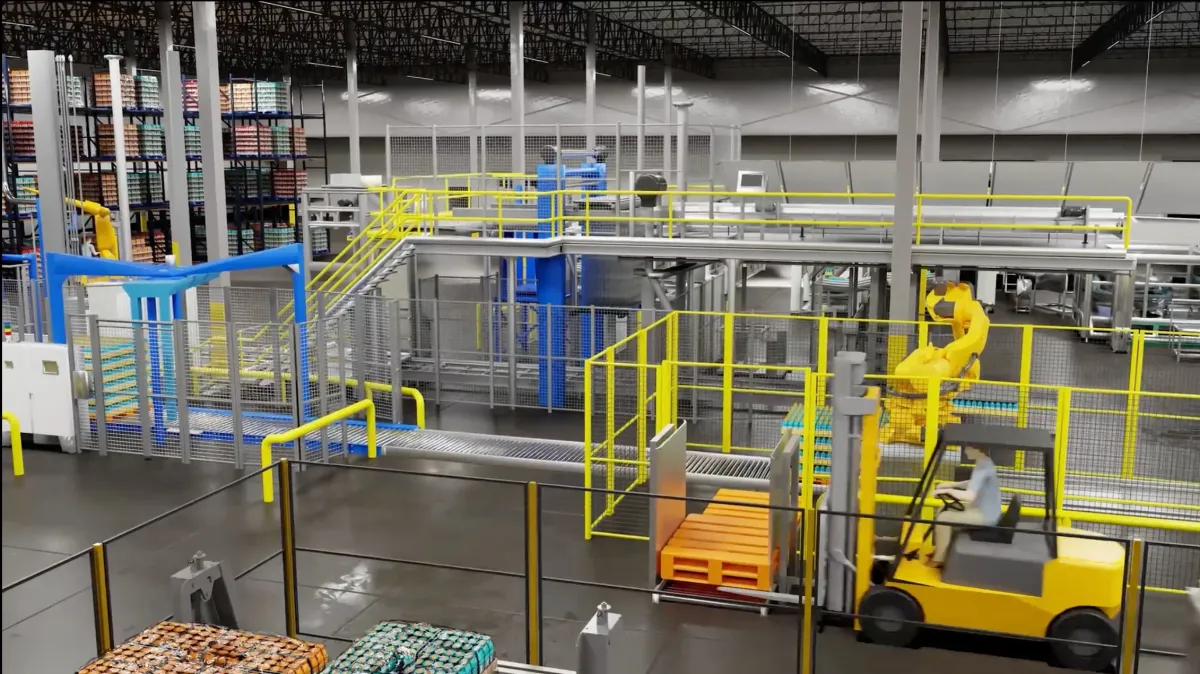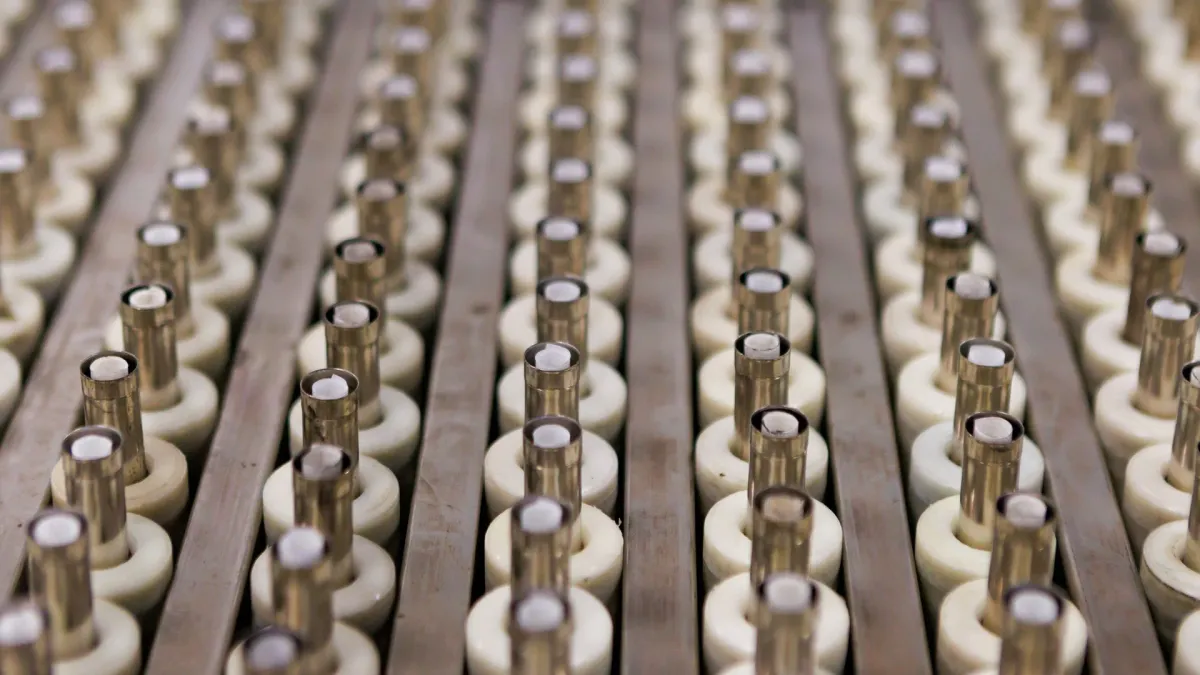
Imagine a battery that just… keeps going. For over 5,000 hours. That's what researchers in China have cooked up: a new kind of flowing zinc battery that redefines 'long-term energy storage.' It's the kind of thing that makes renewable energy grids actually plausible.
Most batteries have a solid zinc part. This one? It uses a flowing, sloshing mix of tiny zinc particles. Think less like a brick, more like a smoothie. This constant movement is the secret sauce, tackling all the old headaches that plagued earlier zinc-based flow batteries.
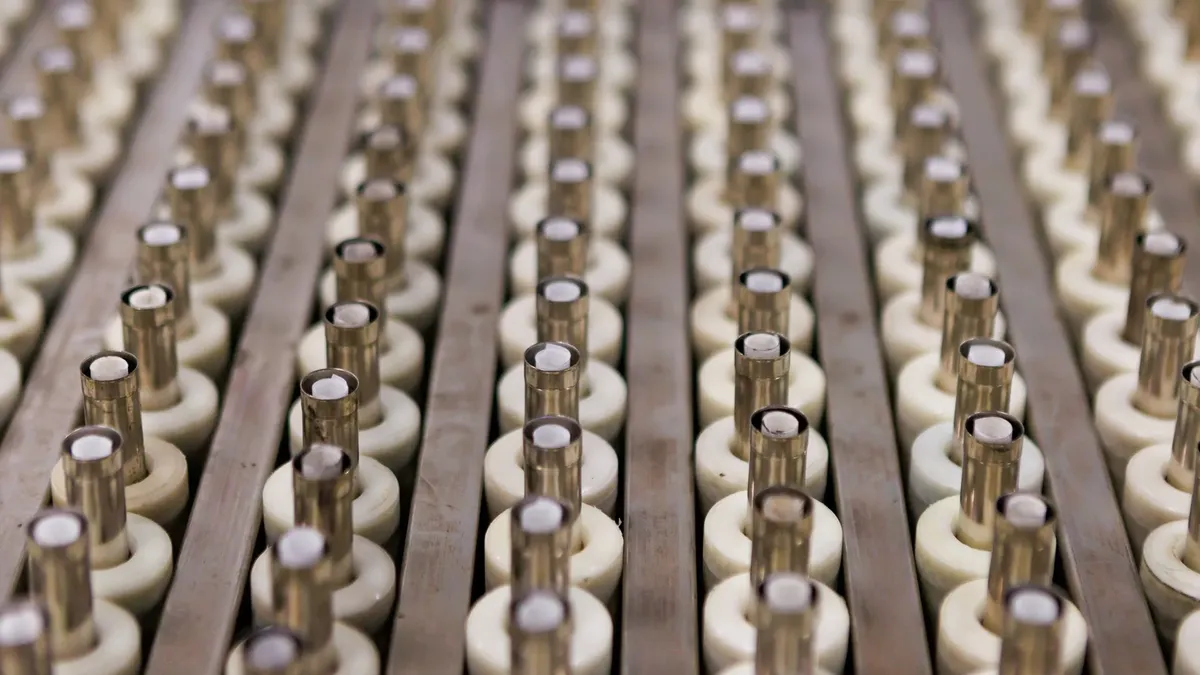
The Zinc Slurry That Could
Scientists at Fudan University and the Chinese Academy of Sciences designed this marvel specifically for the stop-start nature of solar and wind power. It soaks up excess electricity when the sun's blazing or the wind's howling, then releases it when things go quiet. Because, you know, power grids prefer 'on' to 'maybe later.'
We're a new kind of news feed.
Regular news is designed to drain you. We're a non-profit built to restore you. Every story we publish is scored for impact, progress, and hope.
Start Your News DetoxIn lab tests, this thing hit a mind-bending 99.94% Coulombic efficiency. Another version, a zinc-manganese dioxide combo, maintained 81.1% of its capacity after 5,500 charge-discharge cycles. Let that satisfying number sink in. Five-thousand-five-hundred cycles. Your phone battery just collectively gasped.
Fei Wang, a lead author, said the inspiration came from factory processes for making zinc. He realized that same concept could be flipped for energy storage. So, instead of a static slab of metal, you get a dynamic, flowing carrier. It uses tiny zinc particles, a special carbon structure, and a carefully controlled liquid, all working in harmony to stop the zinc from clumping together and keep the reactions stable.
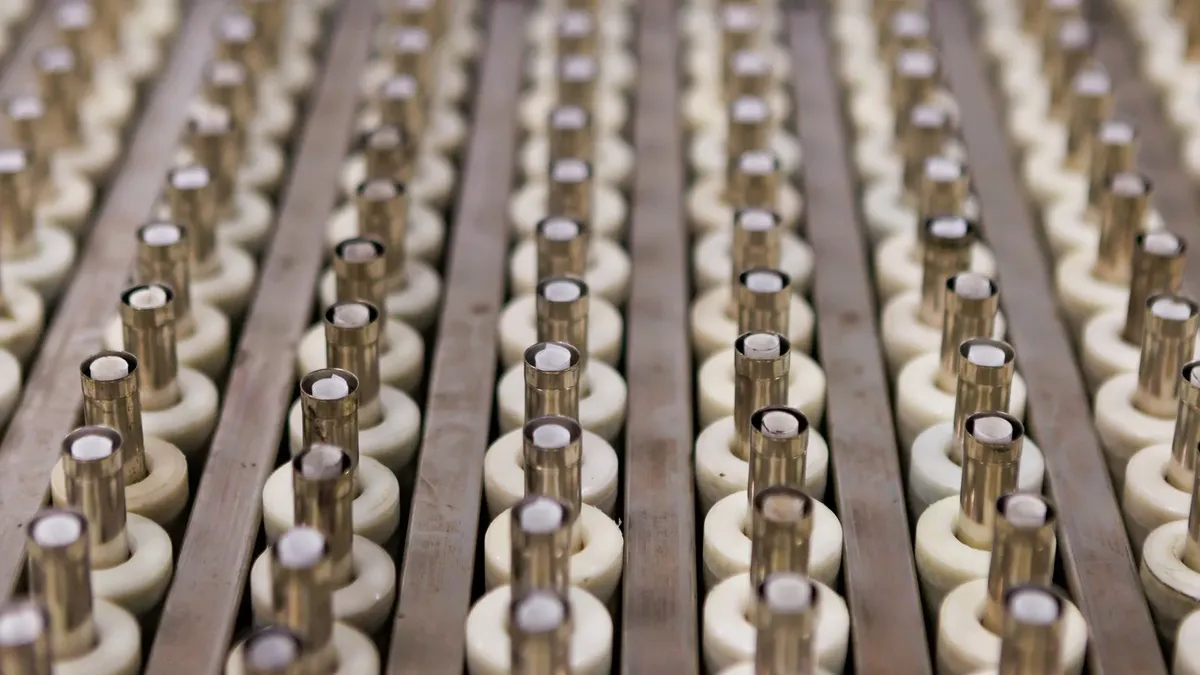
This flowing design is particularly clever because it separates how much energy the battery can hold from how quickly it can deliver it. Which means you can just make the storage tanks bigger for more juice, without having to redesign the entire core battery cell. It’s like adding more fuel to your car without needing a bigger engine.
Wang put it simply: zinc becomes a moving energy carrier, not a static component. This helps sidestep the usual issues like particles sticking together and unstable reactions that plague traditional designs. It's built for the long haul, specifically for large-scale solar and wind farms.
The team's next step is to take this flowing zinc slurry from the lab bench to actual, real-world, long-duration energy storage systems. Because if there's one thing the future of energy needs, it's a battery that simply refuses to quit.