Most of us would rather wrestle a greased badger than talk politics with someone who gasp thinks differently. We assume it's pointless, probably infuriating, and definitely a relationship-ender. But new research is here to politely inform us that we're mostly wrong.
Turns out, we dramatically underestimate how much our opinions — and everyone else's — can shift during a good old-fashioned conversation. "Starting a conversation can be a surprising way to get a wider view of an issue you care about," says lead researcher Michael Kardas. He adds that these chats can actually reduce extreme views, which, let's be honest, is not what most of us are predicting when Aunt Carol brings up [insert hot-button topic here].

The Shocking Power of Chitchat
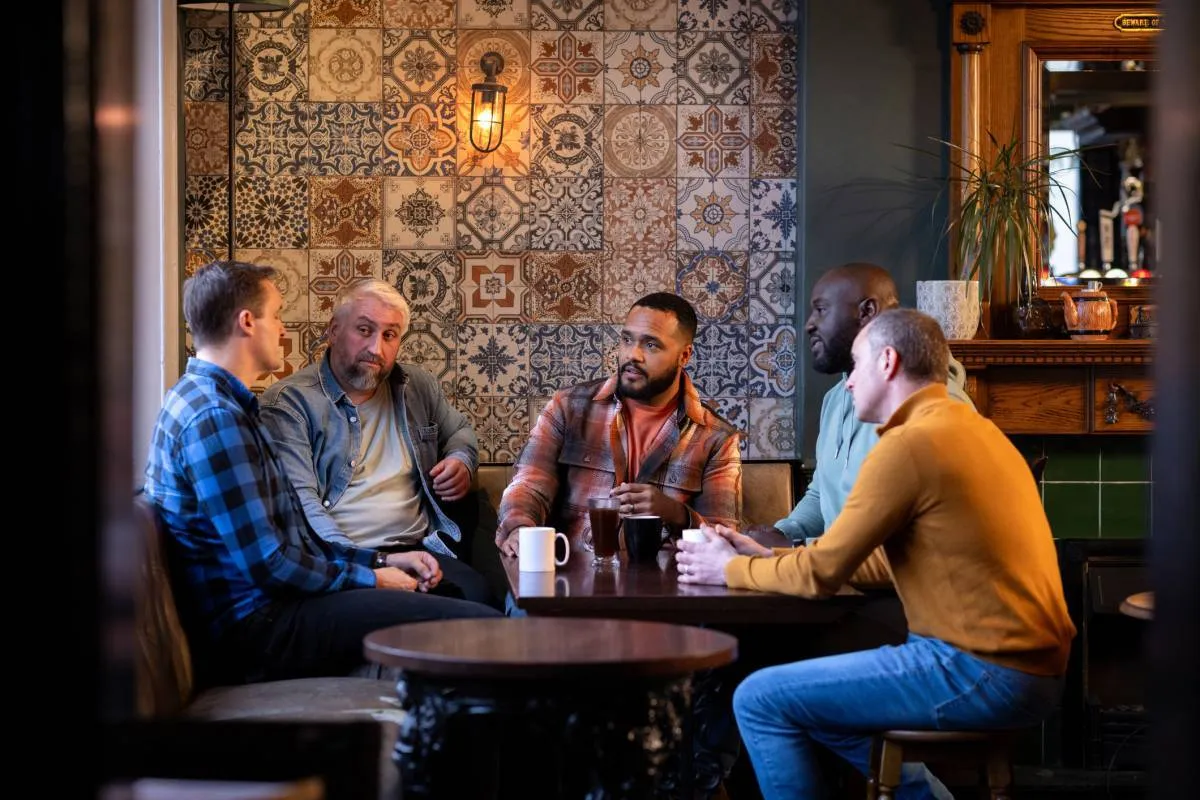
The study rounded up adults from the U.S. and Britain and had them discuss everything from the eternal 'dogs vs. cats' debate to the finer points of cancel culture or a specific presidency. Before their 10-minute talks, participants rated their own views and predicted if anyone's mind (theirs or their partner's) might budge.
We're a new kind of news feed.
Regular news is designed to drain you. We're a non-profit built to restore you. Every story we publish is scored for impact, progress, and hope.
Start Your News DetoxResearchers guided the conversations, making sure people shared their reasons and actually listened to their partner's. After the chat, everyone reported their views again. The results? Minds changed way more than anyone expected. Both their own and their partner's opinions became less extreme. Kardas was surprised, too, noting that people expected basically zero movement.
Even on the high-stakes 'cats vs. dogs' issue, people softened their stances. And a week later? Those less-extreme views largely stuck around. The people whose attitudes shifted the most were also the most likely to hold onto those new perspectives. It seems conversations can offer a lasting way to inform people, which then influences their later attitudes. Who knew?
Why Your Brain Likes a Good Debate
So, why does this happen? Talking to someone with a different viewpoint broadens your perspective. You start to grasp the information they used to form their opinion. For example, one person might support cancel culture thinking of Harvey Weinstein, while another opposes it, thinking of Colin Kaepernick. Hearing both sides helps you find common ground and, crucially, makes your own stance less rigid.
Kardas points out that we often form strong opinions based on a tiny sliver of information. But in a conversation, you realize everyone's focusing on different parts of a complex issue. Without these talks, we're stuck in our own echo chambers, getting information only from sources we already agree with. Which, if you think about it, is both impressive and slightly terrifying.
If we keep expecting these conversations to be useless, we'll keep avoiding them. And we'll keep scrolling social media, surrounded by people who mirror our own views. Because apparently, that's where we are now.

The Cure for Conversation Avoidance
Can simply knowing this make a difference? Kardas and his team ran another experiment. Some participants were told that conversations tend to make views less extreme. Others got no such heads-up. The result? The informed group was significantly more willing to discuss a polarizing issue. It seems our negative expectations are often the biggest hurdle.
Another study found that people overestimated how awful they'd feel listening to opposing politicians. When told their fears were likely overblown, they became 24-34% more open to diverse information. "It tends to be less emotionally jarring than people think it will be when you’re exposed to information that doesn’t align with your own beliefs," Kardas confirmed.
It's a useful thing to remember in an age where we're already wary of strangers, let alone those we disagree with. Expecting anger and upset only prevents the very conversations that might lead to more understanding. Plus, conversations often reveal unexpected areas of agreement and tend to be far less hostile than we predict. Which is good news, because an informed populace is, well, a better populace. And who doesn't want that?