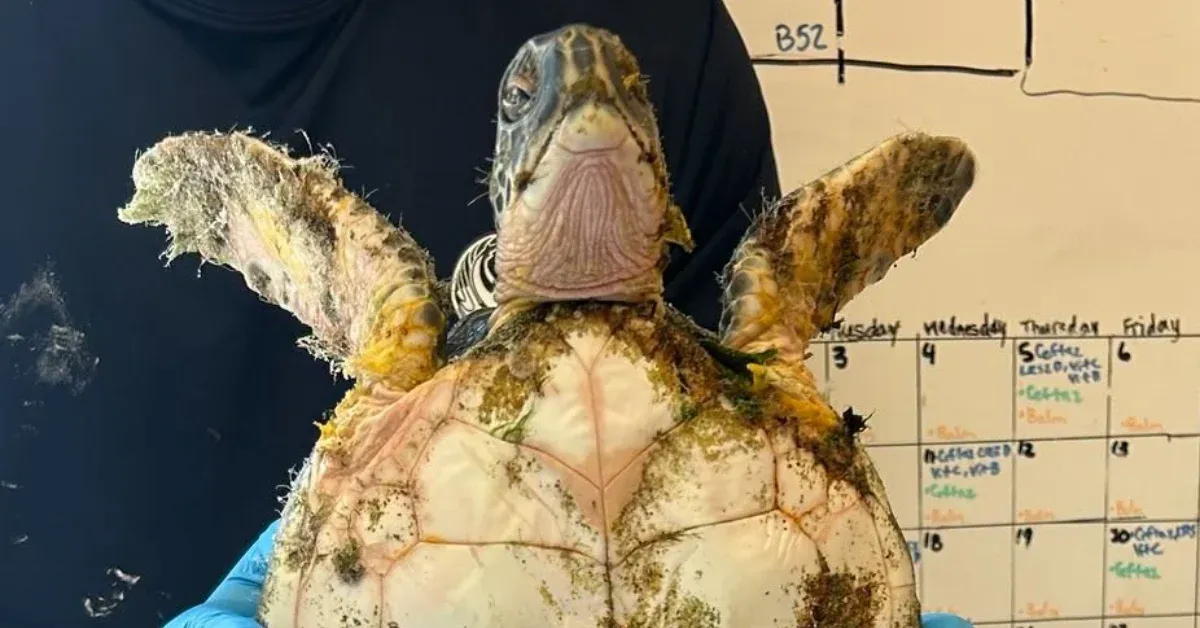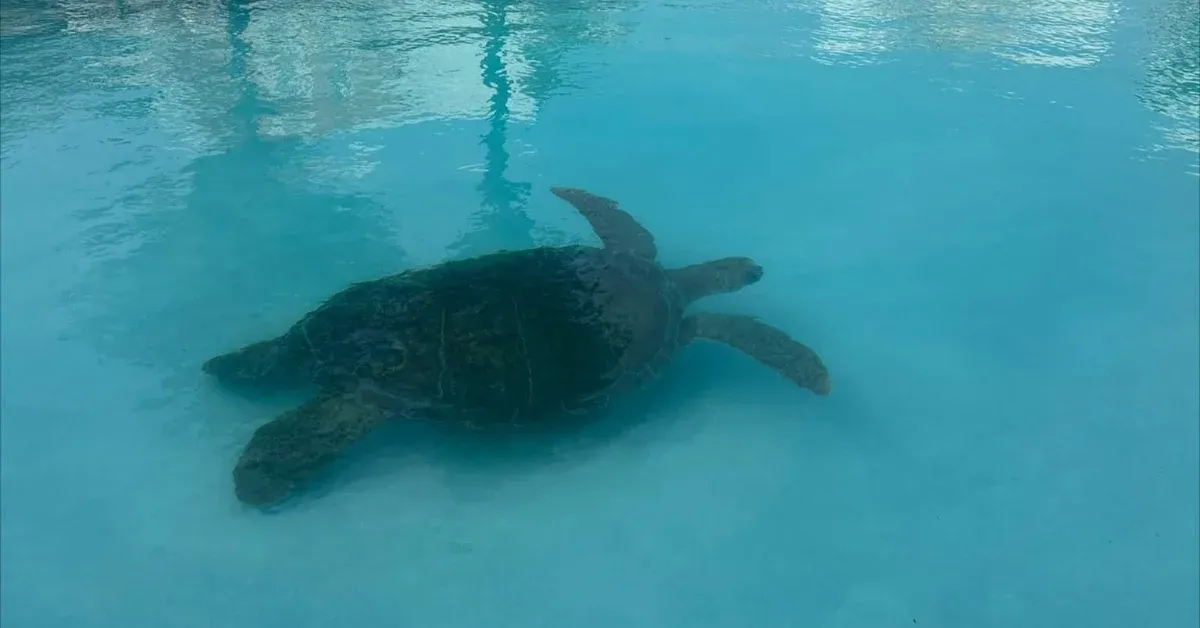
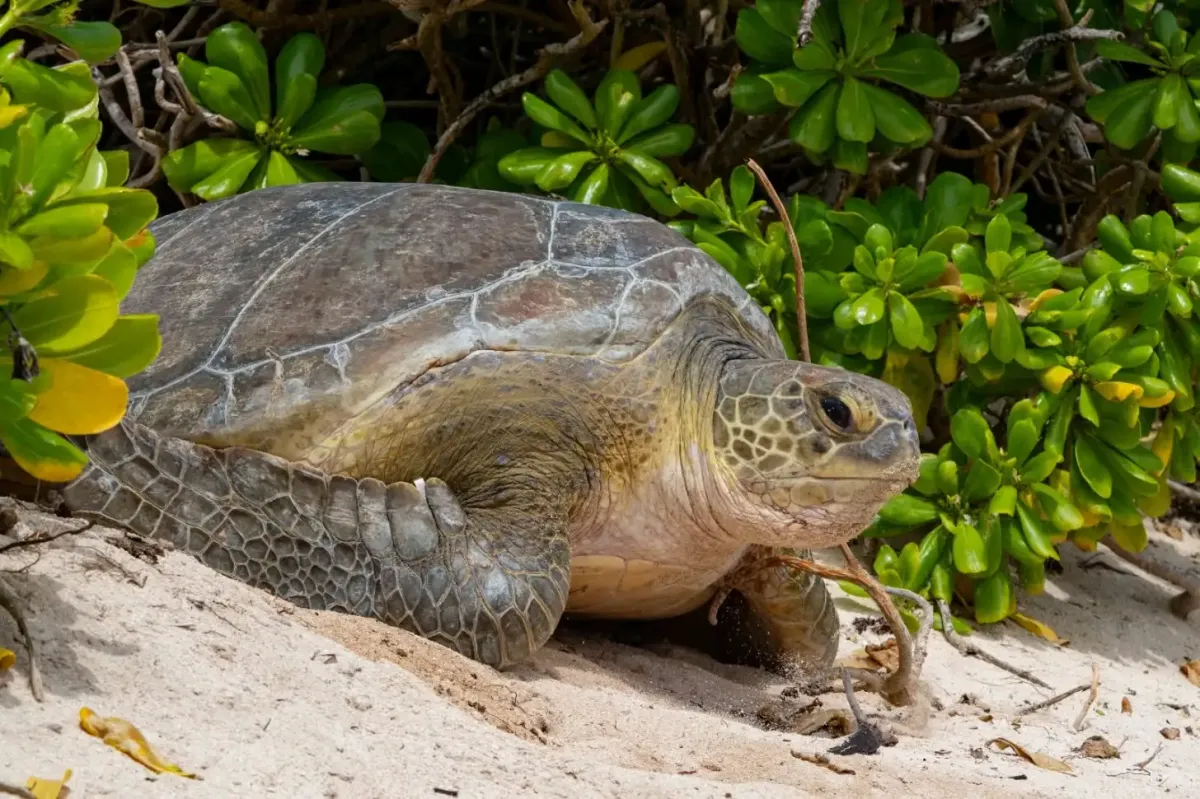
Last week, volunteers in the Cayman Islands found a large green sea turtle stuck in a swimming pool. The Department of Environment (DoE) shared that the 400-pound turtle was at a pool in Rum Point. This area is known for its resorts and watersports.
The DoE's "Turtle Team" and conservation officials worked together to lift the heavy turtle out.
"Getting a 400-pound turtle safely out of a swimming pool is no small feat," the DoE said. The team checked and tagged the turtle. Then, they released her back into the sea. Luckily, the turtle was healthy.
We're a new kind of news feed.
Regular news is designed to drain you. We're a non-profit built to restore you. Every story we publish is scored for impact, progress, and hope.
Start Your News DetoxWhy Turtles Get Trapped
This kind of rescue is not rare during nesting season. Female turtles come ashore at night to lay eggs. Artificial lights on the beach can confuse them. Removing natural coastal plants also disorients them. This causes them to crawl into developed areas instead of returning to the ocean.
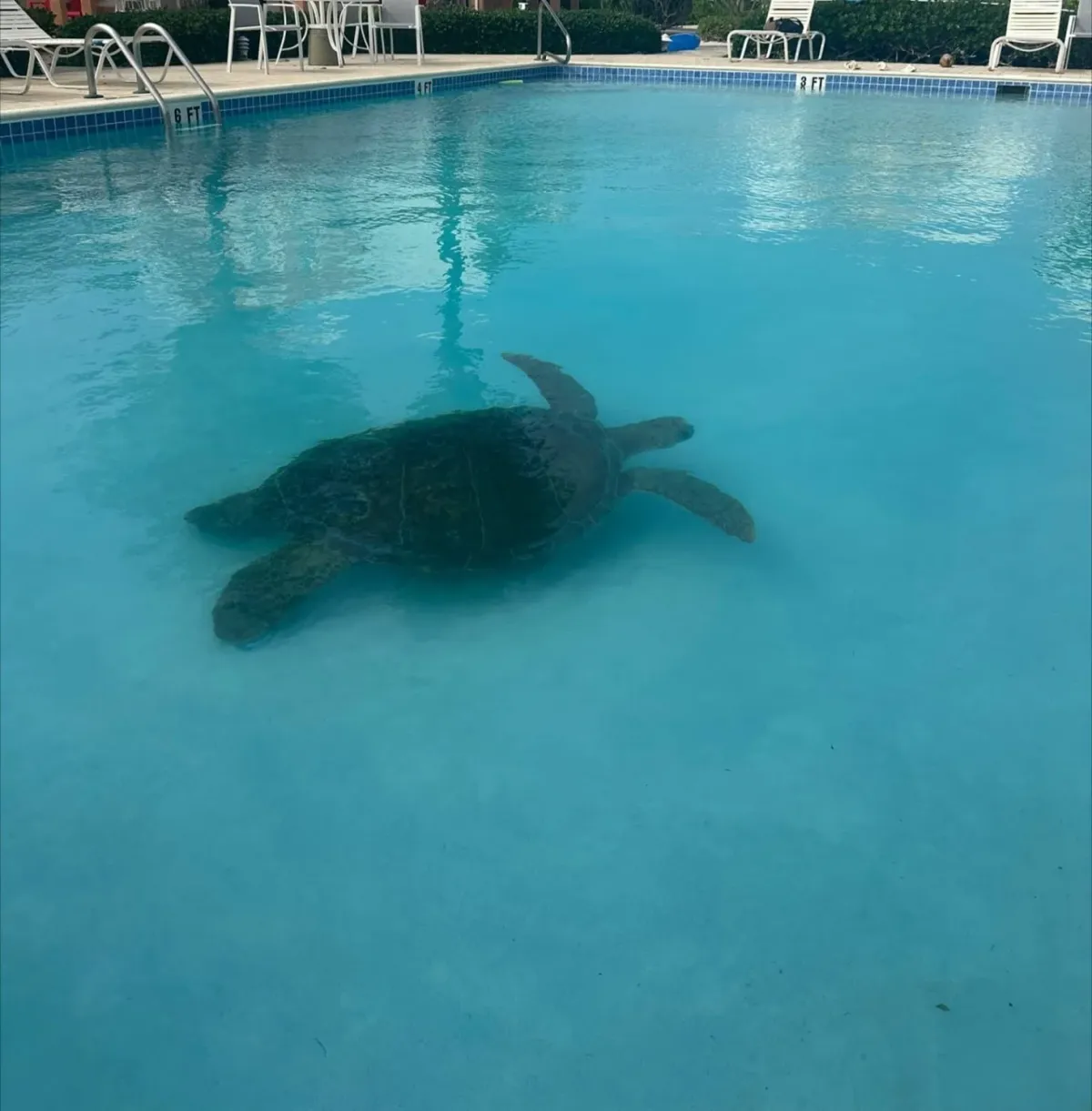
If a turtle reaches a ground-level swimming pool, it can fall in and get stuck. Rescuers believe this is what happened to the rescued turtle.
Artificial light also harms baby sea turtles. Hatchlings instinctively move toward the lowest and brightest horizon. This is usually the ocean reflecting moonlight and starlight. Lights from buildings or flashlights can confuse them. This sends them in the wrong direction.
How to Help Sea Turtles
The DoE shared ways beachfront properties can protect nesting turtles:
- Keep and restore native coastal plants.
- Lessen artificial light visible from the beach.
- Move beach furniture and small boats off the active beach at night.
- Build new elevated pools or put up strong barriers around ground-level pools.
- Never leave ground-level pools empty or unfenced during nesting season.
Beachgoers and tourists can also help. They should keep beaches flat and easy for turtles to navigate. They should also reduce their own artificial light sources.
"This turtle is safely back at sea," the DoE stated. "Practical beachfront management can help keep more nesting turtles out of danger."