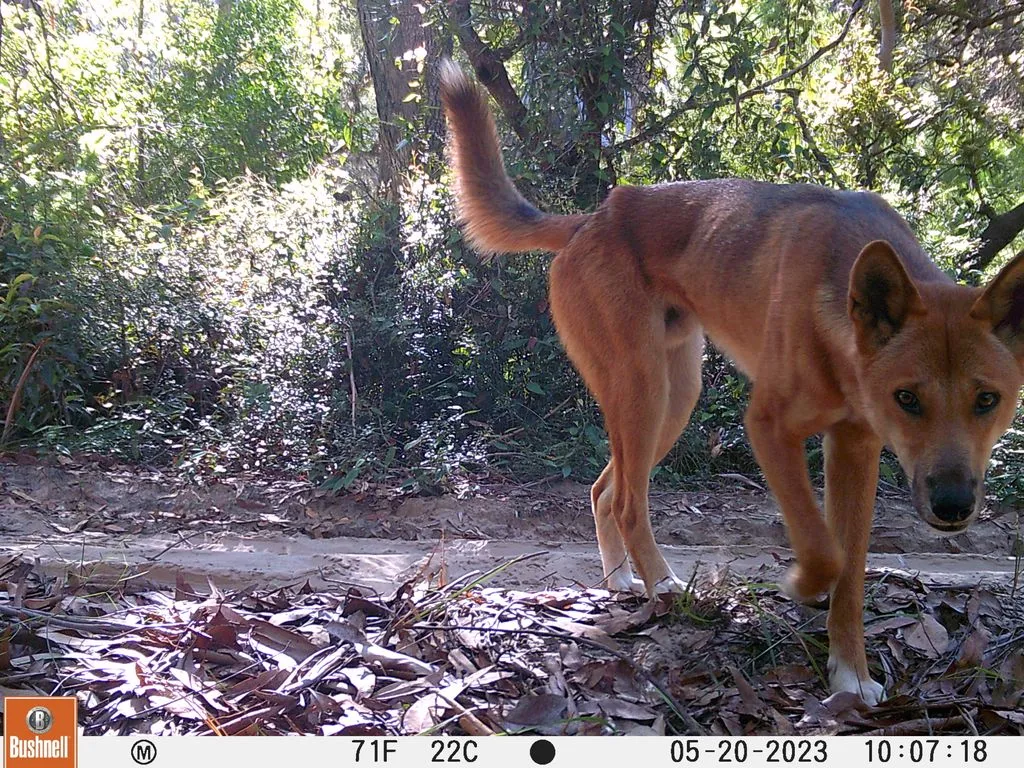
Australia, a continent practically overflowing with unique wildlife and things that can kill you, is getting a serious upgrade in how it keeps tabs on its furry, scaly, and feathery residents. Meet the Wildlife Observatory of Australia (WildObs), a new national platform that's essentially a super-powered digital eye for conservationists.
Imagine millions of camera trap images — tiny glimpses into the secret lives of kangaroos, koalas, and kookaburras — all needing to be sorted. Traditionally, this is a job for an army of very patient humans, a process that’s about as speedy as a sleepy sloth on a Sunday. WildObs, however, is unleashing AI and computer vision to chew through this data at warp speed.
Giving Conservation a Turbo Boost
Developed by researchers at the University of Queensland (UQ), with some hefty backing from the Australian Research Data Commons and others, WildObs isn't just about counting kangaroos. It's about creating a centralized hub where scientists, government agencies, and environmental groups can all pool their camera trap data. Because apparently, sharing is caring, especially when it comes to saving species.
We're a new kind of news feed.
Regular news is designed to drain you. We're a non-profit built to restore you. Every story we publish is scored for impact, progress, and hope.
Start Your News DetoxCamera traps are brilliant — silent sentinels that capture candid shots of wildlife without disturbing them. They’re everywhere across Australia, generating a seemingly endless stream of photos. The problem, as Matthew Luskin, director of WildObs, points out, is that identifying what’s what in those millions of images is slow and expensive. And in conservation, as he dryly notes, "timing matters."
Which, if you think about it, is an understatement. Catching an invasive species before it decimates a local population, or spotting a decline in a threatened species before it's too late, can literally mean the difference between recovery and extinction. No pressure, though.
Users upload their treasure trove of images to WildObs, where the cloud-based platform's AI models, specifically trained on Australian species, get to work. They identify animals, track biodiversity trends, flag potential invasive species, and pinpoint exactly where conservation efforts are needed most. It’s like having a wildlife detective agency that never sleeps, doesn't need coffee, and is really, really good at facial recognition — for wallabies.