Farmers can play a key role in cleaning up one of the UK's most polluted river systems. A new study shows they could also save money in the process.
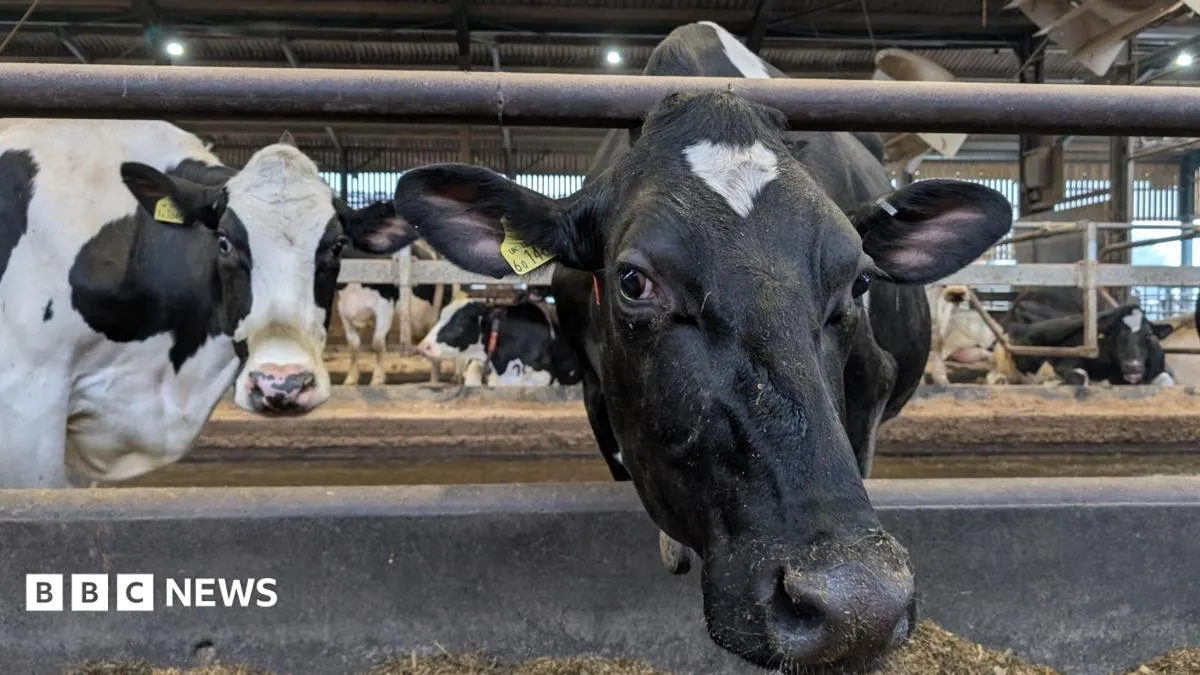
The eastern and western Cleddau rivers in Pembrokeshire flow through farmland. This area produces about 25% of Wales' milk.
Researchers from Lancaster University found that farms in the area were buying too much fertilizer and animal feed. This caused phosphorus to build up in the soil and pollute waterways.
We're a new kind of news feed.
Regular news is designed to drain you. We're a non-profit built to restore you. Every story we publish is scored for impact, progress, and hope.
Start Your News DetoxNow, hundreds of dairy farms are working to understand their "nutrient footprint." This is part of a project to tackle the problem. It's thought to be one of the largest of its kind globally.
The Problem with Phosphorus
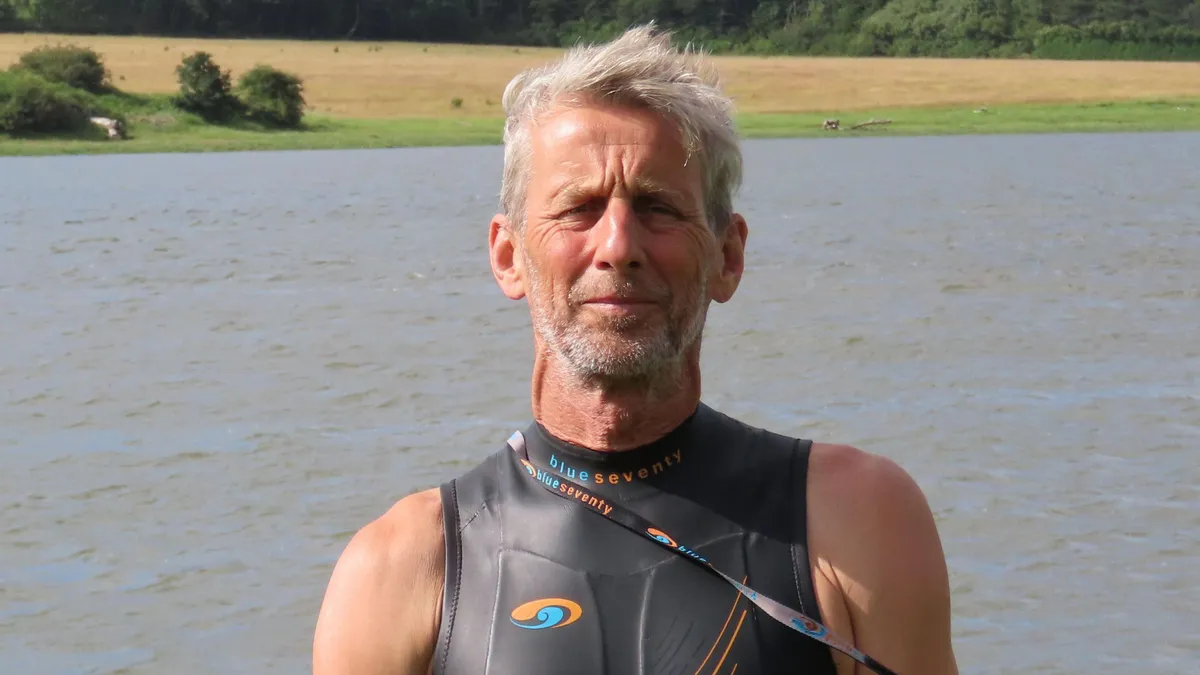
Ric Cooper from The Cleddau Project said the Cleddau is an "extreme case." His group of volunteers works to restore the rivers, which are special conservation areas. He noted that the area has one of the highest densities of dairy cows in the country. This makes it a successful industry, but the river is struggling.
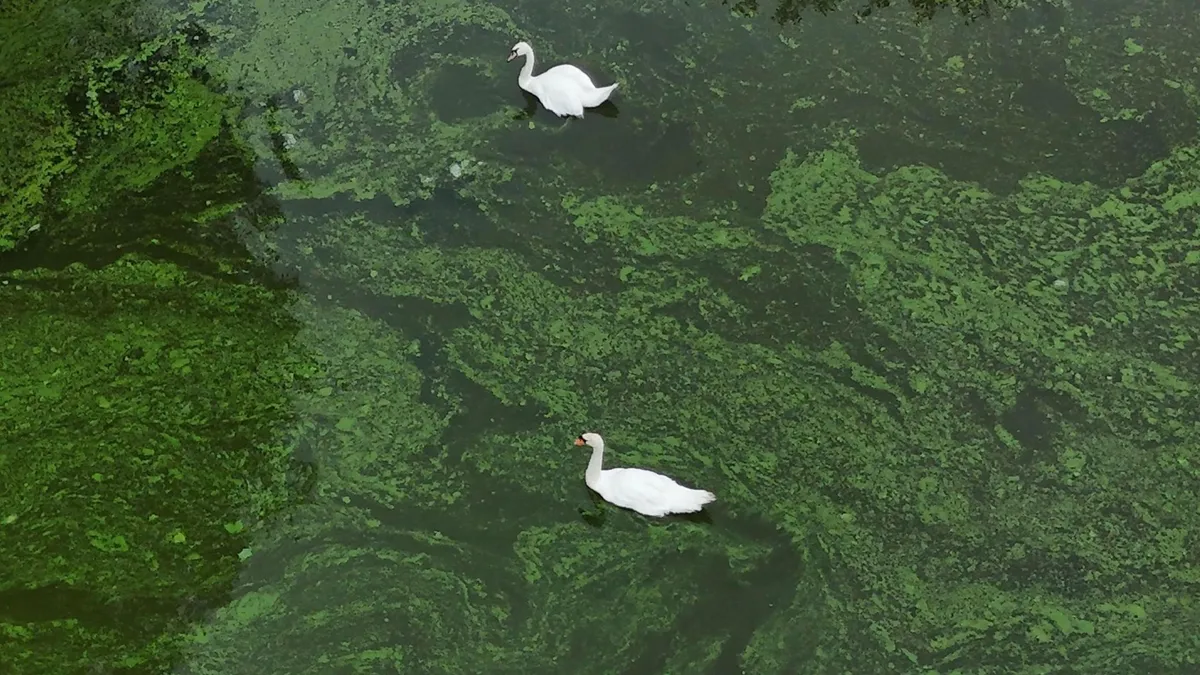
Natural Resources Wales (NRW) has called the Cleddau rivers Wales' poorest performing protected waterways. They have high nutrient levels, which can cause algae to grow. This algae takes oxygen from fish and other aquatic life.
The situation is so serious that it has led to limits on house building. Campaigners have warned of an "ecological disaster."
Phosphorus, found in fertilizer and livestock feed, is a major concern. While sewage and industrial runoff also play a part, new research points to agriculture as the main cause of phosphorus pollution in the Cleddau rivers.
Lancaster University's RePhoKUs team studied all the phosphorus coming into the area and how much left in products like milk. They found that much more phosphorus was entering the area than was being removed through food production.
Local farms created a combined annual surplus of about 360 tonnes of phosphorus. This is like 26 double-decker buses' worth. This phosphorus stays in the land and can pollute waterways for decades.
A Solution for Farmers and Rivers
Professor Paul Withers, who led the research, found that farms don't need to buy so much artificial fertilizer. There is enough phosphorus in animal manures across the county to meet crop needs.
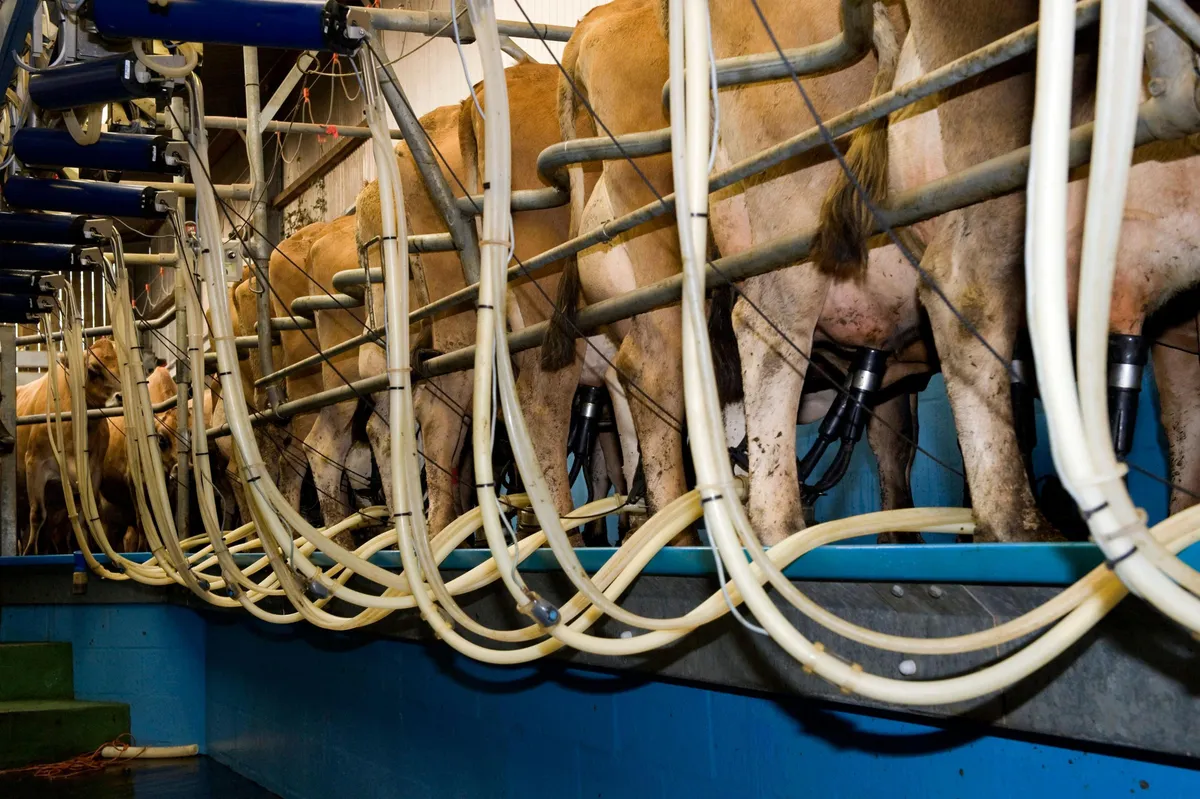
This means farms could significantly cut down on expensive fertilizer. They could do this by spreading their cows' slurry and manure more effectively. This could save Pembrokeshire farmers an estimated £1.08 million each year.
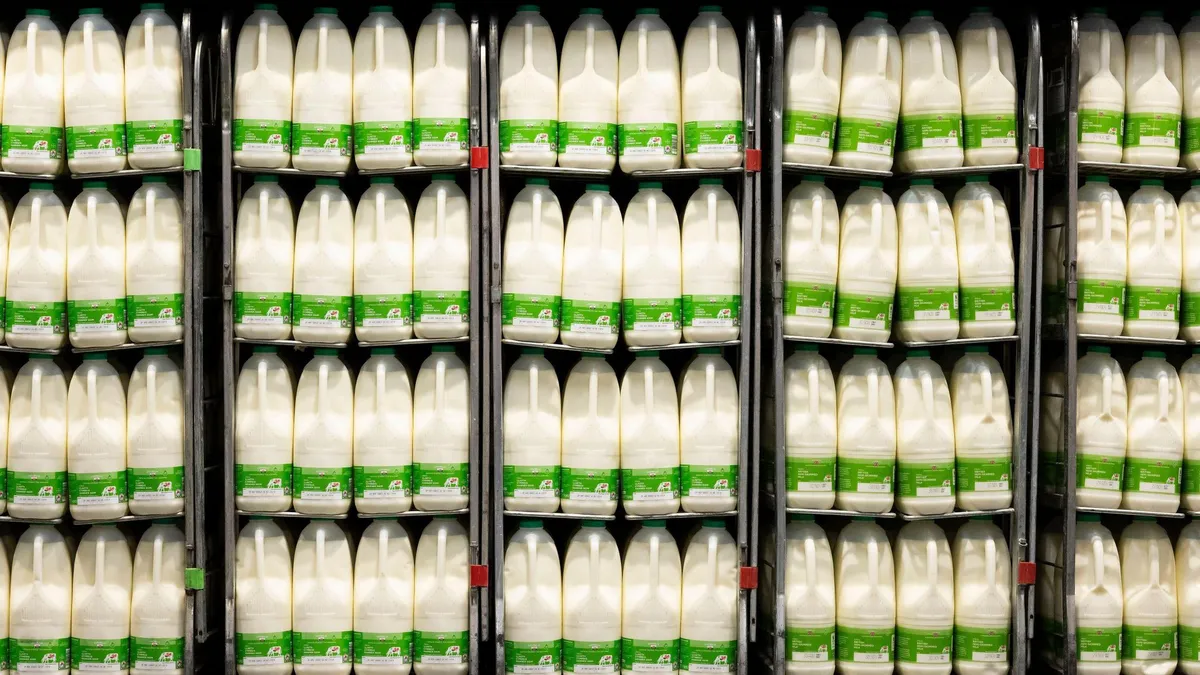
Dairy co-operative First Milk is working to fix this. They have a cheese plant in Haverfordwest and are helping all 700 of their farmers across the UK, including 200 in west Wales.
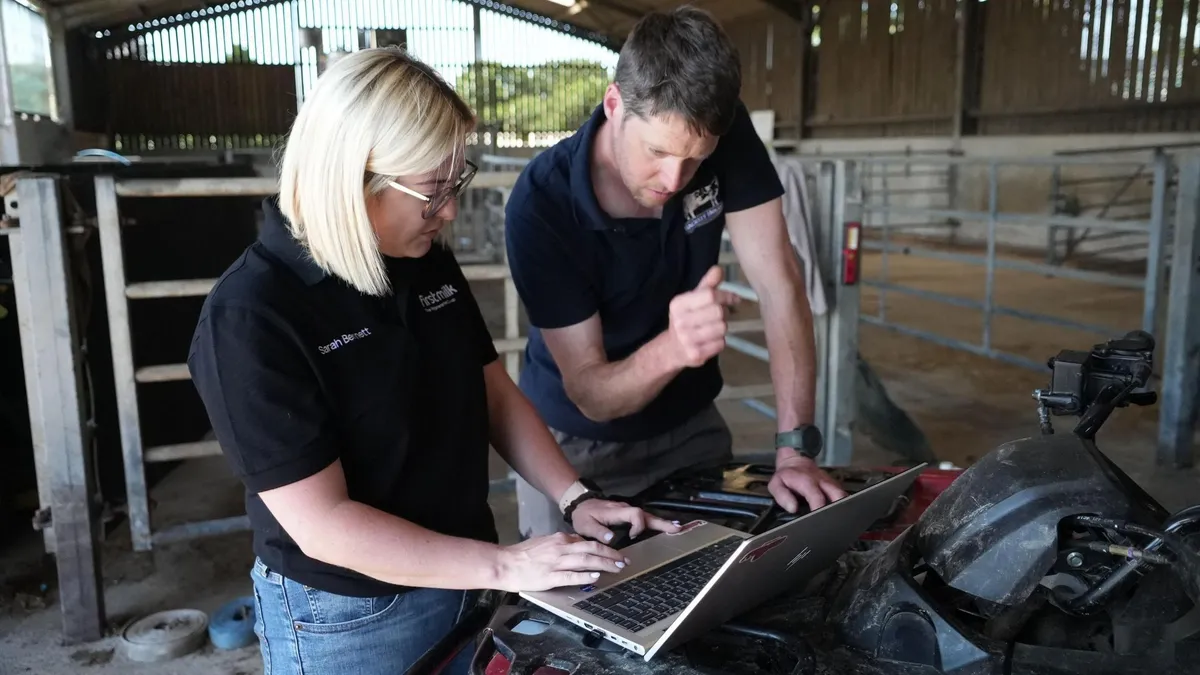
The group has calculated each farm's nutrient footprint. They are closely examining the use of bought-in feed and fertilizer. This data is combined with new maps made from satellite images. These maps show the risk of river pollution for each field.
Farmers will need to adjust where they spread fertilizer and slurry. They will also introduce other ways to improve soil health and protect rivers. They will report their progress every year.
Sarah Bennett, an area manager, said the goal is to protect watercourses and reduce runoff. It also aims to prevent too many nutrients from coming onto the farm. Lee Truelove, First Milk's director of regenerative farming, called it a "missing metric for responsible farming."

Dairy farmer Tom Jones from Kilgetty is taking part. He wants to ensure "the best environment" for his 250 cows and "everyone else around." He said they want whatever they buy for the farm to stay on the farm, not leave in the watercourses. He wants to show they are trying their best.
Farms are under pressure to act on nutrient pollution. Several major supermarkets have signed the UK Food and Drink Pact. This agreement pledges to source 50% of fresh food from areas with sustainable water management by 2030.
Truelove explained that for 20 years, the focus has been on the carbon cycle. Now, the carbon footprint is a key business indicator. He added that farming also has a huge nutrient cycle. When it's out of balance, watercourses suffer.
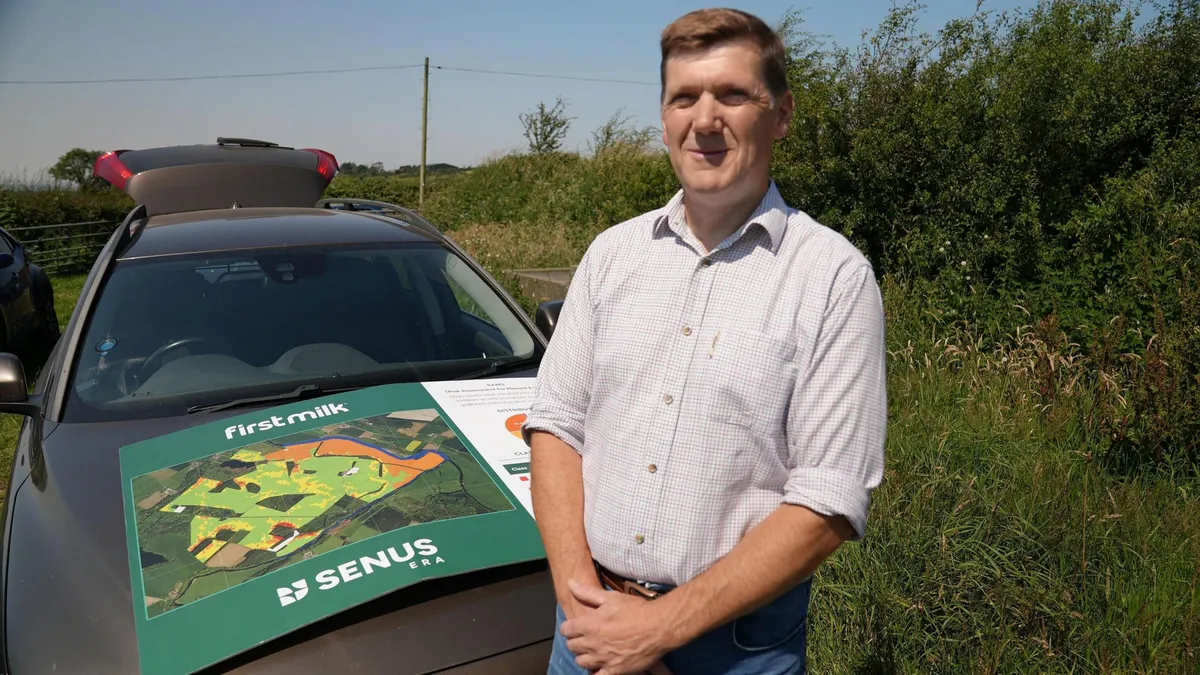
Ric Cooper doesn't know of any other project worldwide where 700 farms have had their nutrient footprint assessed. He said they are discussing with every farmer what they can do.
The Cleddau study's findings are being presented at the Royal Welsh Agricultural Show. Those involved are meeting with Senedd members and MPs.
Cooper noted that this issue is bigger than just the Cleddau. Many areas with intensive livestock farming in the UK have a nutrient imbalance. If nothing is done, rivers will not recover.
Henry Tufnell, MP for Mid and South Pembrokeshire, sees a "real opportunity" to help farmers reduce costs and protect the environment. He called it a "win-win."

The Welsh government welcomed the report. A spokesperson said improving the Cleddau's health needs action from all sectors. They added that the government-backed Cleddau nutrient management plan is already helping. It improves understanding of phosphorus and nitrogen pressures. It also identifies key actions and supports the long-term recovery of these important rivers.