On a sunny Delhi rooftop, children are swapping textbooks for trowels. They're not just reading about photosynthesis; they're getting their hands dirty, watching tiny sprouts become something edible. Turns out, a little dirt can teach a lot more than a lot of data.
This whole unexpected revolution started, as so many things do, with a mom trying to get her kid to eat his veggies. Pragati Chaswal’s small kitchen garden for her son soon blossomed into something far bigger.
From Sprouts to Smarts
Pragati noticed something profound: taking care of plants transformed her son. He wasn't just connecting with the soil; he was connecting with the idea that living things, including himself, needed consistent care. This wasn't in any textbook, and it certainly wasn't on any standardized test.
We're a new kind of news feed.
Regular news is designed to drain you. We're a non-profit built to restore you. Every story we publish is scored for impact, progress, and hope.
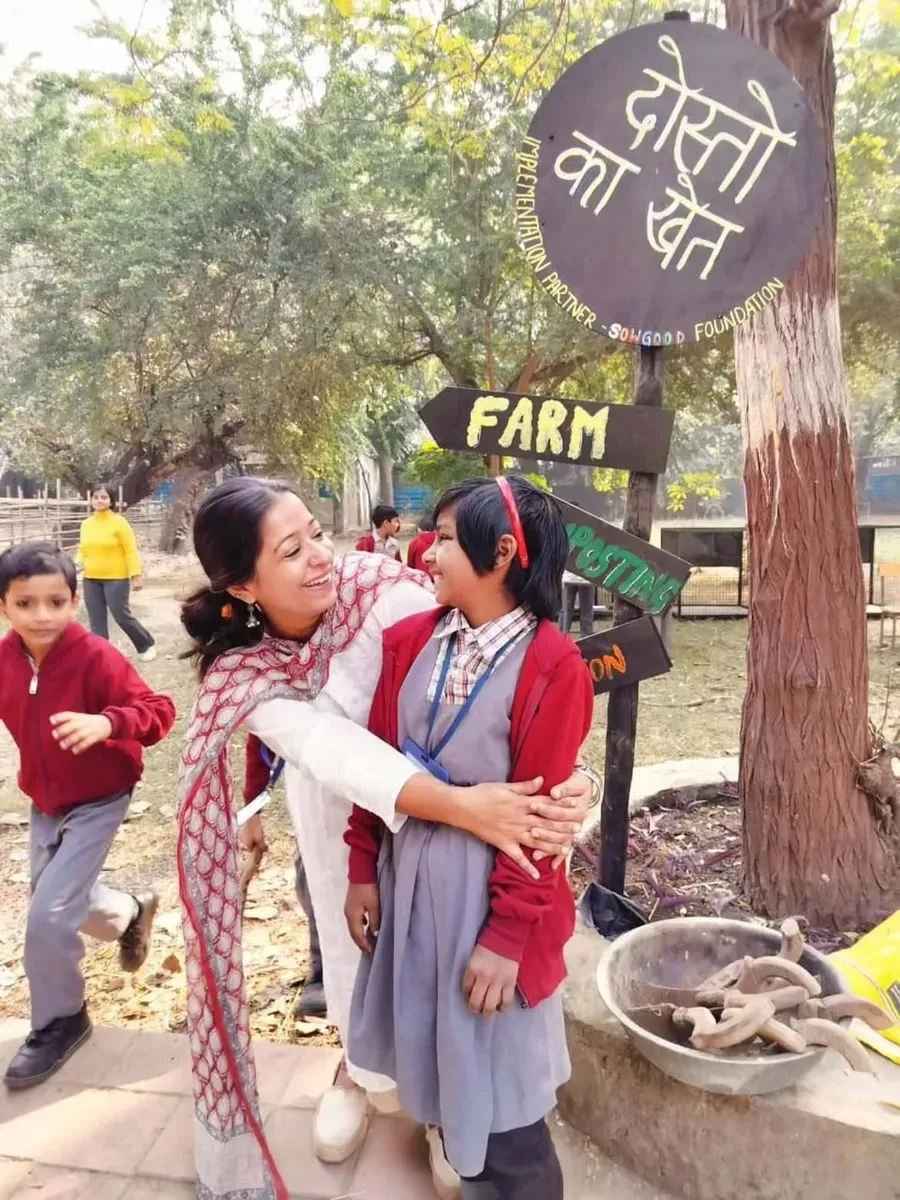
Start Your News DetoxThis lightbulb moment led her to launch the 'SowGood Foundation.' She then cooked up a three-year curriculum focused on urban farming, because apparently, that's where we are now. The result? A staggering 78,000 children across 28 schools are now learning everything from math to responsibility by growing their own food.
These kids aren't just memorizing definitions of composting or climate change. They're doing it. They're growing food, making compost, and practicing sustainability daily. Pragati's theory? Experiencing nature is the purest, and frankly, most entertaining, form of learning.
And the best part? You don't need acres of land. Pragati insists every unused space — rooftops, corridors, classroom windows, even recycled bottles — can become a garden. Because apparently, where there's a will (and a little sunlight), there's a way to grow a lesson.
The Green Thumb Confidence Boost
To keep those young minds engaged, they focus on speedy growers like microgreens, methi, and spinach. Harvesting fresh produce, taking it home to cook, and then sharing their culinary adventures in class? That's a serious confidence booster. Imagine telling your friends you made dinner, and it actually grew in your classroom.
The gardens transform into living, breathing classrooms. Science lessons come alive as they track plant growth, math gets practical as they measure plots, and language arts bloom as they write observations. Every lesson stops being abstract and starts being delicious.
As these mini-farmers water, compost, and nurture their plots, they're not just growing vegetables; they’re growing decision-making skills and problem-solving muscles. Pragati puts it simply: when children feel the farm is theirs, they take ownership. And if that's not a recipe for a better future, what is?