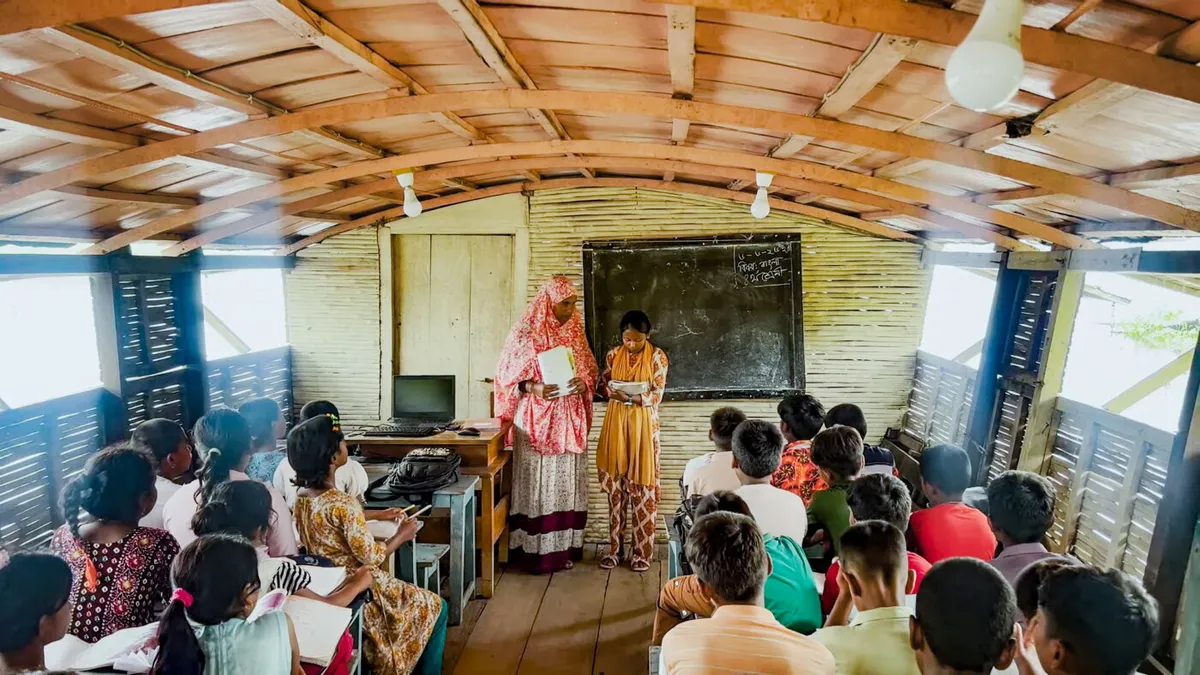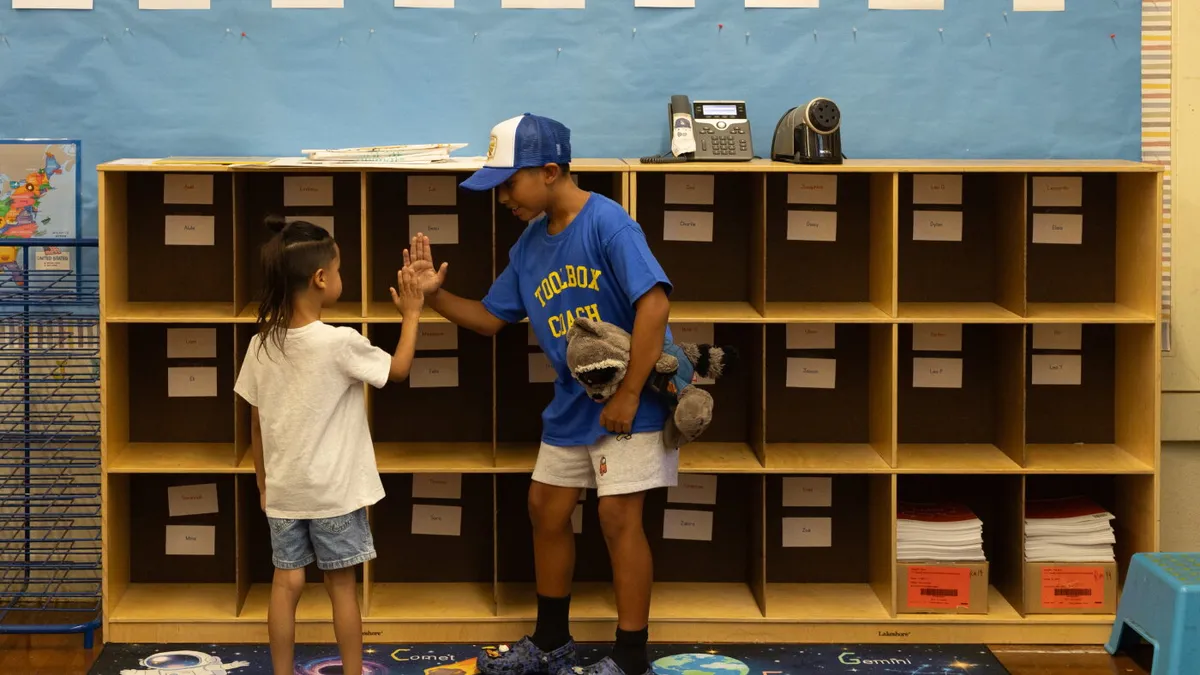

The first day of kindergarten is a milestone. It's when your little human, who just yesterday was likely eating crayons, officially embarks on their educational journey. But have you ever stopped to wonder why it's called "kindergarten"? And why it's the only grade without a number? Because apparently, we're not just going to call it "Grade Zero."
Turns out, the answer is delightfully German and involves a man who really liked metaphors about plants.
The Original Children's Garden
The name "kindergarten" is, perhaps unsurprisingly, German. "Kinder" means child, and "garten" means garden. So, yes, it literally translates to "children's garden." Which, if you think about it, is both charming and a little bit like a very specific horror movie title.
We're a new kind of news feed.
Regular news is designed to drain you. We're a non-profit built to restore you. Every story we publish is scored for impact, progress, and hope.
Start Your News DetoxThe concept was cooked up in 1840 by an educator named Friedrich Froebel. He envisioned a place where young minds could grow, much like delicate seedlings in a well-tended plot. Before Froebel came along, kids typically didn't start formal schooling until the ripe old age of seven. The general consensus was that anyone younger simply couldn't handle the rigors of, well, anything resembling a lesson.
Froebel, however, had other ideas. He believed that young children needed a different kind of environment — one that nurtured rather than drilled. He saw children as unique, beautiful flowers, each needing specific care to blossom, and even more glorious when placed together. Yes, he really leaned into the floral theme.
His original curriculum was less about rote memorization and more about guided play. Think less flashcards, more frolicking in a field. He encouraged outdoor exploration, introduced basic science and geometry through nature patterns, and generally let kids "flourish freely." The goal? To foster "free self-expression, creativity, social participation, and motor expression." Pretty heady stuff for the under-six crowd, but foundational for, you know, not being completely lost in first grade.
Today's kindergarten might involve fewer dandelions and more digital whiteboards, with a curriculum focused on shapes, time, the alphabet, and the beginnings of reading and writing. But at its heart, the goal remains the same: to build a creative, foundational launchpad for the academic adventure ahead. Because even if they're not literally planting seeds anymore, they're still growing something pretty important.