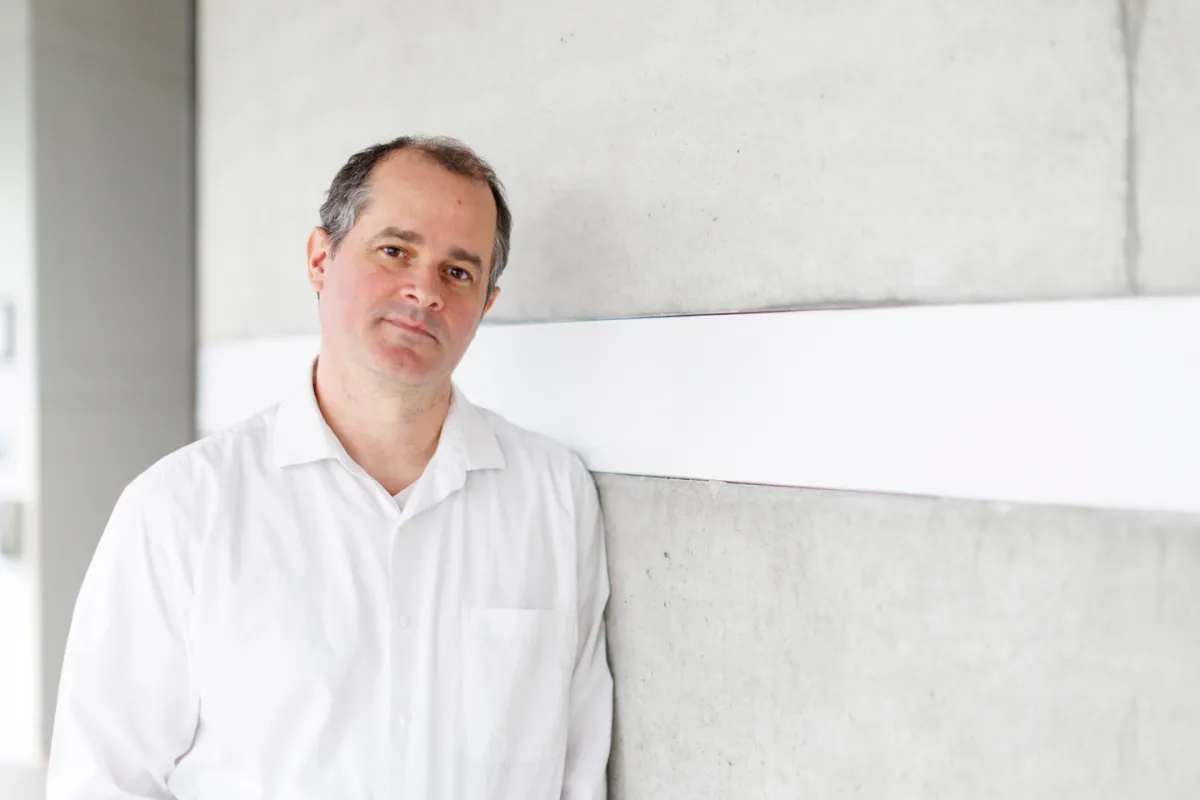
Harvard, a place where traditions often outlast empires, has just tapped a political scientist to shake up how it teaches. Dustin Tingley, a man who clearly isn't afraid of a challenge, has been officially named Harvard's vice provost for advances in learning. His mission? To drag centuries-old pedagogy into the glorious, confusing future.
University Provost John F. Manning announced the appointment, highlighting Tingley's knack for blending old-school education with the wild west of online learning. Apparently, he also understands that technology isn't just for ordering takeout; it can actually make smart people even smarter. Who knew?
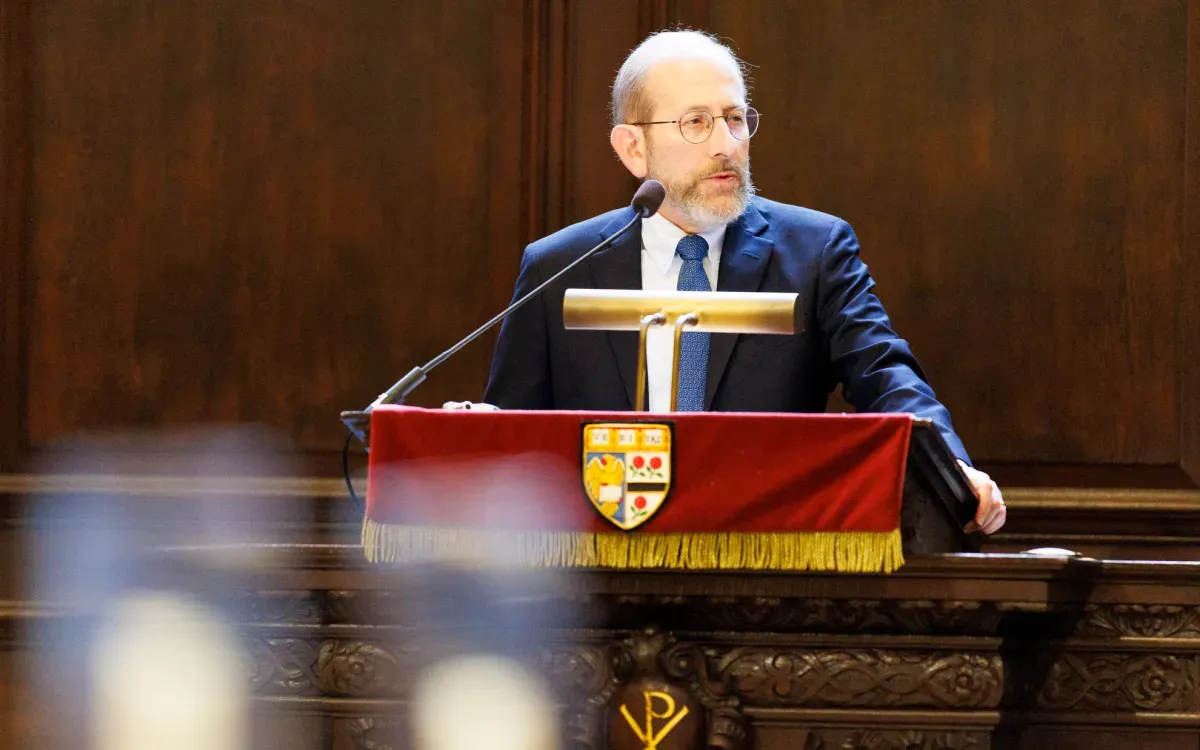
In his new role, Tingley will be the maestro of all things teaching and digital education. He'll also be exploring how tech can boost lifelong learning and research, not just within Harvard's hallowed halls but across the entire globe. Because, let's face it, the internet exists now, and it's probably here to stay.
We're a new kind of news feed.
Regular news is designed to drain you. We're a non-profit built to restore you. Every story we publish is scored for impact, progress, and hope.
Start Your News DetoxFrom Interim to Innovation Leader
Tingley isn't exactly new to the gig; he's been the interim vice provost since August 2025 (which, if you're doing the math, means he's been at it for a while). Before that, he was the deputy. For over a decade, he's been the guy behind the curtain, helping craft programs that actually make learning at Harvard, well, learnable. He also directed the Data Science and Technology Group and the Harvard Initiative for Learning and Teaching, because apparently, one job wasn't enough.
Tingley, ever the diplomat, expressed his honor in continuing to work with everyone to create "strong and engaging learning opportunities." He believes institutions like Harvard have a "vital mission to benefit society through learning." Which, if you think about it, is a pretty good mission statement for a university.
His research spans everything from international relations and the economics of energy to data science, machine learning, and digital education. His recent projects include figuring out how communities feel about new energy tech, predicting if students will actually finish online courses (a true hero's quest), and using machine learning in social sciences. Because if a robot can teach us to fold laundry, it can probably help us understand human behavior.
When he's not busy revolutionizing education, Tingley teaches climate politics, energy, and international relations at the Government Department and the Harvard Kennedy School. He even dabbled in the energy business at Harvard Business School, because why not add another feather to that already overflowing cap?
He also co-founded ABLConnect, an online resource for active learning, back in 2012. Think of it as Pinterest, but for professors who want to make their lectures less like a snooze-fest. So, if you suddenly find your Harvard lectures becoming surprisingly interesting, you know who to blame. Or thank. Probably thank.