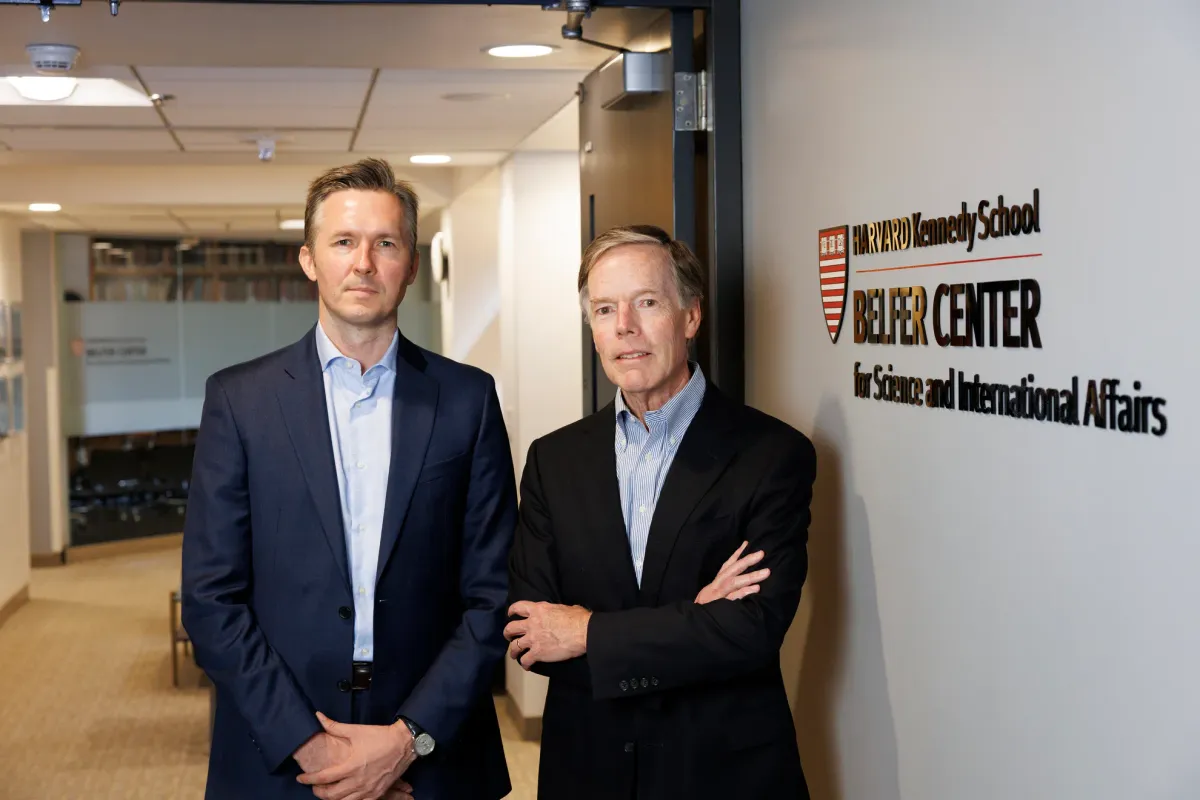
Turns out, being the world's superpower requires a few actual super-negotiators on the payroll. And according to Ambassador Nicholas Burns, a Harvard Kennedy School professor, America’s diplomatic bench is looking a little… bare.
Between conflicts in Ukraine, the Middle East, and a perpetually complicated relationship with China, you'd think the State Department would be expanding. Instead, staff is down 20%. A third of U.S. ambassador positions are just sitting there, empty, like a really awkward dinner party chair. And the career diplomats — the folks who actually know what they're doing — have plummeted from 70% of the force to a "catastrophically low" 17%.
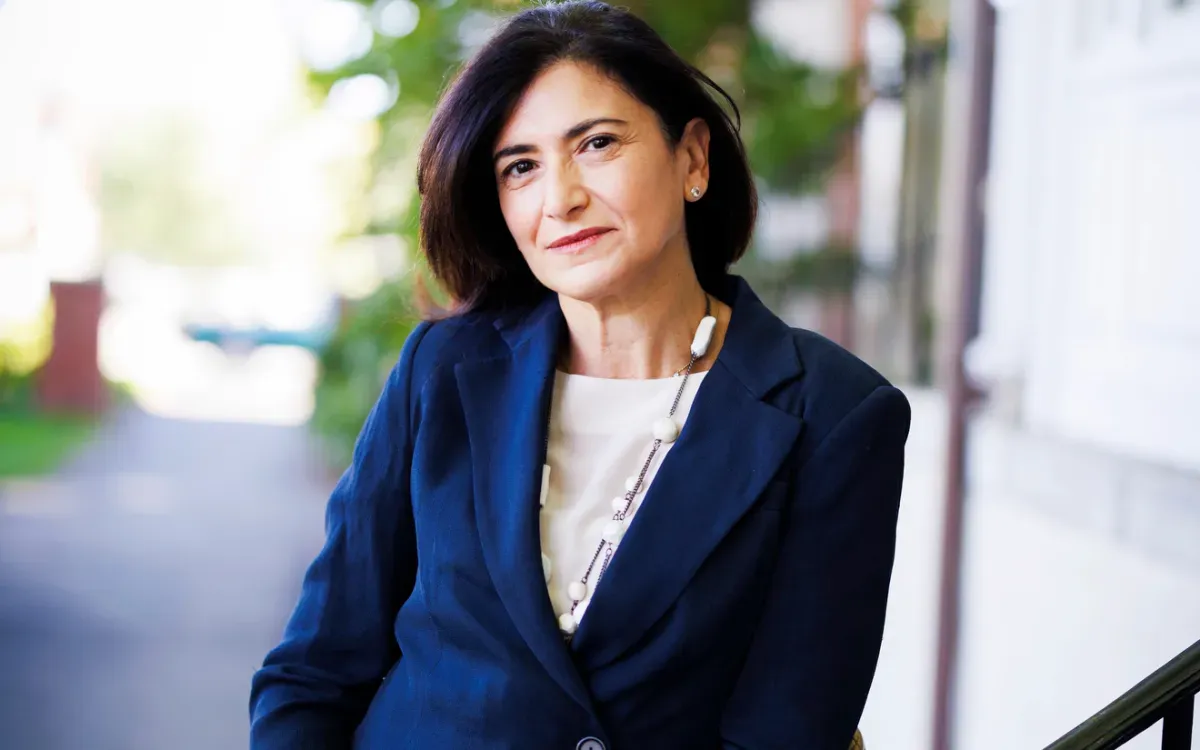
Ambassador Burns, who’s been the U.S. ambassador to China, didn't mince words. He also pointed to the "destruction of USAID" in 2025, which, if you’re keeping score, isn't exactly helping the situation.
We're a new kind of news feed.
Regular news is designed to drain you. We're a non-profit built to restore you. Every story we publish is scored for impact, progress, and hope.
Start Your News DetoxThe New Diplomatic Playbook
So, Harvard is stepping in. Burns is launching the Program on Diplomacy and Statecraft at the Belfer Center. It's a nonpartisan effort, which means everyone can agree that having actual diplomats is probably a good thing. The goal? Tackle the big global issues, study the art of negotiation, and, crucially, train the next generation of diplomatic muscle.
Because while some diplomats are sipping tea in pleasant capitals, others are quite literally on the front lines of global chaos. It’s not all canapés and handshakes.
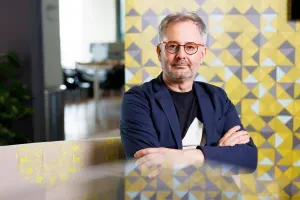
The program’s main event will be the U.S.-China relationship, which Burns calls the biggest foreign policy challenge for the next two decades. They’ll also be covering the Indo-Pacific and, you know, the rest of the planet. Part of the deal is the American Secretaries of State Project, where they interview former Secretaries of State about their high-stakes negotiations. Mike Pompeo already sat down, and Anthony Blinken is on the guest list.
Julian Simcock, the program’s director, notes that universities often focus on military and intelligence studies, but diplomacy? Not so much. Which is odd, considering diplomacy is usually the Plan A before things go sideways.
He puts it simply: "It’s not a refuge from conflict; it’s a way of managing conflict." Because most of the world's messy problems, Simcock argues, will be handled by diplomats, not soldiers. It’s about solving disputes without resorting to force.

Reinventing the Diplomatic Wheel
Burns admits the State Department isn't exactly known for its lightning-fast adaptability. So, one of the program's first big tasks is to completely rethink how U.S. diplomacy is structured. Expect a comprehensive, nonpartisan report with recommendations by early 2028. Because, as Burns puts it, we can't rely on old models. "We’ve got to imagine, reimagine, reinvent the Foreign Service and State Department of the future."
And that future, naturally, involves tech. Diplomats, Burns insists, need to understand the basics of AI and other cutting-edge tech, because that's where many of tomorrow's global challenges will live. The good news? He believes it's the students, not just the seasoned veterans, who will lead this diplomatic revival. Let's hope they're ready to negotiate their way out of a paper bag, and then some.