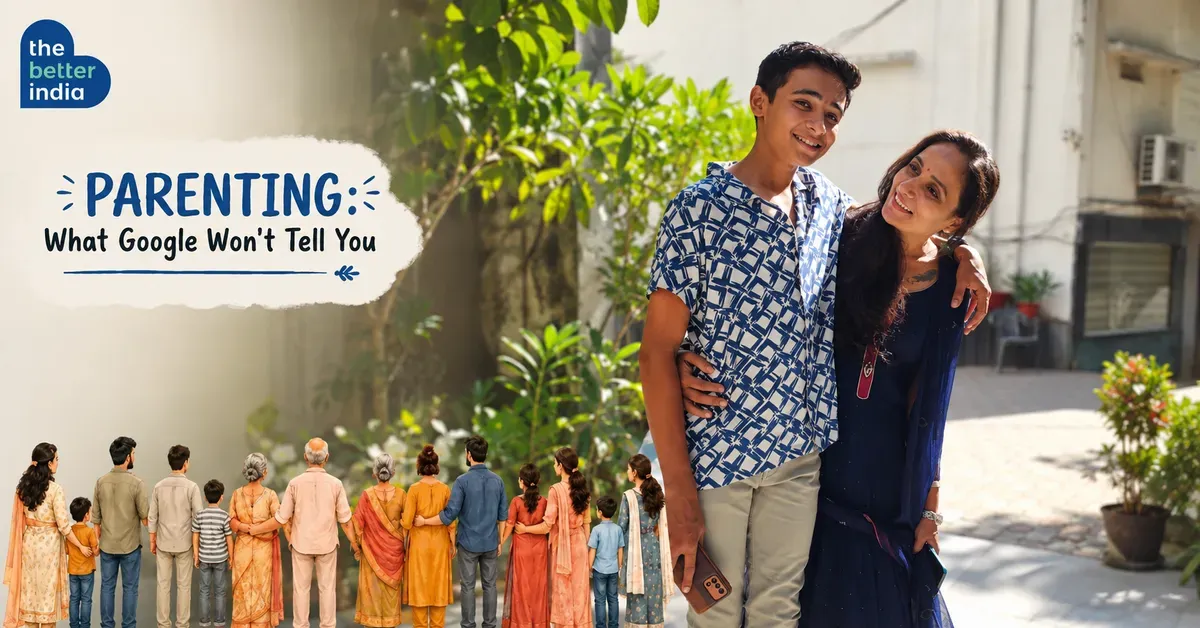
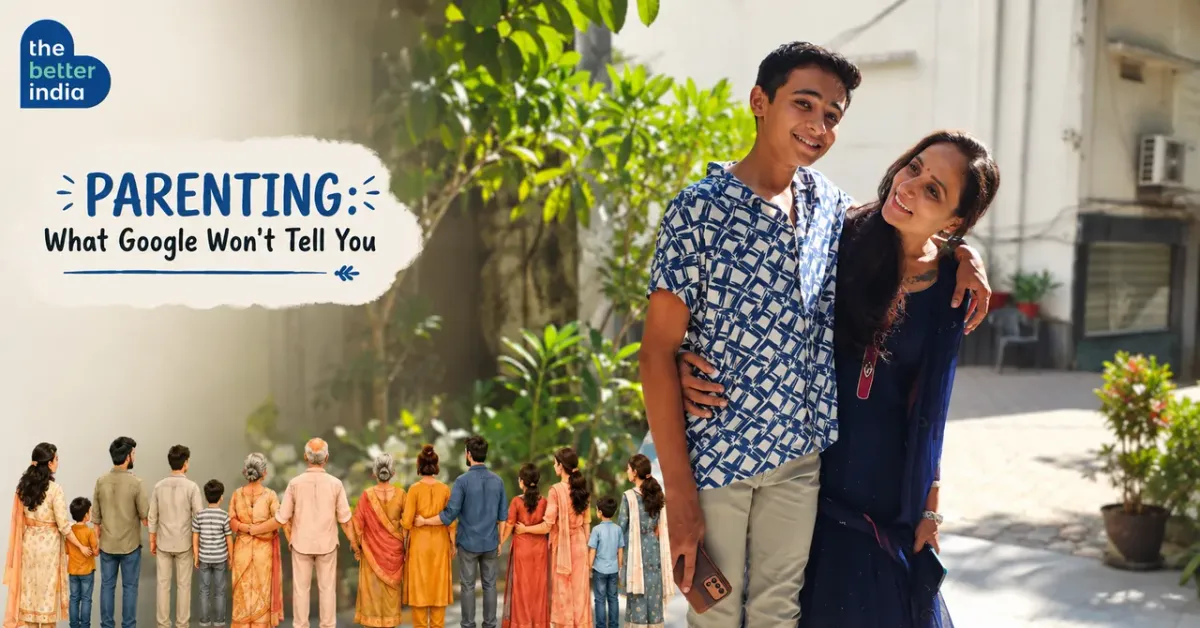
When Komal Baxi's 12-year-old son started declaring family outings "boring" and opted out, she felt that familiar parental pang. Is he pulling away? Is this the beginning of the end? The usual parental panic set in.
Komal, a psychologist from Gujarat with 15 years in the trenches, initially tried to sell him on the joys of forced family fun. Sundays, she reminded him, were for family. But soon, a wry realization dawned.
The Art of Letting Go (and Letting Them Cook)
Working with The Prevention Project on mental health and parenting, Komal understood. Her son wasn't rejecting them. He was simply hitting the "seek independence" button. He wasn't leaving the family behind; he was just making room for new parts of himself.
We're a new kind of news feed.
Regular news is designed to drain you. We're a non-profit built to restore you. Every story we publish is scored for impact, progress, and hope.
Start Your News DetoxSo, when he wanted to ditch Sunday outings, Komal struck a deal: he could stay home, if he cooked his own meal. No takeout. Because apparently, if you want independence, you also get to figure out the stovetop.
Initially, it was a guided culinary tour via phone. "Did you turn off the gas?" became her pre-meal mantra as he tackled oats kheer and Maggi. Slowly, he became self-sufficient. This wasn't just about food; it was a masterclass in independence paired with responsibility.
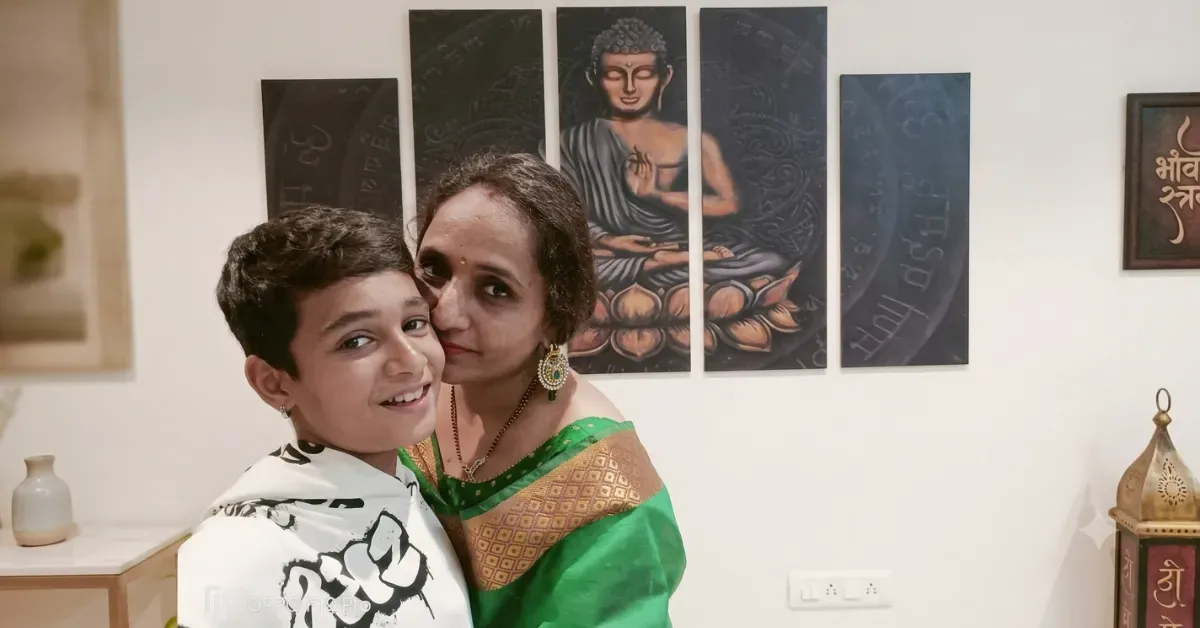
It's a philosophy Komal applies broadly. Her homeschooled son, a budding cricketer, now travels alone to different cities, navigating hotels, food, and transport since age 14. This wasn't a sudden leap, but a gradual handover of the reins — teaching, observing, trusting, and then, crucially, stepping back.
Trusting the Process (and Their Bad Toy Choices)
Learning to back off wasn't easy. Komal confessed she used to track his water intake, a habit that, predictably, frustrated everyone. Her sister delivered the ultimate truth bomb: "He is 11. You have taught him what you needed to teach him. Now trust your parenting."
That hit. Komal stopped micromanaging. Instead of doing everything for him, she started being there when he needed her. Instead of dictating, she'd ask, "What do you think?" or "What do you want to do?"
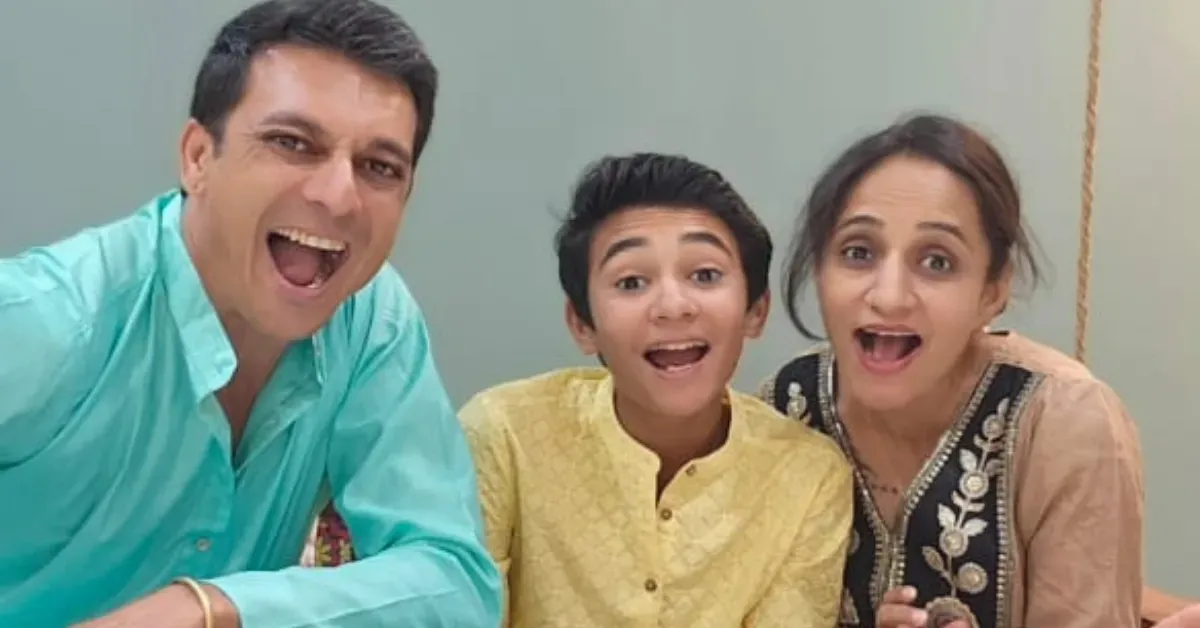
Giving kids freedom also means letting them spectacularly fail. Komal recalls letting her son buy flimsy toys, knowing full well they'd self-destruct. She'd explain the likelihood, and when they inevitably broke, she bit her tongue. No "I told you so." He learned. The hard way, but he learned.
Even emotions get the space treatment. When a cricket match loss stings, there's no immediate fix-it mission. Sometimes, it's just a hug, a forehead kiss, and the quiet understanding that processing feelings takes time.
"Me Time" isn't a family affront; it's a healthy component. Komal believes this space has actually tightened their bonds. Her son still happily dives into their hours-long, laugh-filled Saturday Monopoly games. Because sometimes, giving children space creates more room for connection. Which, if you think about it, is both impressive and slightly terrifying.
From Their World to Their Safe Place
The big takeaway? Independence isn't the enemy of connection. When kids want to venture out or stay put, it's not rejection. It's just growth.
As children spread their wings, parents evolve from being their entire world to becoming the ultimate safe harbor they can always return to. Komal's goal isn't for her son to tell her everything, but for him to know he can tell her anything. It's a delicate dance, knowing when to hold their hand, and when to just… let go.